Ultimate Guide to Successfully Growing Green Peas in Your Home Garden
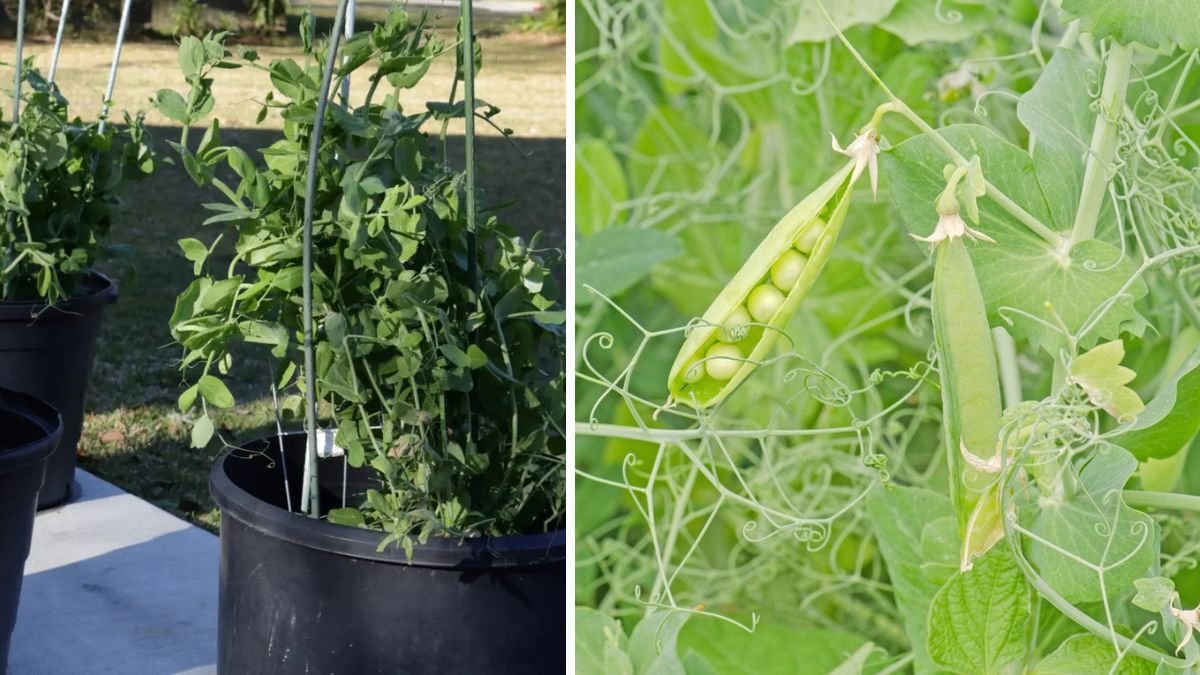
Growing green peas in your home garden is a rewarding endeavor that can yield sweet, crispy pods perfect for a variety of dishes. Not only are they nutrient-dense, offering plenty of fiber, vitamins, and minerals, but they are also relatively easy to grow. This guide will equip you with all the knowledge you need to cultivate your own crop of green peas from seed to harvest.
1. Why Grow Green Peas?
Green peas (Pisum sativum) are a versatile garden staple. They are not only delicious but are also beneficial for the soil. They help fix nitrogen, enriching the ground for subsequent crops. Growing peas can be particularly advantageous because they are one of the first crops you can plant in the spring, making them a great way to kick off your gardening season.
Latest Posts
- A Comprehensive Guide to Successfully Growing Grape Vines in Your Backyard for Beginners and Experts Alike
- Best Tips for Successful Mango Growth in Containers
- Discover the Simple Steps for Successfully Growing Coriander in a Pot
- Discovering the Ultimate Guide to Growing African Violets from Leaf Cuttings
- Simple Techniques for Successfully Growing Seedless Grapes in Home Gardens
- Ultimate Guide to Growing Balsam Plants Naturally for Vibrant Blooms
- Discover the Secrets to Growing Lush Leek Leaves with Simple Hacks for Beginners
- How to Successfully Cultivate Sweet Cherries in the Unique Climate of Canada
- The Ultimate Guide to Successfully Growing Beautiful Succulent Garden Plants at Home
- A Comprehensive Guide to Growing Dhania from Seeds for Beginners
2. Types of Green Peas
Before you start planting, it’s essential to understand the different types of green peas:
- Shelling Peas: These are the peas you normally eat. They are harvested when the pods are plump and the peas inside are fully developed.
- Snap Peas: These peas can be eaten whole, including the pod. They’re harvested when the pods are still tender.
- Snow Peas: Similar to snap peas, snow peas are also edible in their entirety but are eaten while the peas inside are still small.
Each type has its benefits and culinary uses, so you can choose based on your preference.
3. Ideal Growing Conditions
- Soil: Green peas prefer well-drained, loamy soil rich in organic matter. A slightly acidic to neutral pH (6.0 to 7.0) is ideal.
- Sunlight: They thrive in full sun but can tolerate partial shade. Ensure they receive at least 6 hours of direct sun each day.
- Temperature: Peas are cool-season crops. They germinate best in temperatures ranging from 45°F to 75°F. Avoid planting when temperatures are consistently above 75°F, as this can reduce yields.
4. When to Plant
The best time to plant peas is in early spring, about 4-6 weeks before the last expected frost date in your area. You can also plant a fall crop in late summer for an additional harvest. If your climate is warm, consider choosing heat-resistant varieties.
5. Preparing the Soil
-
Clear the Area: Remove any weeds, rocks, or debris from the planting area.
-
Test the Soil: A soil test can help determine pH and nutrient levels. Amend your soil based on the results.
-
Add Organic Matter: Incorporate compost or well-rotted manure to enrich the soil.
-
Till the Soil: Loosen the soil to a depth of about 12 inches to promote good drainage and root development.
6. Planting Peas
-
Seed Selection: Choose high-quality seeds from a reliable source. Inoculated seeds can improve nitrogen fixation.
-
Sowing Depth: Plant seeds 1 to 2 inches deep, spaced about 1-2 inches apart in rows. Space rows 18-24 inches apart to allow for growth and air circulation.
-
Watering: After planting, water gently but thoroughly to keep the soil moist for germination.
7. Supporting the Plants
Peas are climbing plants and benefit from support to grow upwards. Use:
-
Trellises: Vertical structures made from wood or wire to help plants climb.
-
Garden Fencing: A good option for snap peas to support their growth.
-
Stakes or String: Provide simple and effective support for smaller plants.
8. Watering and Fertilizing
-
Watering: Peas need consistent moisture, especially during flowering and pod development. Aim to provide about 1 inch of water per week. Avoid overhead watering to minimize fungal diseases.
-
Fertilizing: Too much nitrogen can lead to leafy growth at the expense of pods. A balanced fertilizer before planting and a light application during flowering should suffice.
9. Pest and Disease Management
Regularly inspect your plants for signs of pests like aphids, slugs, and pea weevils. To manage pests organically:
-
Companion Planting: Marigolds and garlic can deter pests.
-
Insecticidal Soap: Safe to use if you notice infestations.
-
Proper Spacing: Improve air circulation to prevent diseases like powdery mildew.
10. Harvesting Green Peas
-
Timing: Harvest shelling peas when the pods are plump and firm, usually 60-70 days after planting. Snap peas should be picked before they start to bulge, while snow peas should be harvested when the pods are flat.
-
Method: Gently snap the pods off the vine to avoid damaging the plant.
11. Storing Your Harvest
Fresh peas can be kept in the refrigerator for about a week. To preserve them:
-
Freezing: Blanch peas for 1-2 minutes, then plunge them into ice water before freezing them in airtight bags.
-
Canning: If you’re into preservation, canning is another option, though it requires more equipment and know-how.
12. Rotation and Soil Health
After harvesting peas, consider rotating with other crops. This helps prevent diseases and pest issues that can arise if the same plants are grown in the same soil every year. Follow peas with heavy feeders like tomatoes or squash.
FAQs
-
How long do green peas take to grow?
- Green peas typically take about 60-70 days from planting to harvest.
-
Can I grow peas in containers?
- Yes, peas can be successfully grown in containers. Choose a pot at least 12 inches deep and wide, and ensure it has drainage holes.
-
What should I do if my peas are not flowering?
- Lack of flowers can be due to high temperatures, insufficient sunlight, or lack of nutrients. Ensure plants have adequate moisture and support.
-
Do I need to thin my pea plants?
- Thinning is not usually necessary if you’ve spaced your seeds correctly. However, if seedlings are too overcrowded, thin them to 2-3 inches apart.
-
Is it too late to plant peas?
- It depends on your climate. In many areas, fall crops can still be planted in late summer. Check the first frost date in your area.
-
How can I tell when peas are ready to pick?
- Peas are ready to harvest when the pods feel full, and the color is vibrant. For snap peas, pick before they bulge significantly.
-
Are peas susceptible to any diseases?
- Yes, peas can be prone to diseases like powdery mildew and root rot. Good air circulation and proper watering techniques can help mitigate these issues.
-
What is the best companion plant for peas?
- Carrots, radishes, and cucumbers are great companions for peas. They can benefit from the nitrogen that peas fix in the soil.
Conclusion
Growing green peas can enhance your culinary experience while providing fresh, nutritious produce right from your garden. With the right preparation and care, you can enjoy a bountiful harvest and add this delightful vegetable to your home-cooked meals. Happy gardening!