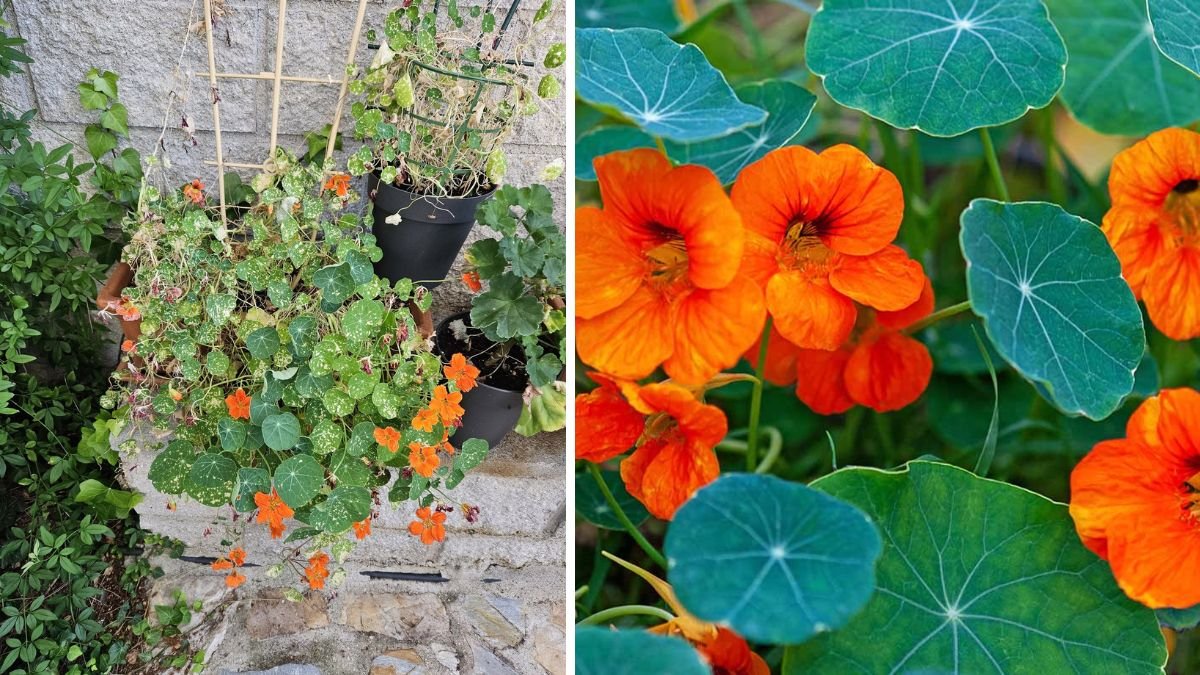
Nasturtium, with its vibrant colors and peppery flavor, is a delightful addition to any garden. Known scientifically as Tropaeolum, this annual flowering plant not only enhances your garden aesthetic but also offers culinary and medicinal benefits. This guide will cover everything you need to know about successfully cultivating nasturtium in your garden, from planting to maintenance to propagation, along with a frequently asked questions (FAQs) section at the end.
Understanding Nasturtium
Varieties of Nasturtium
Latest Posts
- A Comprehensive Guide to Successfully Growing Grape Vines in Your Backyard for Beginners and Experts Alike
- Best Tips for Successful Mango Growth in Containers
- Discover the Simple Steps for Successfully Growing Coriander in a Pot
- Discovering the Ultimate Guide to Growing African Violets from Leaf Cuttings
- Simple Techniques for Successfully Growing Seedless Grapes in Home Gardens
- Ultimate Guide to Growing Balsam Plants Naturally for Vibrant Blooms
- Discover the Secrets to Growing Lush Leek Leaves with Simple Hacks for Beginners
- How to Successfully Cultivate Sweet Cherries in the Unique Climate of Canada
- The Ultimate Guide to Successfully Growing Beautiful Succulent Garden Plants at Home
- A Comprehensive Guide to Growing Dhania from Seeds for Beginners
Nasturtium comes in two primary types:
-
Bush (Dwarf) Varieties: These plants grow compactly and are ideal for containers and smaller gardens. They typically reach heights of 12 to 18 inches.
-
Trailing Varieties: These varieties can grow up to 10 feet long and are perfect for hanging baskets or cascading over fences and walls.
Popular varieties include:
- Emerald Troupe: A bush type with deep green leaves and bright orange flowers.
- Alaska Variegated: A trailing type with stunning white and green marbled leaves.
Benefits of Growing Nasturtium
-
Aesthetic Appeal: Bright and colorful flowers, either single or double-petal, make a striking statement in your garden.

-
Culinary Uses: Both the leaves and flowers are edible, adding a spicy flavor to salads and garnishes.
-
Companion Planting: Nasturtiums can help deter pests like aphids, making them excellent companions for vegetables, particularly tomatoes and cucumbers.
-
Attracting Pollinators: Their bright colors attract bees, butterflies, and other beneficial insects.
Choosing the Right Location
Sunlight
Nasturtiums thrive in full sunlight, so select a spot in your garden that receives at least 6-8 hours of direct sunlight daily.
Soil Requirements
This plant prefers well-drained soil with a pH of 6.0 to 7.0. While they can tolerate poor soil, providing them with nutrient-rich compost can lead to more vibrant blooms.
Space Considerations
Depending on the variety, ensure adequate spacing:
- Bush varieties: Space plants about 10-12 inches apart.
- Trailing varieties: Space them approximately 18-24 inches apart to allow for ample growth and airflow.
Planting Nasturtium
When to Plant
Nasturtium can be sown directly into the garden after the last frost in spring. If you live in a region with a long growing season, you can also plant them in late summer for a fall display.
How to Plant
-
Soil Preparation: Loosen the soil to about 12 inches deep. Mix in organic compost for additional nutrients.
-
Sowing Seeds: Plant seeds about 1 inch deep and water lightly. If you’re starting seeds indoors, plant them 4-6 weeks before the last frost date.
-
Watering: Water the seeds immediately after planting and keep the soil moist until they germinate, typically within 7-14 days.
Propagation
Nasturtiums can also be propagated through cuttings. Simply take a stem cutting of a healthy plant, remove the lower leaves, and place it in water until roots form. Transplant the rooted cutting into soil following the initial planting guidelines.
Maintenance
Watering
While nasturtiums are somewhat drought-tolerant, consistent watering is essential, especially during dry spells. Water them thoroughly, but avoid waterlogging the soil. Aim for about an inch of water per week.
Fertilization
Nasturtiums typically need little to no fertilizer. Too much nitrogen can lead to lush foliage with fewer flowers. If desired, you can apply a balanced, slow-release organic fertilizer once at the beginning of the growing season.
Pruning and Deadheading
To encourage continuous blooming, regularly deadhead spent flowers. This promotes new growth and keeps your plant looking tidy. Additionally, if the plants become overly dense, thinning them out can improve air circulation.
Pest and Disease Management
Nasturtiums are relatively pest resistant, but they can occasionally fall victim to aphids, caterpillars, and spider mites. Regular monitoring and natural pest control methods, such as introducing beneficial insects or using neem oil, can keep these pests at bay.
Common Diseases
- Powdery Mildew: This is common in humid conditions. Ensure good air circulation and avoid overhead watering.
- Root Rot: Caused by overwatering. Ensure that your soil drains well to prevent this issue.
Harvesting and Culinary Uses
When to Harvest
You can start harvesting leaves and flowers as soon as the plants mature. The younger leaves and flowers are more flavorful and tender.
Culinary Uses
Nasturtium leaves can be used in salads for their peppery flavor, while the flowers add a colorful touch. Both can also be pickled or used to infuse oils and vinegars.
Storing Nasturtiums
Fresh nasturtium flowers and leaves can be stored in the refrigerator for up to a week. They are best used fresh to enjoy their flavor and texture.
Winter Care
In regions with mild winters, nasturtiums can survive if covered with mulch. However, in colder areas, it’s best to treat them as annuals and replant each year.
If you’re growing them in pots, you can bring them indoors when the temperatures drop. Place them in a sunny location and ensure they still receive adequate light and water.
Frequently Asked Questions (FAQs)
1. Can nasturtium be grown indoors?
Yes! Nasturtiums can be grown indoors in pots provided they receive adequate sunlight (at least 4-6 hours per day).
2. Are nasturtium leaves toxic to pets?
No, nasturtium leaves and flowers are not toxic to pets. In fact, they are edible for humans and pets alike!
3. How often should I water my nasturtium?
Aim to water your nasturtium once a week, ensuring the soil is moist but not soggy. Adjust based on weather and soil type.
4. How do I know if my nasturtium is getting too much sun?
Leaves that are scorched or discolored may indicate excessive sunlight. If this occurs, consider providing some afternoon shade.

5. Can I save nasturtium seeds for next year?
Absolutely! Allow some flowers to go to seed, then harvest and store them in a cool, dry place.
6. What companions should I plant with nasturtiums?
Nasturtiums complement vegetables such as tomatoes, cucumbers, and squash, benefiting both through pest control.
7. Do nasturtiums attract bees and butterflies?
Yes! The bright flowers of nasturtiums act as a magnet for bees, butterflies, and other beneficial insects, making them a great addition to any pollinator garden.
8. How can I prevent pests from infesting my nasturtiums?
Regularly inspect your plants for signs of pests and use natural remedies, such as insecticidal soap or neem oil, to manage any infestations.
Conclusion
Nasturtium is an enchanting addition to any garden, combining beauty, functionality, and culinary versatility. With the right care and a bit of effort, you can successfully cultivate these delightful plants and enjoy their vibrant flowers and tangy flavor in your kitchen. Happy gardening!