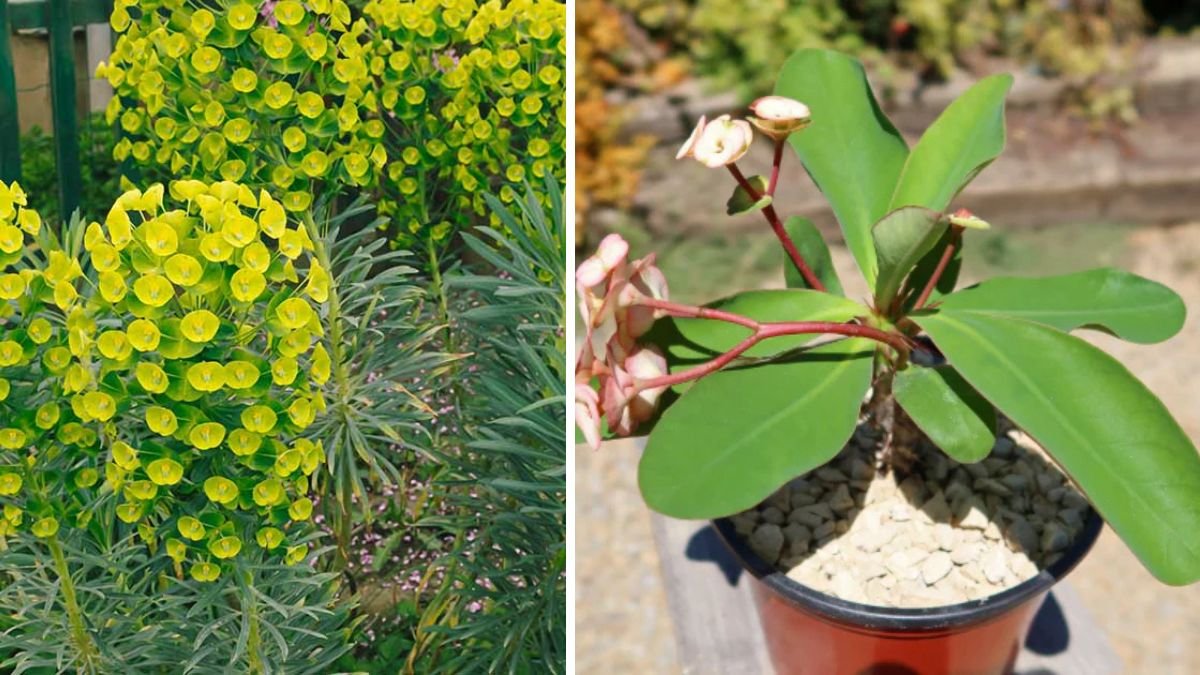
Euphorbia milli, commonly known as the Crown of Thorns, is a unique and beautiful succulent native to Madagascar. With its striking flowers and rugged nature, it’s a popular choice for indoor gardening and outdoor landscapes alike. This guide aims to provide you with everything you need to know to cultivate this stunning plant successfully.
What is Euphorbia Milli?
Euphorbia milli is part of the Euphorbiaceae family and is characterized by its thorny stems and small, vibrant flowers that bloom in various shades including red, pink, and yellow. The plant can grow anywhere from 1 to 3 feet in height and can spread up to 2 feet wide. Its ability to thrive in various conditions makes it an appealing option for both novice and experienced gardeners.
Latest Posts
- A Comprehensive Guide to Successfully Growing Grape Vines in Your Backyard for Beginners and Experts Alike
- Best Tips for Successful Mango Growth in Containers
- Discover the Simple Steps for Successfully Growing Coriander in a Pot
- Discovering the Ultimate Guide to Growing African Violets from Leaf Cuttings
- Simple Techniques for Successfully Growing Seedless Grapes in Home Gardens
- Ultimate Guide to Growing Balsam Plants Naturally for Vibrant Blooms
- Discover the Secrets to Growing Lush Leek Leaves with Simple Hacks for Beginners
- How to Successfully Cultivate Sweet Cherries in the Unique Climate of Canada
- The Ultimate Guide to Successfully Growing Beautiful Succulent Garden Plants at Home
- A Comprehensive Guide to Growing Dhania from Seeds for Beginners
Key Features:
- Light Needs: Prefers full sunlight.
- Soil Requirements: Well-draining soil mix.
- Watering: Minimal, allowing the soil to dry between waterings.
- Temperature and Humidity: Thrives in warm climates and can tolerate dry conditions.
How to Start Growing Euphorbia Milli
Selecting the Right Location
When choosing a spot for your Euphorbia milli, opt for a location where it can receive plenty of sunlight—at least six hours a day. This could be on a south or west-facing windowsill if you’re growing it indoors. Outdoors, place it in a garden bed that gets ample sunlight.

Choosing the Right Soil
Euphorbia milli requires well-draining soil to prevent root rot. A succulent or cactus potting mix works best. You can also create your own blend by mixing regular potting soil with perlite or coarse sand in equal parts.
Pot Selection
If you’re planting in a pot, select one with drainage holes at the bottom. A terracotta pot is ideal as it allows moisture to evaporate quickly.
Propagation Methods
Euphorbia milli can be propagated through cuttings or seeds. Here’s how:
1. Cuttings:
- Take healthy cuttings of about 4-6 inches from the parent plant.
- Allow the cuttings to callous for a few days in a dry, warm place.
- Plant the cuttings in a well-draining soil mix and water lightly.
- Keep the soil slightly moist until roots develop, which usually takes 2-3 weeks.
2. Seeds:

- Sow seeds in spring.
- Use a seed-starting mix and keep the soil consistently moist but not soggy.
- Germination typically occurs within 2-4 weeks.
Care Tips for Euphorbia Milli
Watering
Euphorbia milli is drought-tolerant, making it essential not to overwater. Allow the soil to dry out completely between waterings, especially during the winter months when the plant is dormant. Generally, watering every 2-3 weeks is sufficient, but always check the soil moisture first.
Light Requirements
As mentioned earlier, Euphorbia milli thrives best in bright light. If grown indoors, rotate the plant every couple of weeks to ensure even growth. If you notice the plant stretching toward the light, it’s a sign that it requires more sunlight.
Fertilizing
Fertilize Euphorbia milli during the growing season (spring and summer) with a diluted liquid fertilizer formulated for cacti and succulents. Avoid fertilizing during the winter months when the plant is dormant.
Pruning
Pruning helps maintain the shape and encourages more blooms. Trim away any dead or yellowing leaves and spent flowers to promote healthier growth.

Pests and Diseases
While Euphorbia milli is generally resistant to pests, it’s essential to keep an eye out for aphids, mealybugs, and spider mites. If you notice any of these pests, remove them using a cotton swab dipped in rubbing alcohol or insecticidal soap.
Common diseases you may encounter include root rot and powdery mildew. To avoid these:
- Ensure proper drainage.
- Avoid overhead watering.
- Keep the plant in a well-ventilated area.
Common Growing Challenges
1. Overwatering
One of the biggest challenges for Euphorbia milli growers is overwatering. Signs of overwatering include yellowing leaves, mushy stems, and a foul smell from the soil. To address this, let the soil dry out completely and reduce the frequency of watering.
2. Lack of Light
If your plant begins to stretch or produce fewer flowers, it may not be receiving enough light. Move the plant to a brighter location, or supplement with grow lights if adequate natural light isn’t available.

3. Flower Drop
If your plant drops flowers early, it could be an indication of stress due to temperature changes, water issues, or lack of nutrients. Ensure a stable environment, adjust watering habits, and use fertilizer during the growing season.
Indoor vs. Outdoor Care
Indoor Care
When growing Euphorbia milli indoors, keep the humidity low and maintain a warm temperature between 65°F and 75°F. It’s crucial to provide enough light, as indoor conditions can often be less sunny than outdoors.
Outdoor Care
If you’re growing Euphorbia milli outdoors, ensure it’s placed in a warm, sunny location with well-draining soil. During colder months, bring the plant inside if you live in areas that experience frost.
Conclusion
Euphorbia milli is an incredible plant that can enhance indoor and outdoor spaces alike. With the right care, it will reward you with unique and vibrant blooms. By following the guidelines in this guide, you’ll be well-equipped to successfully grow and maintain your Crown of Thorns.
FAQs
1. How often should I water Euphorbia milli?
Water every 2-3 weeks, allowing the soil to dry completely between waterings.

2. Can I grow Euphorbia milli from seeds?
Yes, Euphorbia milli can be grown from seeds sown in spring. Keep the soil moist during the germination process.
3. Why are my Euphorbia milli leaves turning yellow?
Yellowing leaves can indicate overwatering or poor drainage. Check the soil moisture and adjust watering as necessary.
4. Does Euphorbia milli need fertilizer?
Yes, fertilize during the growing season with a diluted cactus fertilizer but avoid fertilizing during the dormant winter months.
5. Is Euphorbia milli toxic to pets?
Yes, Euphorbia milli is toxic if ingested due to the latex sap it produces. Keep it out of reach of pets and children.
6. How should I prune my Euphorbia milli?
Trim dead or yellowing leaves and spent flowers to maintain shape and promote blooming.
By following these guidelines and addressing common challenges, you can ensure that your Euphorbia milli will flourish and bring beauty to your home. Happy gardening!