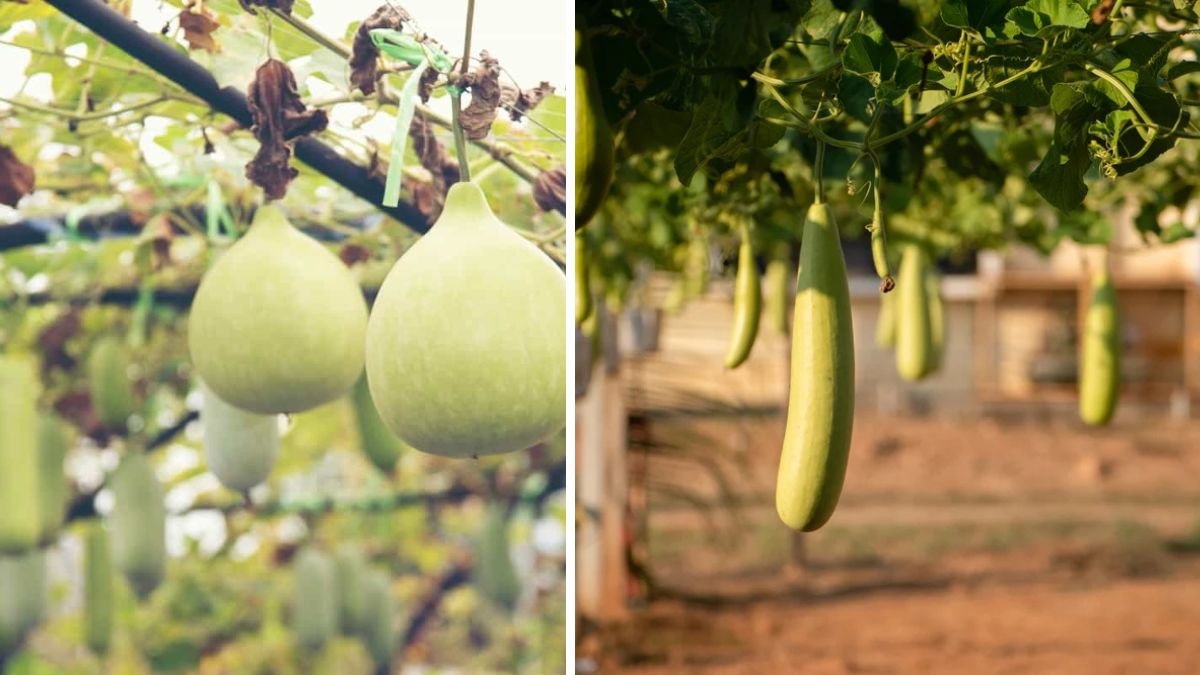
Growing bottle gourd creepers (Lagenaria siceraria), also known as lauki or calabash gourd, is a rewarding endeavor that can yield fresh produce right from your backyard or even your balcony. This nutritious vegetable is popular in many cuisines, particularly in Indian cooking, for its versatility and health benefits. Here’s how you can successfully grow bottle gourd creepers at home, along with some tips for optimal growth and a FAQ section at the end.
Understanding Bottle Gourd
Bottle gourd is a fast-growing vine that thrives in warm climates and needs well-drained soil for optimal growth. This vegetable is rich in water content, fiber, and vitamins, making it a healthy addition to your diet.
Latest Posts
- A Comprehensive Guide to Successfully Growing Grape Vines in Your Backyard for Beginners and Experts Alike
- Best Tips for Successful Mango Growth in Containers
- Discover the Simple Steps for Successfully Growing Coriander in a Pot
- Discovering the Ultimate Guide to Growing African Violets from Leaf Cuttings
- Simple Techniques for Successfully Growing Seedless Grapes in Home Gardens
- Ultimate Guide to Growing Balsam Plants Naturally for Vibrant Blooms
- Discover the Secrets to Growing Lush Leek Leaves with Simple Hacks for Beginners
- How to Successfully Cultivate Sweet Cherries in the Unique Climate of Canada
- The Ultimate Guide to Successfully Growing Beautiful Succulent Garden Plants at Home
- A Comprehensive Guide to Growing Dhania from Seeds for Beginners
Benefits of Growing Bottle Gourd
- Nutritional Value: Bottle gourd is low in calories and high in essential nutrients.
- Space-Efficient: As a vine, it can be grown vertically, making it suitable for small spaces.
- Versatile Usage: It can be used in various dishes, from curries to soups and even desserts.
- Cost-Effective: Growing your own bottle gourd can save you money on groceries and provide fresh, chemical-free produce.
Ideal Growing Conditions
1. Climate
Bottle gourd thrives best in warm climates. It prefers temperatures between 70°F and 85°F (21°C to 29°C). Avoid planting it during the cold months, as frost can kill the plants.
2. Soil
The ideal soil for bottle gourd is:
- Well-Draining: Ensure there’s good drainage to prevent waterlogging.
- Loamy or Sandy Loam: This type of soil holds nutrients well and allows for proper root development.
- pH Level: Aim for a pH level of about 6.0 to 7.5.
3. Sunlight Requirements
Bottle gourd requires full sunlight for at least 6-8 hours a day. Choose a location that receives ample sunlight to promote healthy growth.
Steps to Grow Bottle Gourd
Step 1: Preparing the Soil
-
Choose a Location: Select a sunny spot in your garden or a large container if you’re limited on space.
-
Soil Preparation:
- Loosen the soil with a spade or garden fork.
- Mix in organic compost or well-rotted manure to enrich nutrient content.
Step 2: Sowing Seeds
-
Seed Selection: You can buy seeds from a nursery or use seeds from a mature bottle gourd.
-
Seed Preparation:
- Soak the seeds in water for 2-3 hours before planting to enhance germination.
-
Planting:
- Plant seeds 1 inch deep in the soil. Space them about 2-3 feet apart to allow for vine spread.
- If starting indoors, transplant seedlings outdoors once they have 2-3 true leaves.
Step 3: Watering
- Water the plants regularly, especially during the initial growth phase.
- Ensure the soil remains moist but not waterlogged. Drip irrigation or soaker hoses can help maintain steady moisture.
Step 4: Supporting the Vines
As the plants grow, they will require support to climb. You can use:
- Trellises: A wooden or metal trellis can help support the healthy growth of the vines.
- Garden Fences: Vines can also climb on fences or other sturdy structures.
Step 5: Fertilization
- Use organic fertilizers such as compost or well-rotted manure every 4-6 weeks during the growing season.
- A balanced fertilizer with equal amounts of nitrogen (N), phosphorus (P), and potassium (K) is beneficial.
Step 6: Pest and Disease Management
-
Common Pests: Watch for aphids, spider mites, and cucumber beetles.
-
Management: Natural insecticides like neem oil can be effective. Encourage beneficial insects such as ladybugs that feed on pests.
-
Diseases: Fungal diseases may arise in humid conditions. Ensure good airflow and do not overcrowd plants.
Step 7: Harvesting
-
Bottle gourds can be harvested when they reach about 6-8 inches in length.
-
Use sharp scissors to cut them off the vine, avoiding any damage to the plant.
-
It’s best to harvest regularly to encourage further production.
Tips for a Successful Harvest
- Continuous Check: Regularly check your plants for any signs of pests or diseases.
- Pinching: Pinch off any flowers that develop too early to encourage more fruit production later on.
- Regular Watering: If there is a dry spell, provide extra watering to ensure healthy fruit development.
FAQs About Growing Bottle Gourd
1. How long does it take for bottle gourd to grow?
Bottle gourd typically takes about 60 to 90 days from planting to harvest, depending on growing conditions and varieties.
2. Can I grow bottle gourd in pots?
Yes, bottle gourd can be grown in large pots if space is limited. Ensure the pot is at least 12-15 inches in diameter and provide adequate support for the vines.
3. Is bottle gourd a perennial or annual plant?
Bottle gourd is an annual plant, meaning it completes its life cycle within one growing season.
4. How can I prevent pests?
You can prevent pests by maintaining good garden hygiene, introducing beneficial insects, and using organic pest control methods when necessary.
5. Can I save seeds from my harvest?
Yes, you can save seeds from fully mature and healthy bottle gourds. Ensure they are dried properly before storage.
6. What are the common diseases affecting bottle gourd plants?
Common diseases include powdery mildew and downy mildew. Ensuring good airflow and avoiding overhead watering can help prevent these issues.
7. When is the best time to plant bottle gourd?
The best time to plant bottle gourd is during the warm months of spring or early summer, after the danger of frost has passed.
Conclusion
Growing bottle gourd creepers at home can provide fresh and healthy produce while being a fun and satisfying gardening experience. With the right conditions, care, and attention, you can cultivate a bountiful harvest and enjoy this versatile vegetable in various dishes. Whether you have a garden space or just a balcony, these simple steps will help you successfully grow your own bottle gourd. Happy gardening!