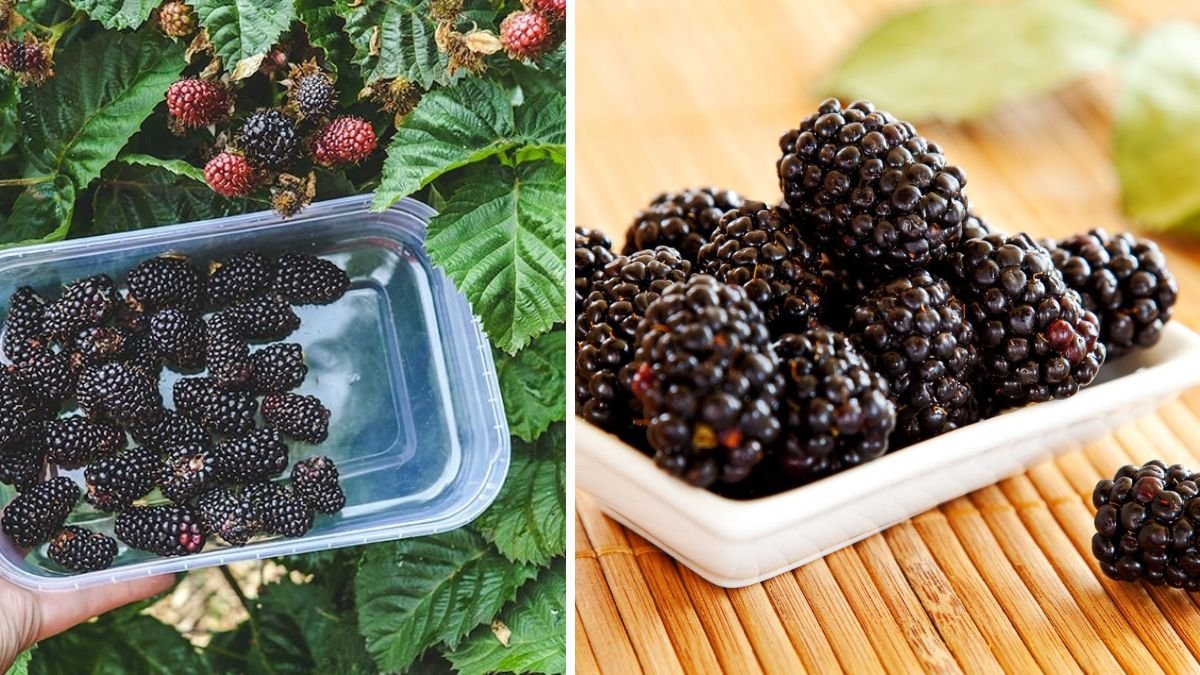
Blackberries are a delicious, versatile fruit that can thrive in various climates, including Canada. For beginners, growing blackberries may seem daunting, but with the right techniques and care, it can turn into a rewarding gardening experience. This article outlines easy hacks to successfully grow blackberries in Canada, from selecting the right varieties to planting, caring for, and harvesting.
Understanding Blackberry Varieties
1. Choosing the Right Variety
Latest Posts
- A Comprehensive Guide to Successfully Growing Grape Vines in Your Backyard for Beginners and Experts Alike
- Best Tips for Successful Mango Growth in Containers
- Discover the Simple Steps for Successfully Growing Coriander in a Pot
- Discovering the Ultimate Guide to Growing African Violets from Leaf Cuttings
- Simple Techniques for Successfully Growing Seedless Grapes in Home Gardens
- Ultimate Guide to Growing Balsam Plants Naturally for Vibrant Blooms
- Discover the Secrets to Growing Lush Leek Leaves with Simple Hacks for Beginners
- How to Successfully Cultivate Sweet Cherries in the Unique Climate of Canada
- The Ultimate Guide to Successfully Growing Beautiful Succulent Garden Plants at Home
- A Comprehensive Guide to Growing Dhania from Seeds for Beginners
Before you start planting, it’s essential to choose the right variety of blackberry suited for the Canadian climate. Here are a few varieties that do well in colder regions:
- Heritage: A robust, everbearing variety that can produce fruit in two seasons. It’s hardy and resistant to disease, making it a great choice for beginners.
- Baby Cakes: A compact, thornless variety that’s perfect for smaller spaces and known for its sweet berries.
- Northland: A high-yielding variety that’s adapted for colder climates. It produces medium-sized berries and is also disease-resistant.
2. Local Climate Considerations
Canada’s diverse climatic conditions require attention to microclimates in your chosen planting area. South-facing slopes that are sheltered from harsh winds are ideal, as they can maintain warmth and protect the plants from late frosts.
Preparation for Planting
3. Selecting the Right Location
Blackberries thrive in full sunlight, so choose a location that receives at least 6-8 hours of direct sunlight daily. Avoid areas prone to waterlogging or with heavy shade from trees or buildings.
4. Soil Preparation
Blackberries prefer well-draining soil that is rich in organic matter. Conduct a soil test to determine pH and nutrient levels. Here’s how to prepare your soil:

- Soil Amendments: Add compost or well-rotted manure to improve soil fertility.
- pH Level: Aim for a pH between 5.5 and 6.5. Lime can be added if the soil is too acidic.
5. Choosing the Right Planting Method
There are different ways to plant blackberries:
- Bare Root Plants: Ideal for spring planting. Soak roots in water for a few hours before planting to promote growth.
- Potted Plants: Can be planted any time before frost. Ensure that there are adequate drainage holes in the pots.
Planting Your Blackberries
6. Timing
In Canada, the best time to plant blackberries is in early spring, once the threat of frost has passed, or in the fall, around August or September, depending on your region.
7. Planting Techniques
- Spacing: Space plants 3-4 feet apart to allow for adequate air circulation and growth.
- Depth: Dig a hole deep enough to place the roots without bending them, typically 1-2 inches deeper than the root ball.
- Watering After Planting: Water thoroughly after planting to settle the soil and eliminate air pockets.
Caring for Your Blackberry Plants
8. Watering
Blackberries require consistent moisture, especially during dry spells. However, be mindful not to overwater, as it can lead to root rot. A general rule is to provide about 1-2 inches of water per week.
9. Fertilizing
Use a balanced fertilizer in early spring to encourage growth. Avoid excessive nitrogen, as it can lead to lush foliage instead of fruit. Consider using organic fertilizers like bone meal or fish emulsion for natural nourishment.
10. Pruning
Pruning is essential for maintaining the health and productivity of blackberry plants:
- Erect Varieties: Prune tips of canes that grew last year to encourage branching. Remove any dead or diseased canes.
- Trailing Varieties: Cut back to about 4-5 feet after planting; this encourages the growth of side branches.
11. Support Structures
Depending on the variety, you may need to use trellises or supports to help manage the growth of the plants:
- Trellis System: Use a simple wire trellis system for erect varieties to keep canes upright.
- Row Planting: For trailing varieties, a fence or a major structure can serve as support.
Pest and Disease Management
12. Recognizing Common Pests

Some common pests that can affect blackberries include:
- Spider mites: Can be managed by regularly spraying the foliage with water to dislodge them.
- Japanese beetles: Hand-picking them off the plants or using insect traps can help control their population.
13. Preventing Diseases
Blackberries are susceptible to several diseases, although many varieties are resistant. To prevent issues:
- Air Circulation: Space plants properly for good airflow.
- Water Management: Avoid overhead watering to prevent fungal diseases.
- Mulching: Use straw or wood chips as mulch to retain moisture and suppress weeds.
Harvesting Blackberries
14. Timing and Techniques
Blackberries typically ripen from mid-summer to early fall. Signs of ripeness include:
- Color: Dark, uniform color indicating sweetness.
- Ease of Removal: Ripe berries will slip off the stem with little resistance.
15. Storage

Fresh blackberries can be stored in the refrigerator for about a week. For longer storage, consider freezing them. Spread the berries on a baking sheet to freeze individually before transferring them to a freezer bag.
16. Enjoying Your Harvest
Blackberries can be enjoyed fresh, baked into pies, or used in jams and jellies. They are also a great addition to smoothies or salads.
Easy Hacks for Successful Blackberry Growing
- Companion Planting: Grow blackberries alongside crops like beans and marigolds to enhance growth and deter pests.
- Mulching: Besides moisture retention, mulch helps prevent weeds, ensuring the plants receive nutrients without competition.
- Crop Rotation: Rotate planting areas year after year to prevent soil depletion and disease buildup.
- Regular Monitoring: Keep an eye on your plants for any signs of stress, disease, or pest issues early on to nip problems in the bud.
Conclusion
With these easy hacks and techniques, growing blackberries in Canada can become a fulfilling gardening project for beginners. From careful selection of varieties to proper planting and care, your blackberry bushes can thrive, providing you with delicious fruits for years. Remember that gardening is a learning process; patience and observance will aid in your success.
FAQs
1. How long do blackberry plants take to produce fruit?
Blackberry plants typically take about 1-2 years to produce fruit after planting.
2. Can blackberries grow in pots?
Yes, many blackberry varieties can thrive in pots, provided they receive adequate sunlight and care.

3. How often should I prune my blackberry plants?
Prune blackberries annually, ideally in late winter or early spring, before new growth begins.
4. Do I need to fertilize blackberry plants every year?
It’s recommended to fertilize annually in spring, but adjust based on soil tests and plant performance.
5. Are blackberries safe for pets?
Blackberries are generally safe for pets, but always consult your vet if you’re unsure about any particular plant’s safety.
6. What is the best way to protect blackberry plants from frost?
Using row covers or plant blankets can provide protection against late spring frosts.
7. Can I grow blackberries in a shady area?
Blackberries prefer full sunlight for optimal growth; however, some varieties may tolerate partial shade but will likely yield less fruit.
By following these steps and tips, even beginners can successfully grow and enjoy their homegrown blackberries in Canada!