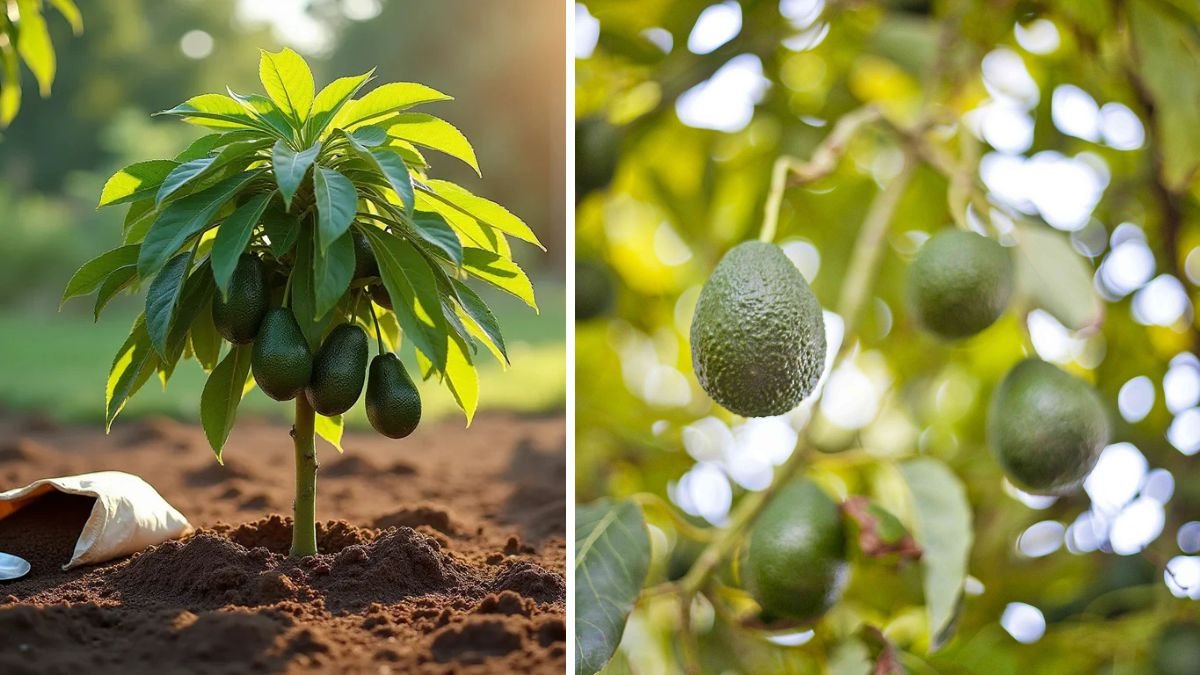
Growing avocados, particularly the popular Hass variety, can be a rewarding endeavor for any backyard gardener. Known for its creamy texture and rich flavor, the Hass avocado is a favorite among avocado lovers. This guide will cover the best techniques for cultivating Haas avocado trees in your backyard to maximize yield.
Understanding Hass Avocado
Characteristics of the Hass Avocado
Latest Posts
- A Comprehensive Guide to Successfully Growing Grape Vines in Your Backyard for Beginners and Experts Alike
- Best Tips for Successful Mango Growth in Containers
- Discover the Simple Steps for Successfully Growing Coriander in a Pot
- Discovering the Ultimate Guide to Growing African Violets from Leaf Cuttings
- Simple Techniques for Successfully Growing Seedless Grapes in Home Gardens
- Ultimate Guide to Growing Balsam Plants Naturally for Vibrant Blooms
- Discover the Secrets to Growing Lush Leek Leaves with Simple Hacks for Beginners
- How to Successfully Cultivate Sweet Cherries in the Unique Climate of Canada
- The Ultimate Guide to Successfully Growing Beautiful Succulent Garden Plants at Home
- A Comprehensive Guide to Growing Dhania from Seeds for Beginners
Hass avocados have a dark, pebbly skin that turns from green to near-black when ripe. They typically have a rich, nutty flavor and a high fat content that provides a creamy texture, making them ideal for guacamole, salads, or simply enjoying on toast.
Growing Zones
Hass avocados thrive in USDA hardiness zones 9 to 11, which includes parts of California, Florida, Texas, and Hawaii. They prefer a warm, frost-free environment. Before planting, it’s essential to determine if your region falls within the optimal growing zones or if you can create suitable conditions.
Choosing the Right Location
Sunlight
Hass avocados need full sun to thrive, which means at least 6-8 hours of direct sunlight per day. Choose a location in your backyard that receives plenty of sun, avoiding shaded areas from trees or structures.
Drainage
Avocado roots are susceptible to rot if left in standing water. Therefore, it is crucial to select a well-draining soil. Elevated areas or mounds can help improve drainage if your soil tends to hold water.
Wind Protection
Young avocado trees are vulnerable to strong winds, which can damage branches and fruit. Plant near a natural windbreak, such as a fence or shrub, to protect your tree.
Soil Preparation
Soil Type
Hass avocados prefer slightly acidic to neutral soil (pH 6 to 7). Loamy, sandy soils are ideal as they offer the right balance of moisture retention and drainage.
Amendments
Before planting, amend your soil with organic matter like compost to improve fertility and structure. Adding mulch can help retain moisture and control weeds.
Planting Hass Avocado Trees
When to Plant
The best time to plant Hass avocado trees is in the spring, after the last frost. This is when temperatures are consistently warmer, encouraging healthy growth.
Planting Process
- Dig a Hole: Create a hole that is twice the width and the same depth as the root ball.
- Inspect Roots: If you have a nursery plant, ensure that the roots are not circling in the pot. If so, gently coax them apart.
- Place the Tree: Position the tree in the center of the hole, making sure that the root ball is slightly above ground level.
- Backfill: Fill in the hole with soil, gently packing it down to eliminate air pockets.
- Water: Water thoroughly after planting to help settle the soil.
Watering Techniques
Establishing a Watering Schedule
Hass avocado trees require regular watering, especially in their first few years. Deep watering is essential, allowing the top inch of soil to dry out between waterings.
- Young Trees: Water once a week during the growing season.
- Mature Trees: Reduce watering to every two weeks, adjusting based on rainfall and soil moisture.
Irrigation Methods
Consider using drip irrigation to provide consistent moisture directly to the root zone. This helps reduce water waste and minimizes the risk of rot.
Fertilizing Hass Avocado Trees
What to Use
To maximize yield, fertilize your Hass avocado tree with a balanced fertilizer that includes nitrogen, phosphorus, and potassium. Look for fertilizers designed specifically for fruit trees.
Timing
- Spring: Use a slow-release fertilizer when new growth appears.
- Summer: Apply a second round of fertilizer in early summer as the tree produces fruit.
Organic Alternatives
Natural fertilizers like compost, fish emulsion, or well-rotted manure can enrich the soil. Organic methods can be safer and more sustainable, especially if you are concerned about chemical fertilizers.
Pruning Hass Avocado Trees
Importance of Pruning
Pruning is crucial for maintaining tree health and maximizing yield. It encourages strong growth and better light penetration.
When to Prune
Late winter or early spring, just before new growth begins, is the best time to prune.
Pruning Techniques
- Remove Dead or Diseased Branches: Clear any unhealthy or crossing branches to improve airflow.
- Shape the Tree: Maintain a rounded crown to allow sunlight to reach all foliage.
- Thin Out the Canopy: If the tree is too dense, thin it out to promote better fruiting.
Pest and Disease Management
Common Pests
- Avocado Leafrollers: Utilize neem oil or insecticidal soap to manage these pests.
- Scale Insects: Hand-pick or use horticultural oil to control populations.
Diseases
- Root Rot: Ensure proper drainage and avoid overwatering to mitigate this disease, which is common in poorly drained soils.
- Powdery Mildew: Increase air circulation and use fungicides as needed.

Integrated Pest Management (IPM)
Employing an IPM strategy can help maintain balance in the ecosystem. This involves monitoring for pests, using traps, and utilizing beneficial insects to manage pest populations.
Harvesting Hass Avocados
When to Harvest
Hass avocados typically mature 6 to 8 months after flowering. The fruit can be picked when it has reached the desired size, but it will not ripen until it is picked.
Color and Texture
Harvest when the skin changes from bright green to a darker shade but before it fully turns black. The fruit should feel slightly soft but not overly squishy.
How to Harvest
Use a sharp knife or pruning shears and cut the fruit off leaving a short stem attached. Avoid pulling, which can damage the tree.
Post-Harvest Management
Ripening
To ripen, place avocados in a paper bag at room temperature. Adding an apple or banana can speed up the ripening process due to ethylene gas.
Storage
Store ripe avocados in the refrigerator to extend their shelf life. Whole avocados can last up to a week, while cut avocados should be sealed tightly to prevent browning.
Conclusion
Growing Hass avocados in your backyard can be a gratifying project, especially when you see those beautiful green fruits emerging. By choosing the right location, preparing your soil adequately, adhering to proper watering and fertilizing schedules, and managing pests and diseases effectively, you can encourage a bountiful yield from your Hass avocado trees.
FAQs
1. How long does it take for Hass avocado trees to bear fruit?
Hass avocado trees typically start bearing fruit in 3 to 4 years when grown from a grafted nursery tree, while those grown from seed can take up to 10 years.
2. Can I grow Hass avocados in a pot?
Yes, Hass avocados can be grown in large pots if proper drainage and care are provided. Ensure the pot is at least 15 gallons in size.
3. What is the best time to water Hass avocados?
Water early in the morning to minimize evaporation and ensure the tree has moisture during the hottest part of the day.
4. Are Hass avocados frost-tolerant?
Hass avocados are not frost-tolerant. If you live in a colder region, consider employing protective measures like covering the tree during cold snaps.
5. How can I tell if my avocados are ripe?
Ripe avocados will have a darker skin and yield slightly to gentle pressure. Remember that they do not ripen on the tree.
By following these guidelines and techniques, you can successfully cultivate Hass avocados in your backyard and enjoy fresh fruits for years to come!