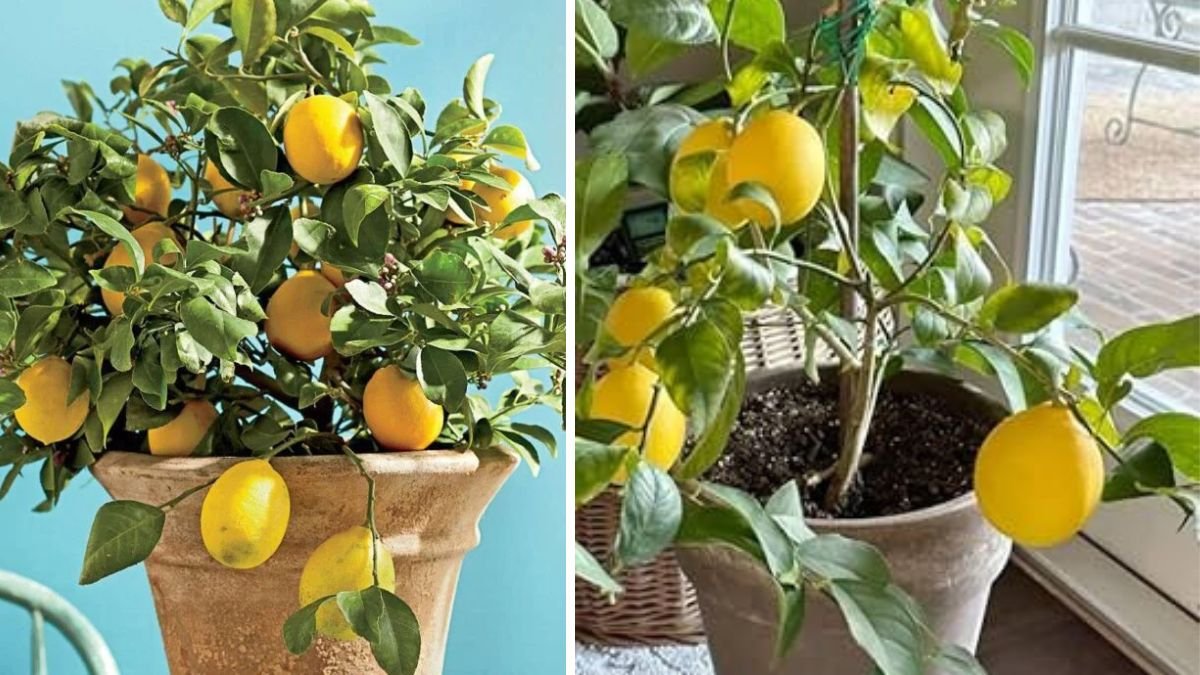
Growing a lemon tree at home can be a rewarding endeavor, providing you with not only the joy of nurturing a plant but also fresh lemons to use in cooking, drinks, and even for cleaning purposes. Whether you have a large backyard or a small balcony, you can cultivate a healthy lemon tree with the right knowledge and care. This guide will cover everything from selecting the right variety to maintaining your lemon tree.
1. Understanding Lemon Trees
1.1 Types of Lemon Trees
Latest Posts
- A Comprehensive Guide to Successfully Growing Grape Vines in Your Backyard for Beginners and Experts Alike
- Best Tips for Successful Mango Growth in Containers
- Discover the Simple Steps for Successfully Growing Coriander in a Pot
- Discovering the Ultimate Guide to Growing African Violets from Leaf Cuttings
- Simple Techniques for Successfully Growing Seedless Grapes in Home Gardens
- Ultimate Guide to Growing Balsam Plants Naturally for Vibrant Blooms
- Discover the Secrets to Growing Lush Leek Leaves with Simple Hacks for Beginners
- How to Successfully Cultivate Sweet Cherries in the Unique Climate of Canada
- The Ultimate Guide to Successfully Growing Beautiful Succulent Garden Plants at Home
- A Comprehensive Guide to Growing Dhania from Seeds for Beginners
There are several varieties of lemon trees, but the two most popular types for home gardens are:
- Eureka Lemon: Known for its tart flavor and smooth, thin skin. It produces fruit year-round and is well-suited for various climates.
- Lisbon Lemon: Similar to Eureka but has a slightly thicker skin and is less prone to disease. It also thrives well in warm climates.
For those with limited space, consider dwarf varieties like the Improved Meyer Lemon, which are ideal for container gardening and have a sweeter flavor.
1.2 Choosing the Right Variety
When selecting a lemon tree, consider your climate. Lemon trees thrive in USDA zones 9-11, but indoor plants can grow in various conditions if they receive sufficient light. Browse your local nurseries or garden centers for healthy, disease-free saplings.
2. Planting Your Lemon Tree
2.1 Selecting the Right Location

Lemon trees need full sun to thrive, so choose a spot that receives at least 8 hours of direct sunlight daily. Ensure the area has good air circulation to prevent fungal diseases.
2.2 Soil Requirements
Lemon trees prefer well-draining soil; a mix of potting soil, sand, and compost works well. The soil pH should be between 5.5 and 6.5. Adding perlite can enhance drainage and aeration.
2.3 Planting Process
- Pick a Pot: For container planting, choose a pot that is at least 12 inches deep with drainage holes.
- Prepare the Soil: Mix 2 parts potting soil to 1 part sand and 1 part compost.
- Planting:
- Remove the sapling from its container and gently loosen any tightly bound roots.
- Place the tree in the center of the pot, ensuring the root ball is level with the top of the potting mixture.
- Fill in with soil, gently packing it down to eliminate air pockets.
- Watering: Water thoroughly until the soil is evenly moist but not waterlogged.
3. Caring for Your Lemon Tree
3.1 Watering
Lemon trees require consistent watering, especially in their early growth stages. Water deeply once or twice a week, allowing the top inch of soil to dry out between waterings. Adjust the watering frequency based on seasonal changes and the size of your tree.

3.2 Fertilizing
Fertilizing promotes healthy growth and fruit production. Use a balanced fertilizer designed for citrus trees every 6-8 weeks during the growing season (spring and summer). A formula like 5-10-10 is usually effective.
3.3 Pruning
Pruning helps shape the tree and encourages air circulation. Remove dead or crossing branches, as well as any suckers from the base. Prune about 1/3 of the tree if it’s becoming too bushy.
3.4 Pest Control
Common pests include aphids, spider mites, and scale insects. Regularly inspect your tree and use insecticidal soap or neem oil to control infestations. For larger pests, such as leaf-footed bugs, hand-picking may be effective.
3.5 Disease Management
Fungal issues can arise, particularly in overly damp conditions. Ensure good air circulation and apply fungicides if necessary. Root rot is a common problem; prevent it by ensuring the pot has adequate drainage and not over-watering.
4. Harvesting Lemons
It usually takes a lemon tree about three years to produce fruit, but once it starts, you can expect a continuous crop. Harvest lemons by gently twisting them off the branch when they are fully yellow and slightly firm.
5. Troubleshooting Common Problems

5.1 Yellowing Leaves
Yellowing leaves may indicate a nutrient deficiency or over-watering. Check the soil moisture and adjust your watering routine. You might also want to check for pests.
5.2 Dropping Fruit
If your tree drops fruit prematurely, it may be due to overwatering, drought stress, or sudden temperature changes. Ensure consistency in care and environmental conditions.
5.3 Stunted Growth
Stunted growth can indicate a need for more light or fertilizers. If your tree is indoors, consider moving it closer to a window or providing supplemental light.
6. Growing Lemon Trees Indoors
If you live in a cooler climate or simply wish to grow your lemon tree indoors, follow these guidelines:
- Light: Use grow lights if you cannot provide sufficient natural sunlight.
- Temperature: Keep indoor temperatures between 65°F and 75°F. Protect the tree from drafts and extreme temperature changes.
- Humidity: Lemon trees thrive in humidity. Use a humidifier or place a pebble tray with water beneath the plant pot.
7. Conclusion

Growing a lemon tree at home can be wonderfully fulfilling. By selecting the right variety, providing proper care, and keeping an eye out for potential problems, you can enjoy a fruitful lemon harvest for years to come.
FAQs
1. How long does it take for a lemon tree to bear fruit?
It generally takes about 3 years for a lemon tree to start producing fruit, depending on the variety and care.
2. Can I grow a lemon tree from seed?
Yes, you can grow a lemon tree from seeds, but trees grown from seeds may not produce fruit that is true to the parent plant. Starting from a nursery-bought sapling is often more reliable.
3. How much sunlight do lemon trees need?
Lemon trees require full sun, which means at least 8 hours of direct sunlight per day.
4. What pests are common to lemon trees?
Common pests include aphids, spider mites, and scale insects. Regularly inspect your tree and use appropriate treatments as needed.
5. Is it necessary to prune lemon trees?
Yes, pruning helps shape the tree, promotes healthy growth, and increases air circulation around branches and leaves.

6. Can I grow a lemon tree indoors?
Absolutely! Many varieties can be grown indoors as long as they receive sufficient light and care.
7. How often should I fertilize my lemon tree?
During the growing season, fertilize every 6-8 weeks with a balanced fertilizer specifically formulated for citrus trees.
8. What should I do if my lemon tree’s leaves are turning yellow?
Yellow leaves can indicate over-watering, nutrient deficiency, or root issues. Check soil moisture and consider adjusting your watering routine or providing nutrients.
With this comprehensive guide, you’re well-equipped to start your lemon tree journey. With patience and care, you’ll surely enjoy the many benefits of having your very own lemon tree at home. Happy gardening!