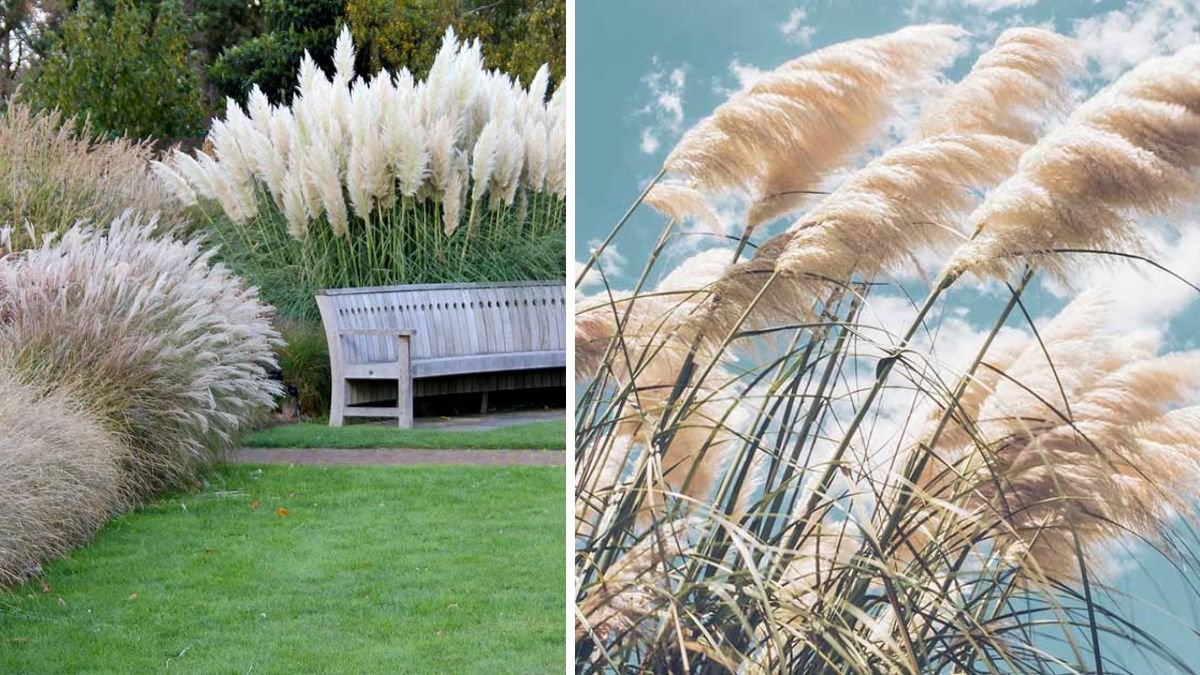
Pampas grass (Cortaderia selloana) is a perennial grass native to South America that has gained immense popularity in ornamental gardening. Known for its tall, feathery plumes and striking appearance, pampas grass can transform any garden into a stunning oasis. This comprehensive guide will walk you through the essentials of growing pampas grass, from selecting the right variety to maintenance and care, ensuring you achieve a vibrant garden that showcases this stunning plant.
Table of Contents
- A Comprehensive Guide to Successfully Growing Grape Vines in Your Backyard for Beginners and Experts Alike
- Best Tips for Successful Mango Growth in Containers
- Discover the Simple Steps for Successfully Growing Coriander in a Pot
- Discovering the Ultimate Guide to Growing African Violets from Leaf Cuttings
- Simple Techniques for Successfully Growing Seedless Grapes in Home Gardens
- Ultimate Guide to Growing Balsam Plants Naturally for Vibrant Blooms
- Discover the Secrets to Growing Lush Leek Leaves with Simple Hacks for Beginners
- How to Successfully Cultivate Sweet Cherries in the Unique Climate of Canada
- The Ultimate Guide to Successfully Growing Beautiful Succulent Garden Plants at Home
- A Comprehensive Guide to Growing Dhania from Seeds for Beginners
-
Understanding Pampas Grass
- Characteristics
- Varieties
-
Ideal Growing Conditions
- Climate Requirements
- Soil Preferences
- Sunlight Needs
-
Planting Pampas Grass
- When to Plant
- Propagation Methods
- Step-by-Step Planting Guide
-
Caring for Pampas Grass
- Watering
- Fertilization
- Pruning

-
Pampas Grass in Landscape Design
- Creating Focal Points
- Using Pampas Grass in Mixed Plantings
-
Common Pests and Diseases
- Identification
- Control Methods
-
FAQs about Pampas Grass
Latest Posts
1. Understanding Pampas Grass
Characteristics
Pampas grass is characterized by its tall, arching leaves and striking flower plumes that can reach heights of 10 feet or more. The plumes are fluffy, feathery, and typically appear in late summer to autumn. They can range in color from white to pink, adding a beautiful contrast to the lush green foliage. The unique texture and movement of pampas grass provide dynamic interest in any garden.
Varieties
While Cortaderia selloana is the most common variety, there are other types, including:
- Cortaderia selloana ‘Pumila’: A dwarf version suitable for small gardens.
- Cortaderia selloana ‘Rosea’: Features pinkish plumes.
- Other cultivars may have varying heights and plume colors, suitable for specific garden styles.

2. Ideal Growing Conditions
Climate Requirements
Pampas grass thrives in USDA hardiness zones 7 to 11, flourishing in warm climates with plenty of sunshine. However, it can tolerate cooler temperatures and a range of climates, but be cautious in extremely cold regions, where it may require winter protection.
Soil Preferences
Pampas grass is adaptable to various soil types but flourishes best in well-drained, loamy soils. It can tolerate drought; however, overly wet conditions can lead to root rot. Adding organic matter can improve soil structure and drainage.
Sunlight Needs
This grass prefers full sun, needing at least six hours of direct sunlight daily. Insufficient sunlight can result in elongated, weaker stems and diminished plume production.
3. Planting Pampas Grass
When to Plant
The best time to plant pampas grass is in the spring after the last frost has passed. This encourages strong root establishment before the summer growth period.
Propagation Methods
Pampas grass can be propagated through:
- Division: This is the most common method, where established clumps are divided into smaller sections, each containing roots and shoots.
- Seeds: Sow seeds directly in the garden, but keep in mind that germination rates may be lower.
Step-by-Step Planting Guide
- Select a Location: Choose a sunny spot with well-draining soil.
- Prepare the Soil: Loosen the soil to at least 12 inches deep. Incorporate organic matter like compost to enrich the soil.
- Spacing: Space plants 4 to 6 feet apart, as they can grow sizeable and need room to expand.
- Dig Holes: Make holes twice as wide and the same depth as the root ball.
- Plant: Place the plant in the hole, ensuring the crown is level with the soil surface.
- Backfill: Fill the hole with soil, and gently tamp down to eliminate air pockets.
- Water: Thoroughly water after planting and apply a layer of mulch to retain moisture.
4. Caring for Pampas Grass
Watering
Water pampas grass deeply during the first few months after planting to encourage strong root development. Once established, it is relatively drought-tolerant. Water during prolonged dry spells, especially in the growing season.
Fertilization
Fertilize once in early spring using a balanced fertilizer. This helps promote lush growth and vibrant plumes. Avoid over-fertilizing as it can lead to excessive foliage growth with fewer flower spikes.
Pruning
To maintain a tidy appearance and encourage new growth, cut back dead or damaged foliage in late winter or early spring. Use sharp gardening shears to make clean cuts. Be careful of the plant’s sharp edges; wearing gloves and protective gear is advisable.
5. Pampas Grass in Landscape Design
Creating Focal Points
Pampas grass can act as an architectural element in the garden. Plant it in groups to create dramatic focal points or use it along pathways and driveways for added impact. Its tall plumes create a beautiful backdrop against lower plants.
Using Pampas Grass in Mixed Plantings
Pair pampas grass with other plants that complement its height and texture. Good companions include:
- Rudbeckia (Black-eyed Susan): Adds a sunny pop of color.
- Echinacea (Coneflower): Offers contrast with its upright form.
- Lavender: Provides a fragrant, low-growing border.

6. Common Pests and Diseases
Identification
Pampas grass is relatively pest-resistant but can succumb to a few problems:
- Aphids: Small sap-sucking insects that can cause leaf curling.
- Mealybugs: White, cotton-like pests that can infest the base of the plant.
Control Methods
For pest control:
- Insecticidal soap: Apply to affected areas to eliminate aphids and mealybugs.
- Neem oil: A natural pesticide effective in pest control.
To prevent diseases:
- Ensure good drainage: Avoid root rot by not overwatering.
- Remove dead foliage: This minimizes the risk of fungal infections.
7. FAQs about Pampas Grass
Q1: Is pampas grass invasive?
A1: Pampas grass can spread aggressively in some regions, particularly in coastal areas. It’s best to check with local guidelines and manage its spread by cutting back plumes before they go to seed.
Q2: Can pampas grass grow in pots?

A2: Yes, pampas grass can be grown in large pots; however, ensure that the container has proper drainage and is large enough to accommodate the growing roots.
Q3: How do I stop pampas grass from spreading?
A3: Regularly trim back spent flower plumes before they develop seeds. Installing barriers like root guards can also help contain its spread.
Q4: What should I do if my pampas grass is not blooming?
A4: Insufficient sunlight or nutrient-rich soil can hinder blooming. Ensure the grass receives adequate sunlight and consider fertilizing to boost growth.
Q5: How long does pampas grass live?
A5: When properly cared for, pampas grass can live for many years, often between 10-15 years.
Q6: Can I use pampas grass in floral arrangements?
A6: Absolutely! Dried pampas grass plumes are fantastic in floral arrangements and can add an elegant touch to décor.
Q7: What are common uses for pampas grass?
A7: Besides being an ornamental plant, pampas grass is often used in landscaping for windbreaks, sound barriers, and privacy screens due to its dense foliage.
By following this ultimate guide, you can successfully grow and maintain pampas grass, creating a stunning garden oasis that enhances your landscape with its beauty and grace. With the right care, your pampas grass will thrive, providing you with a lush and vibrant outdoor space for years to come. Happy gardening!