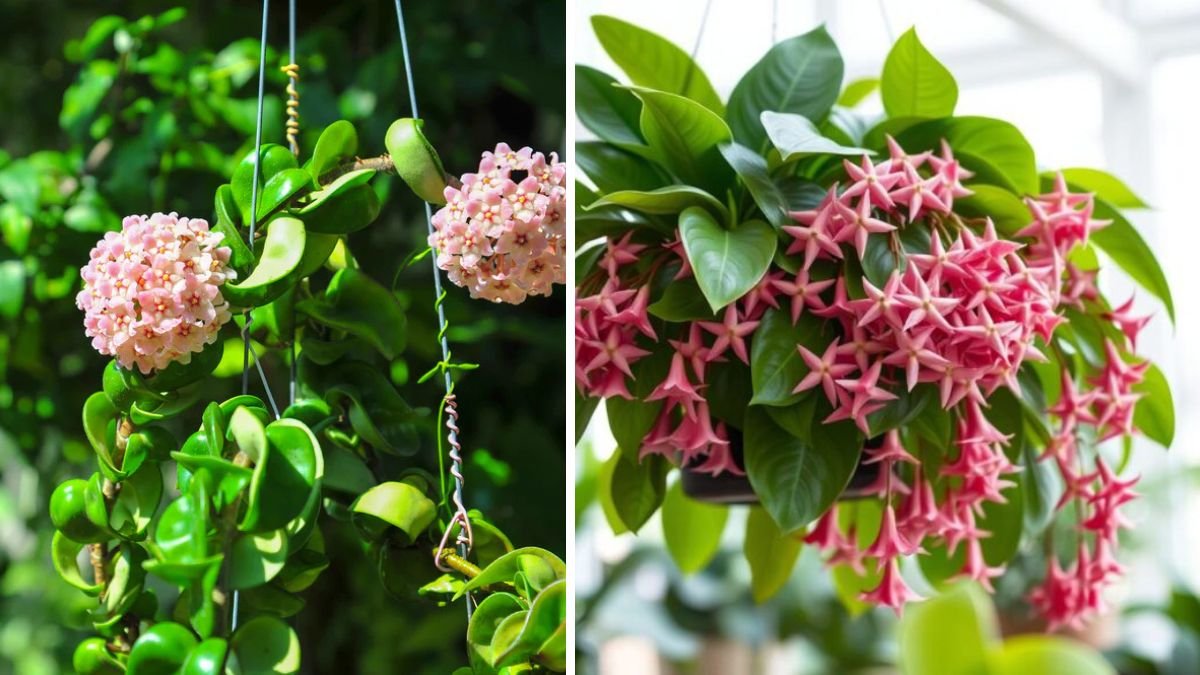
Hoya plants, commonly known as wax plants, are admired for their unique, star-shaped flowers and lush, waxy leaves. Native to tropical and subtropical regions, these hardy plants have gained immense popularity as stunning indoor decor. With the right care, they can bloom spectacularly, adding a touch of nature and beauty to your living space. This guide will take you through everything you need to know about growing Hoya wax flowers indoors, ensuring they thrive and enhance your home.
1. Understanding Hoya Wax Flowers
1.1 Botanical Overview
Latest Posts
- A Comprehensive Guide to Successfully Growing Grape Vines in Your Backyard for Beginners and Experts Alike
- Best Tips for Successful Mango Growth in Containers
- Discover the Simple Steps for Successfully Growing Coriander in a Pot
- Discovering the Ultimate Guide to Growing African Violets from Leaf Cuttings
- Simple Techniques for Successfully Growing Seedless Grapes in Home Gardens
- Ultimate Guide to Growing Balsam Plants Naturally for Vibrant Blooms
- Discover the Secrets to Growing Lush Leek Leaves with Simple Hacks for Beginners
- How to Successfully Cultivate Sweet Cherries in the Unique Climate of Canada
- The Ultimate Guide to Successfully Growing Beautiful Succulent Garden Plants at Home
- A Comprehensive Guide to Growing Dhania from Seeds for Beginners
The genus Hoya encompasses over 200 species of climbing or trailing plants in the Apocynaceae family. They are characterized by their thick, leathery leaves and clusters of fragrant flowers, which can vary in color from white to pink, red, and even yellow. Hoya plants can be epiphytes or lithophytes—growing on trees or rocks—making them well-adapted to indoor environments.
1.2 Popular Varieties
Some popular Hoya varieties that you might consider include:
- Hoya carnosa: Known for its round, thick leaves and pink flowers.
- Hoya australis: Features large, round leaves and beautiful clusters of fragrant white flowers.
- Hoya kerrii: Often referred to as the “heartleaf Hoya,” it has heart-shaped leaves, making it a favorite for gifts.
2. Choosing the Right Pot and Soil
2.1 Selecting a Pot
When choosing a pot for your Hoya plant, opt for a container with drainage holes. Hoya plants thrive in well-draining conditions, so pots made from materials like terracotta can be excellent choices due to their breathability. Consider the size of the pot: especially for younger plants, a pot that is slightly larger than the root ball is ideal.
2.2 Soil Composition
Hoya wax flowers prefer a potting mix that offers aeration and drainage. You can use a commercial potting mix designed for succulents or cacti, or create your own by combining:

- 1 part potting soil
- 1 part perlite or pumice
- 1 part orchid bark
This combination ensures good drainage while providing some organic matter for nutrition.
3. Light Requirements
3.1 Providing Adequate Light
Hoya plants thrive in bright, indirect light. Too much direct sunlight can scorch their leaves, while inadequate light can hinder blooming. Ideally, place your Hoya near a window that receives filtered light. If this isn’t possible, consider using grow lights to provide the necessary illumination.
3.2 Adjusting for Seasons
During the growing season (spring and summer), Hoya plants may benefit from more light. As fall and winter approach, you can reduce the light exposure slightly, but never allow them to sit in darkness.
4. Watering Basics
4.1 Understanding Watering Needs
One of the most critical aspects of Hoya care is understanding their watering needs. These plants enjoy moisture but do not tolerate soggy conditions. Here are some general guidelines:
- Frequency: Water when the top inch of soil feels dry. This usually means watering every 1-2 weeks, but it can vary based on environmental conditions.
- Technique: Water thoroughly until excess water drains from the pot’s bottom. Empty the saucer beneath the pot to prevent standing water.
4.2 Signs of Over and Under-Watering
- Signs of Over-Watering: Yellowing leaves, mushy stems, or mold on the soil surface.
- Signs of Under-Watering: Wrinkling or droopy leaves, dry soil, and stunted growth.
5. Humidity and Temperature Requirements
5.1 Optimal Conditions
Hoya plants enjoy moderate to high humidity levels (40-60% is ideal). If you live in a dry climate, consider using a humidifier, a pebble tray filled with water, or grouping your plants together to increase humidity.
5.2 Temperature Preferences
These plants thrive in temperatures ranging from 60°F to 80°F (15°C to 27°C). They may tolerate brief cooler temperatures but should be protected from frost, which can be detrimental.
6. Fertilizing Your Hoya
6.1 Nutritional Needs
Hoya plants are moderate feeders. Use a balanced houseplant fertilizer or one specifically formulated for orchids or flowering plants.
6.2 Fertilizing Schedule
- During the Growing Season: Fertilize every 4-6 weeks from spring to early fall.
- During Dormancy: Cut back on fertilizing during the winter months when the plant is not actively growing.
7. Pruning and Maintenance
7.1 The Importance of Pruning
Pruning helps maintain the size and shape of your Hoya plant and encourages new growth. Use clean, sharp scissors to remove:
- Dead or yellowing leaves.
- Spindly or overgrown stems.
- Spent flowers after blooming.
7.2 Repotting
Repotting should be done every 2-3 years or when the plant becomes root-bound. This is also a good time to refresh the soil, providing the plant with the necessary nutrients for growth.
8. Propagating Hoya Plants
8.1 Propagation Techniques
Hoya plants can be propagated through stem cuttings. Here’s how:
- Select Healthy Cuttings: Choose a stem with at least one leaf node.
- Prepare the Cutting: Make a clean cut just below the node.
- Allow to Callous: Let the cutting sit for a few hours to form a callous.
- Rooting Medium: Place it in water or moist soil.
- Maintain Humidity: Cover with a plastic bag or place in a greenhouse setting.
- Transplant: Once roots develop, transfer to a pot for growing.
9. Common Problems and Solutions
9.1 Pests and Diseases
- Pests: Watch for aphids, mealybugs, and spider mites. Treat infestations with insecticidal soap or neem oil.
- Fungal Issues: Ensure good air circulation to prevent issues like powdery mildew and root rot.
9.2 Troubleshooting Growth Issues
If your Hoya is not flowering, consider:
- Light levels: Ensure sufficient indirect light.
- Nutrient levels: Re-evaluate your fertilization routine.
- Pot size: Ensure you’re not root-bound.
10. Enjoying the Blooms
10.1 Timing and Expectations
Hoya blooms tend to emerge in clusters and can take a few years to develop if the plant is newly established. Patience is key, as returning blooms on established plants can be a breathtaking sight.
10.2 Caring for Blooms
After flowering, trim spent blossoms to encourage further growth. Some species may bloom several times a year, so providing an optimal environment is essential.
FAQs
1. How often should I water my Hoya plant?
Water your Hoya plant when the top inch of soil feels dry, usually every 1-2 weeks, but this can vary based on conditions.

2. Can Hoya plants grow in low-light conditions?
While they can tolerate low light, Hoya plants thrive in bright, indirect light for best growth and flowering.
3. Is my Hoya plant dormant in winter?
Hoya plants typically slow down their growth in winter and require less water and fertilizer.
4. How can I encourage my Hoya to bloom?
Provide bright, indirect light and maintain consistent watering. Patience is necessary, as some may take a while to flower.
5. What should I do if my Hoya leaves are turning yellow?
Yellowing leaves can indicate over-watering or poor drainage. Check your watering routine and ensure your pot has adequate drainage.
6. How do I propagate Hoya plants?
You can propagate Hoya plants from stem cuttings. Use cuttings with leaves and allow them to root in water or moist soil.
7. Are Hoya plants toxic to pets?
While Hoya plants are not considered highly toxic, they may cause mild stomach upset if ingested. It’s best to keep them out of reach of pets.
In summary, growing Hoya wax flowers indoors can be a rewarding experience. With the right care and attention, you can enjoy their lush foliage and stunning blossoms. Whether you’re an experienced plant parent or just starting, this guide provides you with all the essential information to keep your Hoya thriving and a beautiful addition to your home decor. Happy gardening!