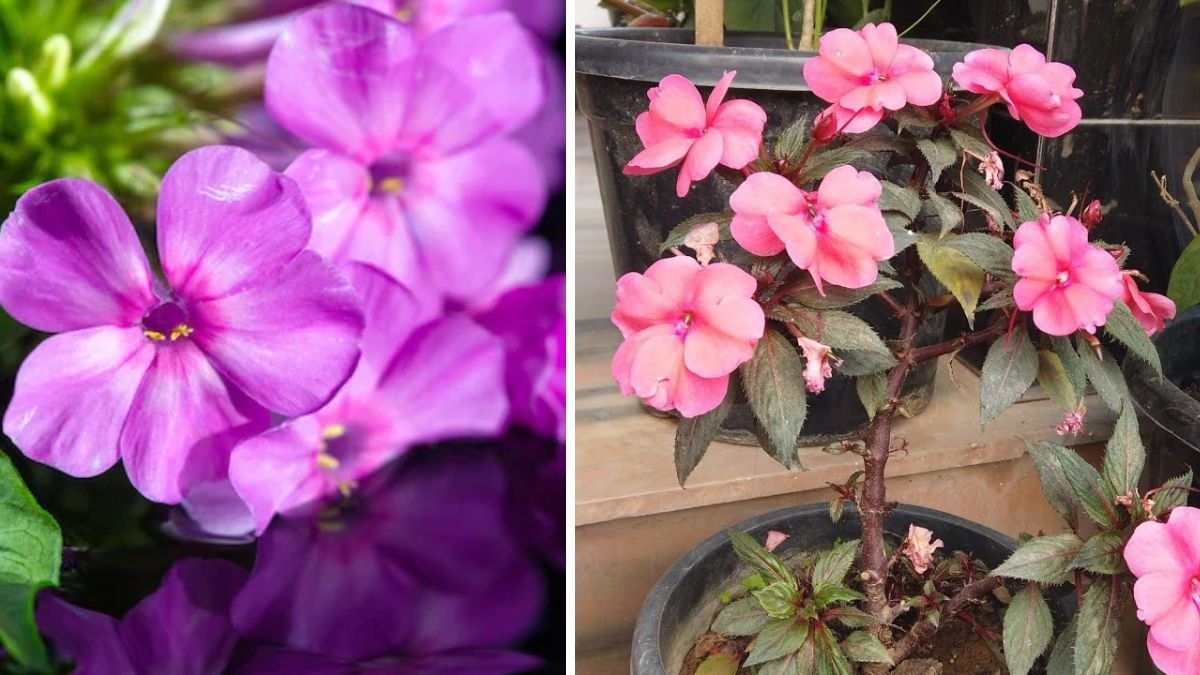
Balsam Gulmehendi, known scientifically as Impatiens balsamina, is a popular ornamental plant cherished for its colorful blooms and lush foliage. Commonly referred to as touch-me-not or garden balsam, this plant is renowned for its adaptability and ease of care, making it a favorite among indoor gardening enthusiasts. In this comprehensive guide, we’ll explore how to grow Balsam Gulmehendi indoors, ensuring a vibrant addition to your indoor garden.
1. Understanding Balsam Gulmehendi
1.1 Origin and Characteristics
Latest Posts
- A Comprehensive Guide to Successfully Growing Grape Vines in Your Backyard for Beginners and Experts Alike
- Best Tips for Successful Mango Growth in Containers
- Discover the Simple Steps for Successfully Growing Coriander in a Pot
- Discovering the Ultimate Guide to Growing African Violets from Leaf Cuttings
- Simple Techniques for Successfully Growing Seedless Grapes in Home Gardens
- Ultimate Guide to Growing Balsam Plants Naturally for Vibrant Blooms
- Discover the Secrets to Growing Lush Leek Leaves with Simple Hacks for Beginners
- How to Successfully Cultivate Sweet Cherries in the Unique Climate of Canada
- The Ultimate Guide to Successfully Growing Beautiful Succulent Garden Plants at Home
- A Comprehensive Guide to Growing Dhania from Seeds for Beginners
Balsam Gulmehendi originates from Southeast Asia and the Indian subcontinent. It thrives in tropical and subtropical climates, which gives it the potential to flourish indoors with the right conditions. The plant reaches heights of 12 to 24 inches and showcases a variety of flower colors, including pink, red, white, and purple.
1.2 Why Grow Indoors?
Growing Balsam Gulmehendi indoors offers numerous benefits:
- Year-round blooms: Indoors, you can manipulate light conditions to extend the flowering period.
- Air Quality Improvement: Indoor plants help purify the air by filtering pollutants.
- Aesthetic Appeal: They add vibrant colors and a touch of nature to your home.
2. Essential Growing Conditions
2.1 Light Requirements
Balsam Gulmehendi thrives in bright, indirect sunlight. While outdoor plants enjoy full sun, indoor plants can experience leaf burn if exposed to direct sunlight for too long. Aim for around 6 hours of indirect light per day.

2.2 Temperature
This plant prefers temperatures between 65°F and 75°F (18°C to 24°C). Keep it away from drafts and temperature fluctuations, as they can stress the plant and affect its blooming capacity.
2.3 Humidity
Balsam Gulmehendi enjoys a humid environment. If your home’s air is dry, consider using a pebble tray filled with water or a humidifier. A humidity level of 50% to 70% is ideal.
2.4 Soil
Use a well-draining potting mix that retains moisture but does not become waterlogged. A standard potting mix mixed with perlite or sand works well. The soil should have a pH level between 6.0 and 7.0.
2.5 Pot Selection
Choose a pot with drainage holes to prevent water accumulation at the bottom. A size of 6 to 10 inches is usually adequate, depending on the maturity of the plant.
3. Planting Balsam Gulmehendi
3.1 Starting from Seeds
-
Sowing: Start seeds indoors around 8 to 10 weeks before the last frost. Use seed trays filled with moist potting soil. Scatter seeds on the surface and lightly cover them with soil.
-
Watering: Keep the soil consistently moist but not soggy. Use a spray bottle to avoid disturbing the seeds.
-
Germination: Place the trays in a warm, brightly lit area. Germination usually takes 7 to 14 days.
3.2 Transplanting Seedlings
Once seedlings have developed at least two true leaves, thin them out to allow space for growth. Once they reach a height of about 4 inches, they can be transplanted into individual pots.
3.3 Cuttings
If you prefer a faster method, take cuttings from a healthy Balsam plant. Choose a stem with at least two leaves, cut it just below a node, and place it in water or moistened potting soil until roots develop.
4. Caring for Balsam Gulmehendi
4.1 Watering
Water the plant thoroughly, allowing excess water to drain through the drainage holes. For indoor Balsam, regular watering once a week is generally adequate, but always check the soil before watering. If the top inch feels dry, it’s time to water.
4.2 Fertilizing
Feed your Balsam Gulmehendi every two to four weeks with a balanced liquid fertilizer, particularly during the growing season (spring through early fall). Dilute the fertilizer to half strength to avoid over-fertilization, which can harm the plant.
4.3 Pruning
Regular pruning encourages bushier growth and more blooms. Pinch back the tips of the stems when the plant reaches about 6 inches in height. Remove faded flowers to promote new growth.
4.4 Pest Management
Indoor plants can be susceptible to pests like aphids, spider mites, and whiteflies. Regularly inspect your Balsam Gulmehendi for signs of infestation, such as wilting leaves or webbing. Use insecticidal soap or neem oil for treatment.
4.5 Disease Prevention
Overwatering can lead to root rot and fungal issues. Ensure proper drainage and avoid letting the plant sit in waterlogged soil. Provide adequate airflow around the plant to prevent mildew.
5. Supporting Plant Growth
5.1 Light Management
Use grow lights if natural sunlight is insufficient, especially during the winter months. A 12- to 14-hour light period is optimal for healthy growth.
5.2 Seasonal Considerations
While Balsam Gulmehendi can grow year-round, it may slow down during the winter months. During this time, reduce watering and fertilization, allowing the plant to rest.
6. Re-Potting
Every couple of years, or when the plant becomes root-bound, it’s essential to re-pot Balsam Gulmehendi. Choose a slightly larger pot and refresh the potting mix. This process typically occurs in the spring.
7. Harvesting Seeds
If you’d like to propagate your Balsam Gulmehendi, you can collect seeds from the matured seed pods after blooming season. Allow the pods to dry on the plant, then store them in a cool, dry place until you’re ready to plant.
8. FAQs
Q1: How often should I water my Balsam Gulmehendi?
A1: Water your plant once a week, allowing the top inch of soil to dry out before watering again.
Q2: Can Balsam Gulmehendi be grown in low light?
A2: While it prefers bright, indirect light, it can tolerate low light, but this may lead to fewer blooms.
Q3: Why are the leaves of my Balsam Gulmehendi turning yellow?
A3: Yellow leaves can indicate overwatering, underwatering, or nutrient deficiencies. Check soil moisture and consider fertilizing if needed.
Q4: Is Balsam Gulmehendi toxic to pets?

A4: Balsam Gulmehendi is considered non-toxic to pets, making it a safe choice for households with animals.
Q5: How long does it take for Balsam Gulmehendi to bloom?
A5: Flowers generally appear about 8 weeks after planting seeds, depending on care and growing conditions.
Q6: Can I grow Balsam Gulmehendi outdoors?
A6: Yes! Balsam Gulmehendi thrives outdoors in garden beds or containers in warm climates but can also be overwintered indoors in cooler regions.
Q7: Can I use Balsam Gulmehendi in arrangements?
A7: Absolutely! The colorful blooms make fantastic cut flowers for arrangements, and the plants themselves can beautify any indoor space.
Conclusion
Growing Balsam Gulmehendi indoors is a rewarding endeavor that not only brightens your home but also instills a sense of accomplishment in nurturing a living organism. With the right care, you’ll enjoy a lush, vibrant indoor garden filled with beautiful flowers. Follow this guide, and soon you’ll have thriving Balsam Gulmehendi gracing your space with color and life. Happy gardening!