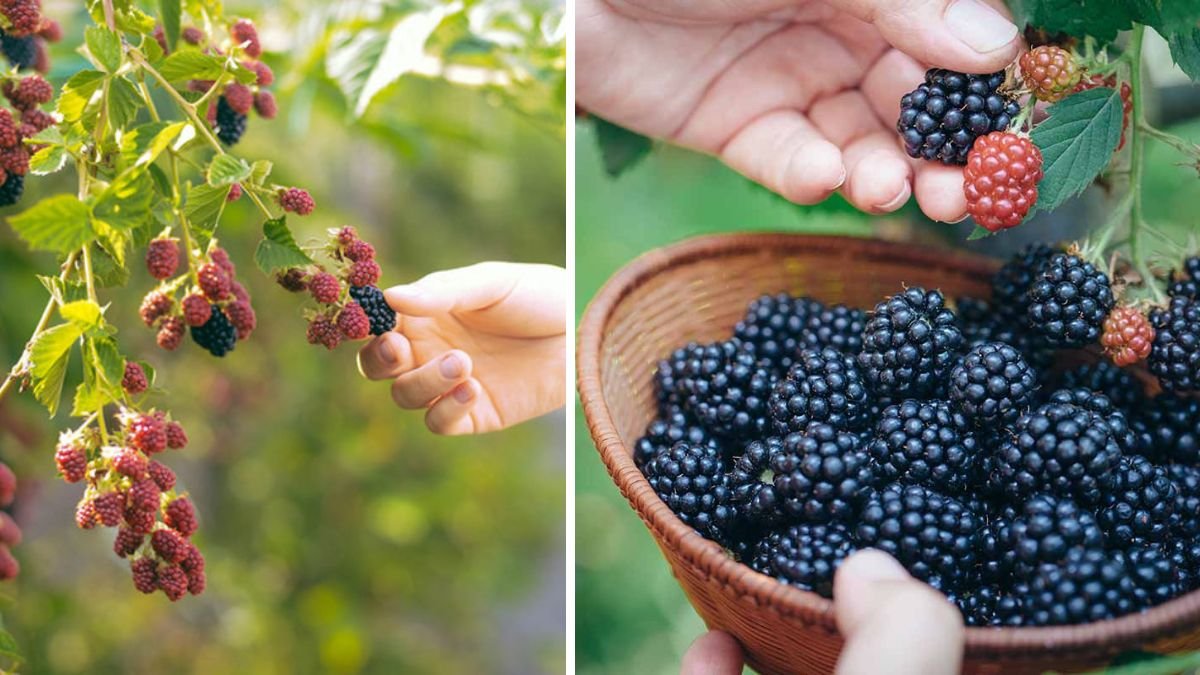
Cultivating blackberries in your home garden is a rewarding endeavor that can provide delicious fruit for years to come. Among the various blackberry varieties, the hardy blackberry stands out due to its resilience and adaptability to various climates. This guide provides a comprehensive overview of the essential steps to successfully cultivate hardy blackberries, covering everything from selecting the right variety to harvesting and maintaining your plants.
Understanding Hardy Blackberries
Characteristics of Hardy Blackberries
Latest Posts
- A Comprehensive Guide to Successfully Growing Grape Vines in Your Backyard for Beginners and Experts Alike
- Best Tips for Successful Mango Growth in Containers
- Discover the Simple Steps for Successfully Growing Coriander in a Pot
- Discovering the Ultimate Guide to Growing African Violets from Leaf Cuttings
- Simple Techniques for Successfully Growing Seedless Grapes in Home Gardens
- Ultimate Guide to Growing Balsam Plants Naturally for Vibrant Blooms
- Discover the Secrets to Growing Lush Leek Leaves with Simple Hacks for Beginners
- How to Successfully Cultivate Sweet Cherries in the Unique Climate of Canada
- The Ultimate Guide to Successfully Growing Beautiful Succulent Garden Plants at Home
- A Comprehensive Guide to Growing Dhania from Seeds for Beginners
Hardy blackberries (Rubus fruticosus) are known for their robust nature and ability to thrive in colder climates. They typically have larger fruits and are more adaptable than their tender cousins. Hardy varieties include:
- Dormanred: A thornless variety that yields large fruits.
- Chester: Known for its sweet flavor and high productivity.
- Black Satin: A semi-thornless variety that produces high-quality fruit.
Benefits of Growing Hardy Blackberries
- Versatility: Hardy blackberries can be grown in a range of climates, making them suitable for many gardeners.
- Nutritional Value: Blackberries are rich in vitamins C and K, fiber, and antioxidants.
- Low Maintenance: Once established, hardy blackberries require minimal care.
Planning Your Blackberry Patch
1. Choosing the Right Location
Select a sunny spot in your garden that receives at least 6-8 hours of sunlight each day. Ensure the area has good drainage to prevent root rot. Ideally, it should be located away from strong winds to protect the plants.

2. Soil Preparation
Blackberries prefer slightly acidic to neutral soil (pH 5.5 to 7.0). Conduct a soil test to determine its pH and nutrient levels. Amend your soil with organic matter like compost to enhance fertility and drainage.
3. Varietal Selection
Choosing the right hardy blackberry variety for your region is crucial. Research local climate conditions and select varieties known for their adaptability. Consider factors such as disease resistance and flavor preferences.
4. Planting Time
The best time to plant blackberry bushes is in early spring, just as the soil begins to warm up. This timing allows the plants to establish roots before the heat of summer sets in.
Planting Hardy Blackberries
1. Planting Method
-
Spacing: Space blackberry plants approximately 3-4 feet apart in rows that are 8-10 feet apart. This allows for adequate air circulation and future maintenance.
-
Hole Preparation: Dig holes that are about 2 feet wide and deep. Mix native soil with compost to provide nutrients.
-
Planting Technique: Place the plant in the center of the hole, ensuring that the crown (where the roots meet the stem) is level with the soil surface. Fill in the hole with the soil mixture and water thoroughly to eliminate air pockets.
2. Watering
After planting, water your blackberries consistently, ensuring the soil remains moist but not waterlogged. Water at the base of the plants to encourage deep root growth.
Caring for Hardy Blackberries
1. Mulching
Apply a layer of mulch around the plants to retain moisture, suppress weeds, and maintain soil temperature. Organic mulches like straw or wood chips work well.
2. Pruning
Pruning is critical for blackberry health and productivity.
-
Timing: Prune during late winter or early spring before new growth begins.
-
Method: Remove dead or damaged canes and thin out crowded areas to enhance air circulation. In the case of primocane varieties, cut plants to the ground every winter to promote new growth.
3. Fertilizing
Feed your plants with a balanced fertilizer (10-10-10) in early spring as new growth begins. Follow label instructions regarding the amount and frequency. An additional application after harvest can encourage healthy growth for the next season.
4. Pest and Disease Control
Be vigilant about commonly encountered pests such as:
- Spider Mites: Control with neem oil or insecticidal soap.
- Japanese Beetles: Hand-pick or use traps.
Common diseases include:
- Botrytis Blight: This grey mold thrives in wet conditions. Ensure good air circulation and avoid overhead watering to minimize risk.
Regularly inspect your plants for any signs of trouble and manage issues promptly.
Harvesting Hardy Blackberries
1. When to Harvest
Blackberries typically become ready for harvest in mid to late summer, depending on the variety. The berries should be fully ripe, plump, and darkened in color.
2. Harvesting Technique
Carefully pick the berries by gently twisting them off the stem. Use a container lined with a soft cloth to prevent bruising.
3. Post-Harvest Care
After harvesting, refrigerate the berries promptly to extend their shelf life. Blackberries can also be frozen for long-term storage.
Common Challenges in Blackberry Cultivation

1. Weather Conditions
Severe weather events may affect blackberry yields. Protect young plants from late frosts using row covers. Additionally, during extreme heat, ensure adequate watering.
2. Weeds
Weeds compete with blackberries for nutrients and water. Regularly check for weeds and remove them by hand or use mulch to suppress their growth.
3. Limited Space
If space is a concern, consider using trellises for vertical growth. This not only saves space but also enhances air circulation and makes harvesting more accessible.
FAQs
Q1: How many years do blackberry plants live?
Blackberry plants can live and produce fruit for up to 15 years when properly cared for.
Q2: Do I need more than one plant for pollination?
Most blackberry varieties, including hardy ones, are self-pollinating, so you can grow just one plant. However, planting multiple can increase fruit yield.
Q3: Can blackberries tolerate shade?
While blackberries can tolerate partial shade, they thrive best in full sun. Insufficient light can result in poor fruit production.
Q4: How do I know when to prune my blackberry plants?

Prune your blackberry plants in late winter to early spring before new growth starts. This will help promote healthier and more fruitful canes.
Q5: What is the best way to propagate blackberry plants?
Blackberries can be propagated through tip layering or by taking cuttings. For tip layering, bend the tip of a cane to the ground and cover it with soil, allowing it to root before severing it from the parent plant.
Q6: Are blackberries prone to any specific diseases?
Yes, blackberries can be susceptible to root rot, anthracnose, and powdery mildew. Ensure good airflow and proper watering practices to reduce the risk.
Q7: How can I prevent deer from eating my blackberries?
Installing fencing around your blackberry patch is an effective deterrent. You can also use deer repellents or plant certain companion plants that deer dislike.
Q8: How can I improve the yield of my blackberry plants?
Proper watering, fertilization, and pruning practices greatly enhance blackberry yields. Regularly check for pests or diseases and address issues promptly.
Conclusion
Cultivating hardy blackberries in your home garden is a fulfilling project that rewards patience with bountiful fruit. By understanding the specific needs of these resilient plants and committing to proper care, you can enjoy fresh blackberries for many seasons. Prepare your garden, select the right variety, and embark on this delightful gardening journey!