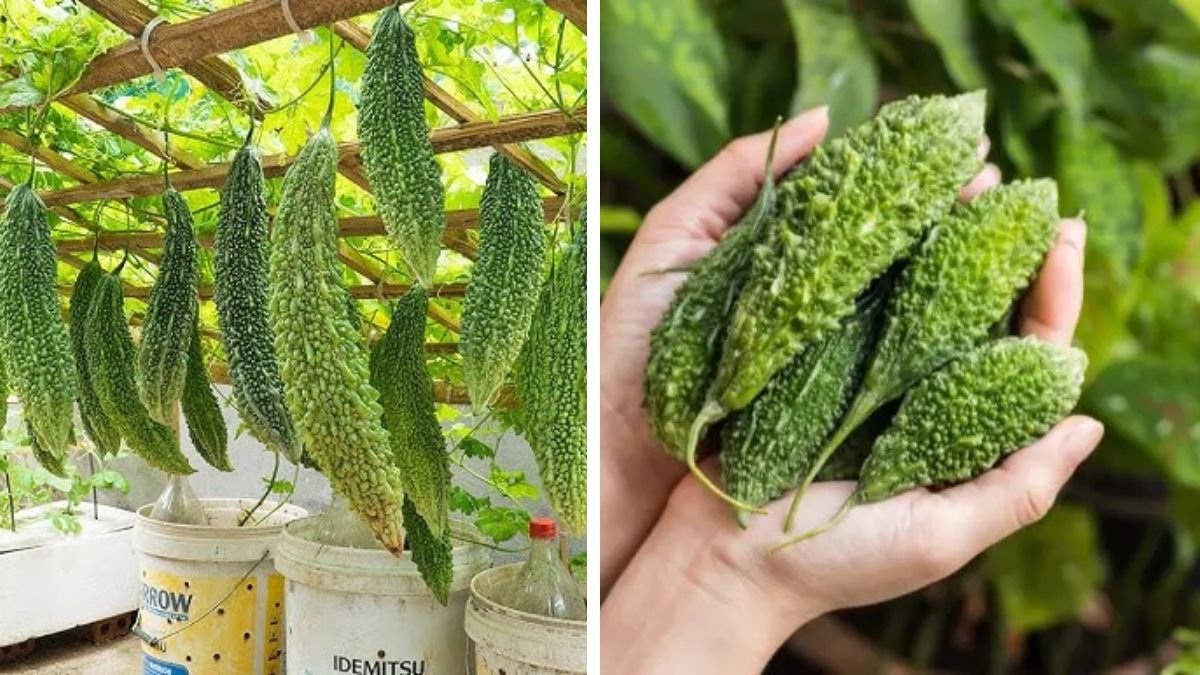
Bitter gourd, also known as bitter melon or Momordica charantia, is a unique tropical vegetable cherished not only for its culinary uses but also for its numerous health benefits. If you want to grow this nutritious plant at home, this comprehensive guide will walk you through everything you need to know—from choosing the right seeds to caring for your plants. Let’s dive into the world of bitter gourd cultivation.
What is Bitter Gourd?
Bitter gourd is a vine that produces a distinctively shaped fruit resembling a green cucumber with a bumpy surface. It has a sharp, bitter taste, which some people love and others find difficult to tolerate. Despite its bitterness, it is rich in vitamins A, C, and folic acid, along with minerals such as potassium and magnesium. In many cultures, it’s prized for its medicinal properties, particularly for managing blood sugar levels.
Latest Posts
- A Comprehensive Guide to Successfully Growing Grape Vines in Your Backyard for Beginners and Experts Alike
- Best Tips for Successful Mango Growth in Containers
- Discover the Simple Steps for Successfully Growing Coriander in a Pot
- Discovering the Ultimate Guide to Growing African Violets from Leaf Cuttings
- Simple Techniques for Successfully Growing Seedless Grapes in Home Gardens
- Ultimate Guide to Growing Balsam Plants Naturally for Vibrant Blooms
- Discover the Secrets to Growing Lush Leek Leaves with Simple Hacks for Beginners
- How to Successfully Cultivate Sweet Cherries in the Unique Climate of Canada
- The Ultimate Guide to Successfully Growing Beautiful Succulent Garden Plants at Home
- A Comprehensive Guide to Growing Dhania from Seeds for Beginners
Choosing the Right Seeds
When it comes to growing bitter gourd, the first step is selecting the right seeds. Here are some factors to consider:
1. Variety Selection
- Indian Bitter Gourd (Karela): This variety is known for its size and thickness.
- Chinese Bitter Melon: Often longer with a more pronounced ridging.
- Gourd with Fewer Seeds: Some hybrids have been developed to yield less seeds for easier consumption.
2. Source Quality
Always choose high-quality seeds from reputable suppliers to ensure good germination rates and disease resistance.
Preparing the Soil
Bitter gourd thrives in warm climates, so it’s essential to prepare the soil properly before planting. Here’s how:
1. Soil Type
- Choose loamy or sandy soil rich in organic matter. This will provide good drainage and aeration.
- A pH level of 6.0 to 6.8 is ideal.

2. Amendments
- Mix well-rotted compost or vermicompost into the soil. Aim for a ratio of 30% organic matter to 70% soil.
- Adding a balanced fertilizer can enhance growth. Look for NPK (Nitrogen, Phosphorus, and Potassium) ratios like 10-10-10.
Planting Bitter Gourd
Once the soil is ready, it’s time to plant your bitter gourd seeds. Follow these steps:
1. When to Plant
- Start planting seeds indoors about 7-8 weeks before the last frost date or directly in the garden after the risk of frost has passed.
2. Soil Temperature
- Ensure the soil temperature is between 70°F to 90°F (21°C to 32°C) for optimal germination.
3. Sowing Seeds
- Plant seeds about ½ inch deep in the soil and space them 3-4 feet apart in rows. If planting in containers, use a pot that is at least 12 inches deep.
Caring for Bitter Gourd Plants
Caring for your bitter gourd plants involves regular attention to their needs. Here are the essentials:
1. Watering

- Keep the soil consistently moist but avoid waterlogging. Water deeply once or twice a week, allowing the soil to dry slightly between watering.
2. Sunlight
- Bitter gourd requires full sun, so choose a location that receives at least 6-8 hours of direct sunlight every day.
3. Support Structures
- As a climbing vine, establish a trellis or support system for your plants. This can include wooden stakes, fences, or mesh structures to help the vines grow upwards.
4. Mulching
- Apply a 2-3 inch layer of organic mulch around the base of the plants to conserve moisture and suppress weeds.
5. Pruning
- Prune excess leaves and vines to promote better air circulation and prevent fungal diseases. Focus on removing yellowing leaves and spent flowers.
Pest and Disease Management
Bitter gourd plants can be susceptible to various pests and diseases. Here’s how to manage them effectively:
1. Common Pests
- Aphids: Use insecticidal soap or neem oil.
- Whiteflies: Remove them physically or introduce beneficial insects like ladybugs.
- Spider Mites: Keep foliage humid and treat with horticultural oils.
2. Diseases
- Powdery Mildew: Ensure good air circulation and avoid overhead watering.
- Fungal Infections: Use organic fungicides if necessary.
3. Cultural Practices
- Rotate crops and avoid planting bitter gourd in the same location year after year to reduce the risk of soil-borne diseases.
Harvesting Bitter Gourd
The timing of your harvest is vital for enjoying the best flavor and potential health benefits:
1. When to Harvest
- Harvest the fruit when it is still green and immature, usually 2 to 3 weeks after flowering. The ideal size is about 4 to 6 inches long.
2. How to Harvest
- Gently twist the fruit off the stem; avoid pulling, as this can damage the plant.
Storage of Bitter Gourd
Bitter gourd can be stored for a short period:
1. Refrigeration
- Keep harvested gourd in the fridge wrapped in a paper towel. It can stay fresh for up to a week.

2. Freezing
- For long-term storage, wash, slice, and blanch the gourds before freezing. They can last up to 6 months in the freezer.
Nutritional Benefits
Bitter gourd is a powerhouse of nutrients:
- Low in Calories: Suitable for weight management.
- Rich in Vitamins: Excellent source of vitamins A and C.
- Blood Sugar Control: May help lower blood sugar levels, making it beneficial for diabetics.
Culinary Uses
Bitter gourd can be prepared in various ways:
- Stir-fries: Sauté with spices and other vegetables.
- Juicing: Blend with carrots or apples to balance out the bitterness.
- Pickles: Can be pickled in vinegar for a tangy treat.
FAQs about Growing Bitter Gourd
Q: Can I grow bitter gourd in pots?
A: Yes, bitter gourd can be grown in pots, provided they are at least 12 inches deep and wide. Ensure the pot has adequate drainage holes.
Q: How often should I fertilize my bitter gourd plants?

A: Fertilize your plants once every 4-6 weeks using a balanced fertilizer. During flowering and fruiting, switch to a fertilizer higher in potassium.
Q: What are the best companions for bitter gourd?
A: Good companions include marigolds, corn, and beans as they can deter pests and provide beneficial support.
Q: How tall can bitter gourd plants grow?
A: Bitter gourd vines can grow quite tall, sometimes reaching up to 10 feet, so having a sturdy support structure is essential.
Q: Is it possible to grow bitter gourd indoors?
A: Yes, as long as they receive plenty of sunlight (at least 6 hours a day) and are grown in sufficient-sized containers.
Q: Why are my bitter gourd fruits turning yellow?
A: Yellowing can indicate over-ripeness, disease, or nutrient deficiencies. Monitor your plants closely and adjust care as needed.
Conclusion
Growing bitter gourd at home doesn’t have to be complicated. With the right soil, care, and techniques, you can enjoy this nutritious vegetable fresh from your garden. Whether for health benefits, culinary enjoyment, or just the satisfaction of gardening, bitter gourd is a rewarding addition to your home gardening repertoire. Happy gardening!