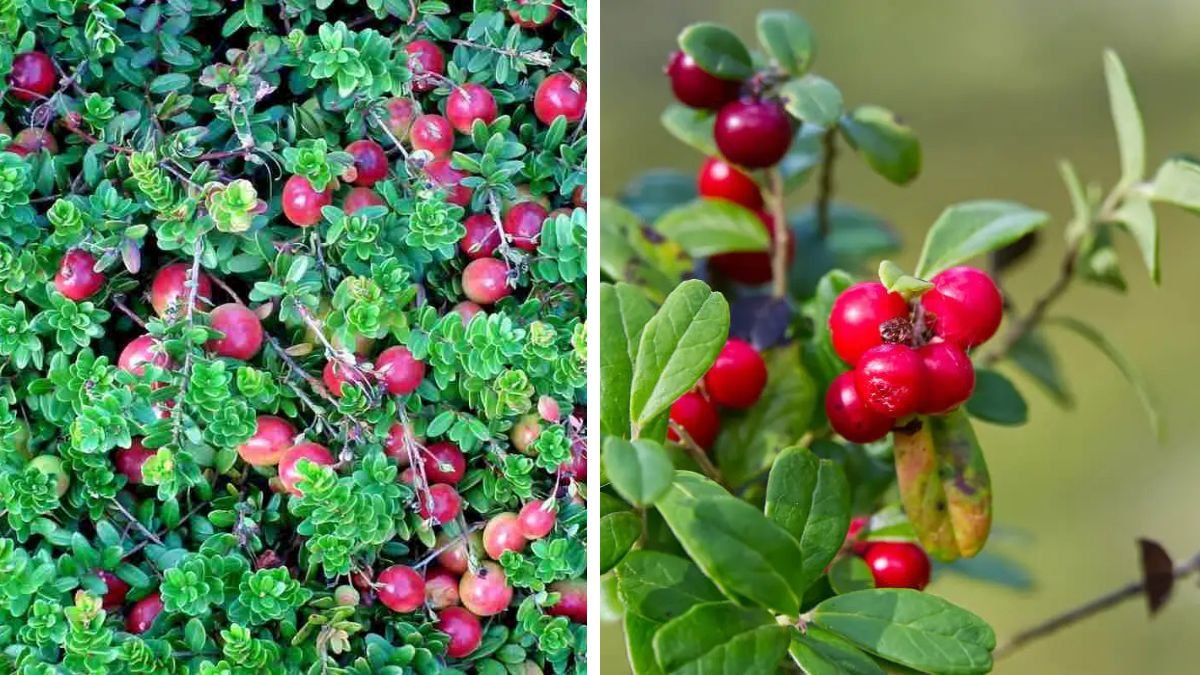
Cranberries are a beloved fruit in Canada, known for their distinct tart flavor and vivid red color. As a grower, understanding how to cultivate cranberries effectively in Canadian climates is crucial not just for ensuring a fruitful harvest, but also for maximizing yield. This article will cover the effective techniques for cultivating cranberries, focusing on soil preparation, planting, irrigation, disease control, and harvesting methods appropriate for varying Canadian climates.
Understanding the Canadian Climate
Before diving into cultivation techniques, it is important to understand the Canadian climate influences on cranberry farming. Canada experiences a wide range of climatic conditions, from the coastal regions of British Columbia to the cold interiors of central and eastern Canada. Cranberries thrive best in regions with:
Latest Posts
- A Comprehensive Guide to Successfully Growing Grape Vines in Your Backyard for Beginners and Experts Alike
- Best Tips for Successful Mango Growth in Containers
- Discover the Simple Steps for Successfully Growing Coriander in a Pot
- Discovering the Ultimate Guide to Growing African Violets from Leaf Cuttings
- Simple Techniques for Successfully Growing Seedless Grapes in Home Gardens
- Ultimate Guide to Growing Balsam Plants Naturally for Vibrant Blooms
- Discover the Secrets to Growing Lush Leek Leaves with Simple Hacks for Beginners
- How to Successfully Cultivate Sweet Cherries in the Unique Climate of Canada
- The Ultimate Guide to Successfully Growing Beautiful Succulent Garden Plants at Home
- A Comprehensive Guide to Growing Dhania from Seeds for Beginners
- Cool summers and cold winters: Cranberries require a dormant period for effective growth.
- Adequate moisture: They flourish in wetlands and require consistent watering.
- Well-drained acidic soils: The ideal pH level for cranberries is between 4.0 and 5.5.
These climatic conditions can vary greatly, making it necessary to adopt flexible cultivation techniques.
1. Selecting the Right Variety
Choosing the right cranberry variety is critical to one’s success. Some popular varieties suitable for Canadian conditions include:
- ‘Stevens’: Strong disease resistance and exceptionally good fruit quality.
- ‘Early Black’: Early ripening and good for northern climates.
- ‘Ben Lear’: Known for high yield and adaptability.
Selecting varieties tailored to your regional climate and market preference can dramatically influence yield.
2. Soil Preparation
2.1 Soil Testing
Before planting cranberries, soil testing is essential. Understanding the current pH, nutrient levels, and organic matter content will help in amending the soil appropriately to provide the best possible growing conditions.

2.2 Amending Soil
Cranberries prefer acidic, sandy soils. To create the ideal growing environment:
- Adjust pH: Use sulfur or organic matter to lower pH if necessary.
- Organic Matter: Incorporate peat moss or well-rotted manure to improve soil structure and nutrient content.
2.3 Tilling
Soil preparation should involve tilling to a depth of about 6 inches. This improves aeration and prepares the ground for planting. Be careful not to compact the soil, as cranberries require well-draining soil conditions.
3. Planting Techniques
3.1 Timing
The best time to plant cranberries in Canada is in the spring (April to May) after the last frost. In some warmer regions, fall planting can also be successful.
3.2 Methods
Cranberries can be planted using two methods:
-
Transplanting: Young plants or cuttings can be transplanted into the prepared beds. This method is labor-intensive but allows for better plant establishment.
-
Layering: Cranberry beds can be created by layering sod, which encourages rooting and rapid establishment.
3.3 Bed Preparation
Cranberries are usually grown in beds raised about 10–12 inches. This drainage helps prevent the root systems from being waterlogged, which is crucial for plant health.
4. Irrigation
4.1 Water Requirement
Cranberries require a consistent water supply, particularly during flowering and fruiting. Depending on the nature of the soil and weather conditions, aim for approximately 1-2 inches of water per week.
4.2 Irrigation Systems
Consider utilizing an overhead irrigation system, which can:
- Protect plants from frost during critical growth stages.
- Leverage water for weed control.
Ensure that the system can deliver precise amounts of moisture evenly to all plants.
5. Pest and Disease Management
5.1 Integrated Pest Management (IPM)
Adopting an Integrated Pest Management (IPM) approach is highly beneficial. This method includes:
- Monitoring: Regularly check for signs of pests and diseases.
- Cultural Controls: Rotate crops, manage water levels to deter pests, and introduce predatory species.
- Chemical Controls: Use pesticides as a last resort and select those approved for use on cranberries.
5.2 Common Pests and Diseases
Be aware of common pests such as:
- Cranberry weevil
- Root maggot
Diseases to monitor include:
- Fruit rot
- Botrytis blight
Regular crop rotation and maintaining good orchard hygiene can significantly reduce disease incidence.
6. Fertilization
6.1 Nutrient Requirements
Cranberries require a unique balance of nutrients:
- Nitrogen: Crucial for leaf growth.
- Phosphorus: Important for root development and flowering.
- Potassium: Essential for fruit quality and plant hardiness.
6.2 Fertilizer Application
Use a fertilizer with low phosphorus to maintain pH levels. Organic options such as fish emulsion or seaweed extracts can also enhance growth without overly acidifying the soil.
6.3 Timing
Apply fertilizers at the beginning of the growing season and again after harvest for best results.

7. Harvesting Techniques
7.1 Timing the Harvest
Cranberries are usually ready for harvest in late September to early October. The ideal time to pick is when the berries have turned a bright red color and have a slight bounce when pressed.
7.2 Harvesting Methods
Two primary harvesting methods are used:
-
Dry harvesting: Berries are picked individually by hand or with mechanical harvester. This method is ideal for fresh market production.
-
Wet harvesting: Involves flooding the beds and using a harvester to dislodge berries into the water. This method is efficient for commercial production.
7.3 Post-Harvest Management
After harvesting, it’s essential to sort through the cranberries for quality, and store them in cooler conditions to maintain freshness.
8. Maintenance Throughout the Growing Season
8.1 Weeding and Mulching
Regular weeding is necessary to minimize competition for nutrients and water. Applying mulch around the plants can suppress weeds while maintaining soil moisture.
8.2 Pruning
Regular pruning helps maintain excellent air circulation and helps manage vine growth. Thin out older growth to encourage better fruit production in younger plants.
Conclusion
Cultivating cranberries in Canadian climates offers a rewarding opportunity for farmers, particularly when employing effective techniques aimed at maximizing yield. By understanding the unique climate conditions, selecting the right varieties, ensuring proper soil management, and maintaining rigorous pest and disease strategies, growers can ensure a fruitful harvest year after year.

FAQs
1. What is the best time to plant cranberries in Canada?
The ideal time is in the spring (April to May) after the last frost. In some warmer regions, fall planting can also be effective.
2. How can I improve soil for cranberries?
Soil should be acidic (pH 4.0–5.5), well-drained, and rich in organic matter. Amending with sulfur and peat moss can help achieve this.
3. What pests should I be aware of?
Common pests include cranberry weevils and root maggots. Adopting an Integrated Pest Management strategy is crucial.
4. How much water do cranberries need?
Aim for about 1-2 inches of water per week, particularly during flowering and fruiting stages.
5. What’s the ideal harvesting method for cranberries?
Both dry and wet harvesting methods are effective. Choose based on whether you wish to sell fresh or processed cranberries.
6. How can I ensure my cranberries are disease-free?
Regular monitoring, crop rotation, and maintaining good orchard hygiene are essential in preventing diseases like fruit rot and Botrytis blight.
By effectively implementing these techniques, cranberry growers in Canada can achieve maximum yields and produce high-quality fruit for both local and broader markets.