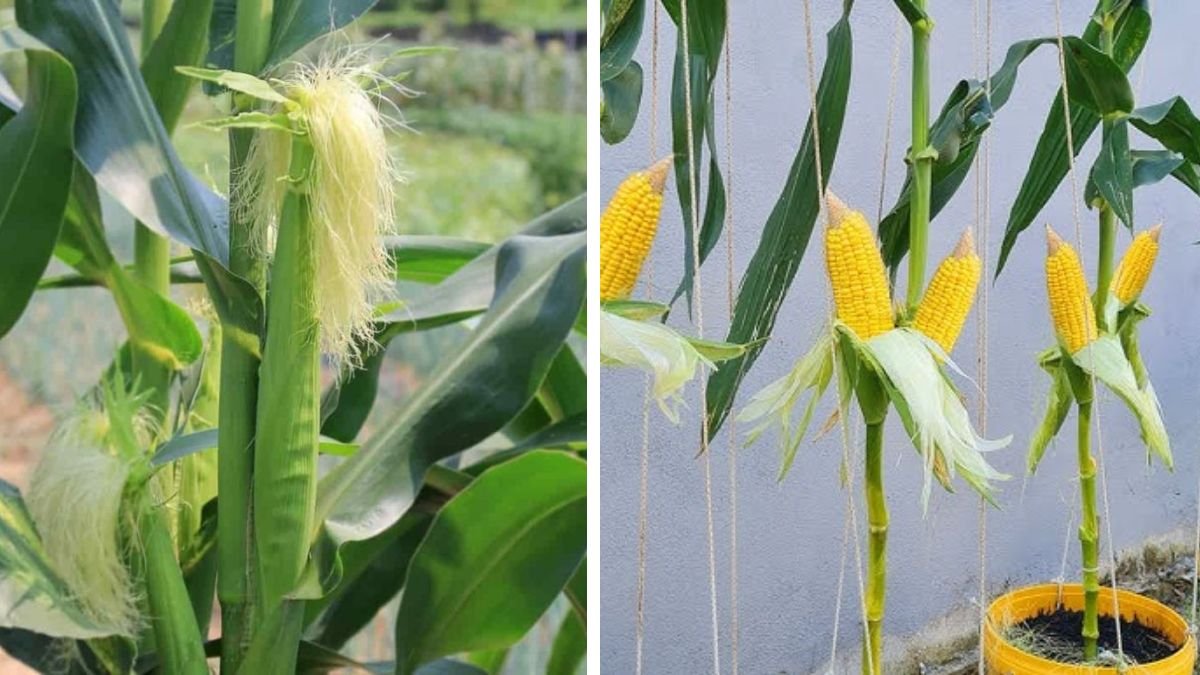
Growing maize (corn) in pots is an excellent way to enjoy this versatile crop, even if you have limited space. Whether you’re an urban gardener or looking to maximize your harvest in a small plot, growing maize in a pot can be both rewarding and productive. This article will guide you through the essential steps and provide useful tips for achieving maximum yield.
Understanding Maize
Maize, or corn, is a cereal grain first domesticated by indigenous peoples in southern Mexico about 10,000 years ago. It is a warm-season crop that thrives under the right conditions: sunlight, warmth, and ample moisture. Growing maize in pots is a manageable way to reap the benefits of this nutritious grain, which serves as food for humans and livestock, and is integral to many industrial processes.
Latest Posts
- A Comprehensive Guide to Successfully Growing Grape Vines in Your Backyard for Beginners and Experts Alike
- Best Tips for Successful Mango Growth in Containers
- Discover the Simple Steps for Successfully Growing Coriander in a Pot
- Discovering the Ultimate Guide to Growing African Violets from Leaf Cuttings
- Simple Techniques for Successfully Growing Seedless Grapes in Home Gardens
- Ultimate Guide to Growing Balsam Plants Naturally for Vibrant Blooms
- Discover the Secrets to Growing Lush Leek Leaves with Simple Hacks for Beginners
- How to Successfully Cultivate Sweet Cherries in the Unique Climate of Canada
- The Ultimate Guide to Successfully Growing Beautiful Succulent Garden Plants at Home
- A Comprehensive Guide to Growing Dhania from Seeds for Beginners
Advantages of Growing Maize in Pots
- Space Utilization: Ideal for urban areas or small gardens where space is limited.
- Mobility: Pots can be moved to optimize sun exposure and protect from adverse weather.
- Soil Control: Easier to manage soil quality, avoiding issues like compaction and contamination.
- Pest Management: Pots elevate plants off the ground, reducing pests and diseases.
Selecting the Right Pot
Size
Choose a pot that is at least 12-18 inches deep and wide to allow for proper root development. Maize has a relatively deep root system, so a container that provides ample space is crucial for its growth.

Material
Opt for pots made of materials that insulate well, such as ceramic, plastic, or fiberglass. Ensure that the pots have drainage holes to prevent waterlogging, which can lead to root rot.
Type of Soil
A mixture of potting soil, compost, and sand works best for growing maize. This blend will provide adequate drainage while retaining the necessary moisture and nutrients.
Preparing to Plant
Choosing Seeds
Select high-yield hybrid maize seeds suited for container growing. Look for varieties labeled as ‘dwarf’ or ‘mini,’ as they are often more compact and better adapted to pot culture.
Germination
Start seeds indoors or directly in pots. If starting indoors, use seed trays or smaller pots. Plant seeds about 1 inch deep. Germination usually takes about 7-10 days at temperatures between 60°F and 95°F.
Optimal Planting Time
Maize is a warm-season crop. The ideal time to plant is when the soil temperature reaches at least 60°F. Depending on your climate, this could be late spring to early summer.
Planting Process
- Fill the Pot: Fill your chosen pot with the soil mix, leaving about 1 inch of space from the top to allow for watering.
- Water Thoroughly: Before planting, water the soil until it’s evenly moist but not soggy.
- Plant Seeds: Plant 2-3 seeds per pot to ensure at least one germinates. After germination, thin the plants to the strongest one or two.
- Spacing: If planting multiple pots, ensure they are spaced at least 12 inches apart to provide adequate airflow.
Watering and Nutrient Requirements
Watering
Maize requires consistent moisture, especially during germination and the early growth stages. Water deeply but infrequently to encourage deep root growth. Aim to keep the soil consistently moist but not waterlogged. Adjust watering frequency based on rainfall and temperature.
Fertilizing
Fertilization is vital to maximize yield. Use a balanced fertilizer with a ratio like 10-10-10 (N-P-K) during the initial growth stages. Once the plants reach about 6-12 inches, switch to a nitrogen-rich fertilizer to promote leaf growth. Follow the manufacturer’s instructions regarding application rates and frequency.
Light Requirements
Maize requires full sun to thrive, so position your pots in a location that receives at least 6-8 hours of direct sunlight daily. If sunlight is limited, consider using grow lights to supplement natural light.
Pest and Disease Management
Pests such as aphids, corn borers, and beetles can affect maize plants. Regularly inspect your plants for any signs of infestation. Organic pesticides, such as neem oil, can be effective and safe for edible plants.
Common diseases include gray leaf spot and rust. Good air circulation and proper watering techniques can help prevent many diseases. Remove any affected leaves promptly.
Harvesting Maize
Maize is typically ready for harvest between 60 to 100 days after planting, depending on the variety. Look for the following signs to determine if your maize is ready:
- Silks Turn Brown: The silk strands on the ears will turn brown and dry out.
- Kernels: Grab an ear and press a kernel. If it’s plump and milky, it’s time to harvest. If it produces clear fluid, leave it longer.
Use a sharp knife or scissors to cut the ears from the stalk.
Conclusion
Growing maize in pots is an enjoyable and fulfilling experience, providing delicious yields even in small spaces. With proper planning, care, and attention to detail, you can enhance your chances of a bountiful harvest. Whether you desire fresh ears of corn for summer barbecues or want to experiment with unique maize varieties, pot cultivation can meet your needs.
FAQs
1. Can I grow maize in any climate?
Maize thrives in warm climates. If you live in a cooler area, consider starting seeds indoors before transplanting them outside once it’s warm enough.
2. How many maize plants can I grow in one pot?
For optimal growth, plant 2-3 seeds per pot and then thin them down to the strongest one or two plants after germination.
3. How often should I water my maize plants?
Water deeply but infrequently to encourage deep root growth. Keep the soil consistently moist, especially during germination stages.
4. What should I do if my maize plants are infested with pests?

Inspect your plants regularly and remove any affected parts. Utilize organic pesticides like neem oil if necessary.
5. Can I grow maize in a balcony or small porch?
Yes, maize can thrive in pots on balconies or porches, as long as they receive sufficient sunlight (6-8 hours daily).
6. How long does it take for maize to grow from seed to harvest?
Generally, maize takes between 60 to 100 days to grow from seed to harvest, depending on the variety.
7. What type of fertilizer should I use for maize plants?
A balanced fertilizer with ratios like 10-10-10 or a nitrogen-rich fertilizer can support healthy growth.
By following these guidelines and tips, you can successfully grow maize in pots for maximum yield and enjoy the fruits of your labor! Happy gardening!