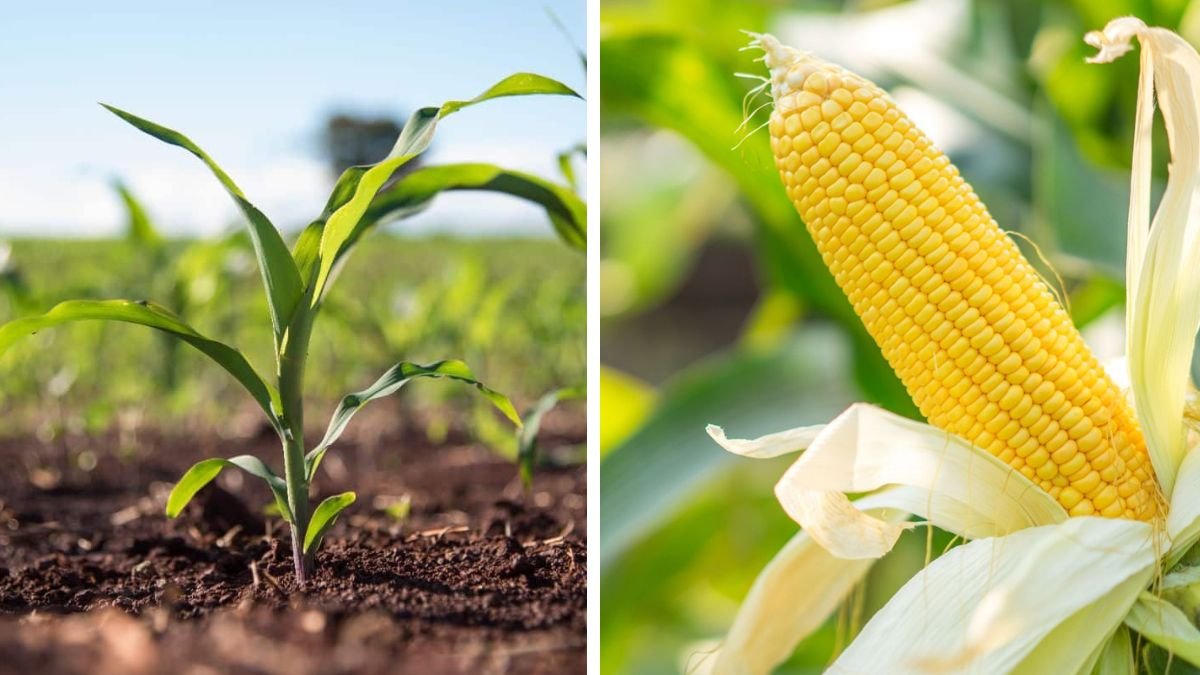
Growing sweet corn in your backyard garden is a rewarding endeavor that allows you to enjoy the freshest and tastiest corn possible right from your own yard. This delightful vegetable, with its bright golden kernels, can be a highlight of summer dinners, barbecues, and backyard gatherings. But how do you ensure that your sweet corn grows successfully? This article will cover everything you need to know about growing sweet corn, from selecting the right variety to harvesting your crop.
Understanding Sweet Corn
Sweet corn, botanically known as *Zea mays**, is different from field corn, which is primarily used for animal feed and processed food products. Sweet corn is harvested while the kernels are immature, resulting in the sweet taste and chewy texture that many love. The flavor profile of sweet corn tends to degrade shortly after harvesting, making it all the more essential to grow your own.
Latest Posts
- A Comprehensive Guide to Successfully Growing Grape Vines in Your Backyard for Beginners and Experts Alike
- Best Tips for Successful Mango Growth in Containers
- Discover the Simple Steps for Successfully Growing Coriander in a Pot
- Discovering the Ultimate Guide to Growing African Violets from Leaf Cuttings
- Simple Techniques for Successfully Growing Seedless Grapes in Home Gardens
- Ultimate Guide to Growing Balsam Plants Naturally for Vibrant Blooms
- Discover the Secrets to Growing Lush Leek Leaves with Simple Hacks for Beginners
- How to Successfully Cultivate Sweet Cherries in the Unique Climate of Canada
- The Ultimate Guide to Successfully Growing Beautiful Succulent Garden Plants at Home
- A Comprehensive Guide to Growing Dhania from Seeds for Beginners
Benefits of Growing Sweet Corn
- Flavor: Homegrown sweet corn tastes far superior to what you find in stores, as the corn can be consumed immediately after harvest.
- Variety: You can choose from numerous varieties, including sugary enhanced, supersweet, and regular sweet corn.
- Sustainability: Growing your own corn reduces reliance on commercial agriculture, benefiting both the environment and your wallet.
- Culinary Versatility: Sweet corn can be used in salads, grilled, boiled, or even made into corn salsa or cornbread.
Choosing the Right Variety
Selecting the correct variety of sweet corn is crucial for achieving the best results. Here are some popular types to consider:
- Sugar Buns: A fast-growing variety, this corn has a sweet, crisp kernel and is ready for harvest in about 68 days.
- Golden Zinger: Known for its rich flavor and tender texture, it produces large ears and matures in approximately 74 days.
- Silver Queen: This supersweet variety has a creamy flavor and takes around 85 days to mature.
- Prelude: An early maturing type that ripens in about 65 days, Prelude is ideal for cooler regions.

When selecting a variety, consider your local climate, soil conditions, and the time you have available for gardening. Seek local advice or consult your local agriculture extension office for recommendations tailored to your area.
Planning Your Garden Space
Sweet corn requires plenty of sunlight and space to grow. Here are some guidelines to help you effectively plan your garden space:
- Sunlight: Sweet corn thrives in full sunlight, so choose a location that receives at least 6-8 hours of direct sunlight daily.
- Soil Preparation: Sweet corn prefers well-draining, loamy soil with a pH between 6.0 and 6.8. Before planting, amend your soil with organic matter such as compost to improve nutrient availability.
- Spacing: Corn plants are wind-pollinated and thus should be planted in blocks rather than rows. A plot of 4×4 feet can yield a good harvest. Space plants about 12 inches apart within rows, with 24-30 inches between rows.
Planting Sweet Corn
Timing is essential when it comes to planting sweet corn. Here’s how to do it right:
- When to Plant: Wait until all danger of frost has passed and soil temperatures reach about 60°F. This typically falls between late April and early June, depending on your location.
- How to Plant:
- Dig a hole about 1-2 inches deep.
- Place 2-3 seeds in each hole for insurance, as not all seeds will germinate.
- Cover with soil and water gently but don’t drown the seeds.

Maintain consistent moisture in the soil, especially during germination.
Caring for Sweet Corn
Once your corn is planted, you need to provide ongoing care to ensure a healthy crop.
Watering
Sweet corn requires about 1-1.5 inches of water per week, especially during tasseling and ear formation. Water at the base of the plants to avoid fungal diseases and encourage deep root growth.
Fertilizing
Corn is a heavy feeder and benefits from well-balanced fertilizers. Apply a nitrogen-rich fertilizer at planting and again when plants reach about knee-height. A side dressing of compost can also provide needed nutrients.
Weed Control
Weeds compete for nutrients and water, so regular weeding is vital. Use mulch to suppress weed growth and retain soil moisture. Be cautious when hoeing around the plants; corn has shallow roots, and you can easily disturb them.

Pest and Disease Management
Common pests include corn earworms and aphids. You can manage these through organic means such as neem oil or by introducing beneficial insects like ladybugs. Monitor your plants regularly for signs of disease, such as rust or blight, and take action as needed.
Pollination and Care During Growth
Corn requires pollination for ear development, and this is typically facilitated by wind. However, you can improve pollination rates by gently shaking the plants or planting in blocks to promote better air circulation.
Supporting Your Plants
As corn grows tall, it may require some support, especially in windy conditions. If your plants are particularly tall or if you live in a windy area, consider using stakes or supporting them in other ways.
Harvesting Sweet Corn
Sweet corn is typically ready for harvest when the silks turn brown and dry out, usually around 18-24 days after the silk appears. Here’s how to tell when your corn is ready:
- Feel the kernels through the husk— they should be plump.
- Ear Size: Ears should be full and well-formed.
- Taste Test: Pull back the husk and sample a kernel; it should be sweet and tender.

To harvest, twist the ear off the stalk. Do this early in the morning for the sweetest flavor, as sugar in corn begins to convert to starch shortly after being picked.
Storing Your Corn
For the best flavor, consume sweet corn as soon as possible after harvest. If you must store it, keep ears in a paper bag in the refrigerator for up to five days. You can also freeze corn for later use by blanching it first, which helps preserve flavor and texture.
Common Challenges
Like any gardening endeavor, there can be challenges when growing sweet corn:
- Inconsistent Pollination: This can lead to poorly filled ears. Planting in blocks rather than rows can help.
- Pests: Keep an eye on pests and take quick action to mitigate infestations.
- Weather Issues: Extreme heat or heavy rain can affect growth, so plan your planting according to your local climate.
FAQs
1. How much space do I need to grow sweet corn?
You can grow a small patch of sweet corn in a 4×4-foot space, but a larger area will yield more. Ideally, plant in blocks with at least 4 rows.
2. When should I plant sweet corn?

Plant sweet corn after the danger of frost has passed and when soil temperatures reach at least 60°F. This is typically between late April and early June.
3. How do I know when my sweet corn is ripe?
Sweet corn is ripe when the silks have turned brown and dried out. The kernels should feel plump and sweet.
4. What pests should I watch for when growing sweet corn?
Common pests include corn earworms and aphids. Monitoring regularly and using organic pest control methods can help mitigate infestations.
5. Can I grow sweet corn in pots?
While it’s best to grow sweet corn directly in the ground, it’s possible to grow it in large pots if space is limited. Ensure each plant has adequate water and nutrients.
6. How should I store freshly harvested corn?
For the best flavor, consume sweet corn immediately. If you need to store it, keep it in a paper bag in the refrigerator for up to five days, or freeze it after blanching.
By following these guidelines and tips, you’ll be well on your way to a successful sweet corn harvest right from your backyard garden. Enjoy the flavors of summer!