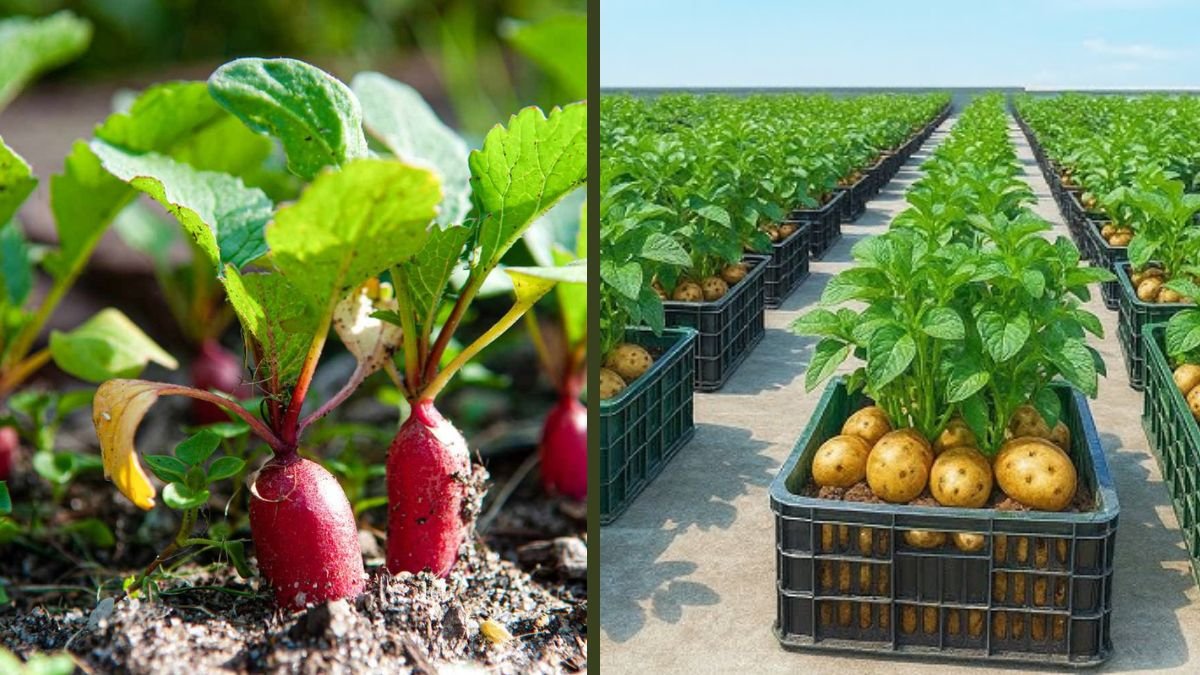
Introduction: Why Grow Easy Vegetables at Home
Home gardening is rewarding and ensures fresh, chemical-free produce. Growing vegetables at home saves money and promotes healthy eating. Choosing easy-to-grow varieties encourages beginners and children to participate. These vegetables require minimal care, grow quickly, and are loved by the whole family. In this guide, we explore simple crops, planting techniques, care tips, and harvest suggestions. By cultivating these vegetables, you can enjoy fresh meals year-round.
Benefits of Growing Vegetables at Home
Homegrown vegetables are healthier, fresher, and more flavorful than market produce. They are free from harmful chemicals and pesticides. Gardening encourages family bonding and teaches children about food sources. Fresh vegetables improve immunity, digestion, and overall health. Growing your own produce reduces dependency on supermarkets. It also allows experimentation with new flavors and cooking techniques.
Choosing Easy Vegetables
Select vegetables that are fast-growing, low-maintenance, and resistant to pests. Examples include spinach, tomatoes, beans, carrots, and radishes. Leafy greens and herbs grow well in containers or small plots. Prioritize varieties suitable for local climate and soil conditions. High-yield, compact vegetables maximize small backyard spaces. Choosing easy vegetables increases chances of gardening success for beginners.

Preparing Soil for Vegetables
Loosen soil to improve aeration and drainage. Mix in compost or organic manure to enrich nutrients. Maintain slightly acidic to neutral pH depending on vegetable type. Remove stones, weeds, and debris before planting. Raised beds or containers work well for urban gardening. Proper soil preparation ensures strong roots and healthy, productive plants.
Planting Seeds and Seedlings
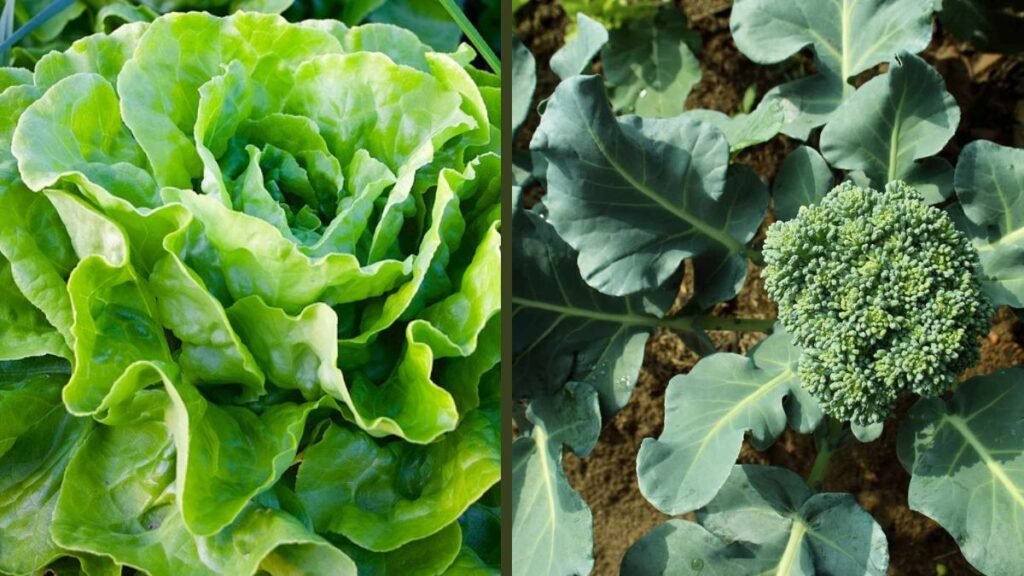
Sow seeds directly in soil or start seedlings in trays. Follow spacing recommendations for each vegetable. Thin seedlings to ensure adequate airflow and growth space. Transplant seedlings carefully to avoid root damage. Water gently after planting to maintain soil moisture. Correct planting ensures early germination and strong plant development.
Latest Posts
- A Comprehensive Guide to Successfully Growing Grape Vines in Your Backyard for Beginners and Experts Alike
- Best Tips for Successful Mango Growth in Containers
- Discover the Simple Steps for Successfully Growing Coriander in a Pot
- Discovering the Ultimate Guide to Growing African Violets from Leaf Cuttings
- Simple Techniques for Successfully Growing Seedless Grapes in Home Gardens
- Ultimate Guide to Growing Balsam Plants Naturally for Vibrant Blooms
- Discover the Secrets to Growing Lush Leek Leaves with Simple Hacks for Beginners
- How to Successfully Cultivate Sweet Cherries in the Unique Climate of Canada
- The Ultimate Guide to Successfully Growing Beautiful Succulent Garden Plants at Home
- A Comprehensive Guide to Growing Dhania from Seeds for Beginners
Watering Tips
Vegetables need consistent moisture but not waterlogging. Water early in the morning to prevent evaporation. Mulch around plants to retain soil moisture. Use drip irrigation or watering cans for controlled application. Leafy vegetables need more frequent watering than root crops. Proper hydration leads to faster growth and higher yields.

Fertilization and Nutrition
Apply organic fertilizers like compost, vermicompost, or liquid manure. Use balanced nutrients with nitrogen for leafy growth and phosphorus-potassium for roots and fruits. Avoid excessive chemical fertilizers, which may harm soil and taste. Fertilize every 2–3 weeks during active growth. Proper nutrition improves flavor, size, and quantity of vegetables.
Sunlight Requirements
Most vegetables require 4–6 hours of sunlight daily. Leafy greens tolerate partial shade, while fruiting vegetables need full sun. Arrange containers or raised beds to ensure uniform sunlight. Rotate plants periodically for even growth. Adequate sunlight ensures vibrant color, flavor, and nutrient density.
Pest and Disease Management
Common pests include aphids, caterpillars, and whiteflies. Use organic sprays, neem oil, or companion planting for prevention. Remove infected leaves promptly. Keep garden clean and avoid stagnant water. Regular inspection reduces loss and ensures healthy harvest. Healthy plants resist diseases better and produce higher yields.
Harvesting Tips
Harvest vegetables when mature but still tender. Leafy greens are ready in 3–6 weeks, root vegetables in 6–10 weeks, and fruits like tomatoes in 8–12 weeks. Use clean scissors or knives to avoid plant damage. Frequent harvesting encourages continuous growth. Proper timing ensures the best taste and nutrient content.
Easy Leafy Greens to Grow
Spinach, lettuce, kale, and fenugreek grow quickly and are loved by all family members. Sow seeds in shallow trays or garden beds. Provide adequate water and partial sunlight. Harvest outer leaves regularly to encourage regrowth. Leafy greens are versatile in salads, soups, and stir-fries.
Easy Fruiting Vegetables
Tomatoes, bell peppers, and beans are beginner-friendly fruiting vegetables. Use trellises or cages for climbing varieties. Water and fertilize consistently for high yield. Pick fruits at peak ripeness for maximum flavor. Fruiting vegetables add color and nutrition to family meals.

Easy Root Vegetables
Carrots, radishes, and beets grow well in loose, sandy soil. Thin seedlings for proper spacing. Water consistently to avoid cracking. Harvest when roots are tender and firm. Root vegetables are versatile in salads, soups, and snacks.
Herbs That Are Simple to Grow
Basil, mint, coriander, and parsley are easy herbs loved by families. Grow in pots or garden edges. Harvest leaves regularly to encourage new growth. Herbs enhance the flavor of home-cooked meals. Fresh herbs are more aromatic and flavorful than store-bought.
Succession Planting for Continuous Supply
Plant new seeds every 2–3 weeks to ensure continuous harvest. Staggering crops avoids empty garden space. Monitor soil fertility and water needs. Continuous planting ensures fresh vegetables year-round. Succession planting maximizes small backyard areas.

Companion Planting Benefits
Plant compatible vegetables together to deter pests naturally. Examples: carrots with onions, beans with corn. Companion planting improves yield, soil health, and pest resistance. Avoid planting conflicting crops close together. Strategic planning enhances garden productivity.
Table: Easy-to-Grow Vegetables and Growth Time
| Vegetable | Growth Time | Family Favorite Use | Space Requirement |
|---|---|---|---|
| Spinach | 4–6 weeks | Salads, soups | Small bed/container |
| Tomatoes | 8–12 weeks | Sauces, curries | Medium bed/container |
| Carrots | 6–10 weeks | Raw, soups | Deep bed/container |
| Radishes | 3–6 weeks | Snacks, salads | Small bed/container |
| Beans | 6–8 weeks | Stir-fries, curries | Trellis/vertical space |
Conclusion
Growing vegetables at home is easy, rewarding, and promotes healthy eating. Choosing beginner-friendly crops ensures success even in small gardens. With proper soil, water, sunlight, and care, anyone can enjoy fresh, chemical-free vegetables loved by the entire family. Succession planting, companion planting, and regular harvesting maximize yields. Homegrown vegetables save money, improve health, and bring joy to family meals. Start today and transform your backyard into a productive vegetable haven.