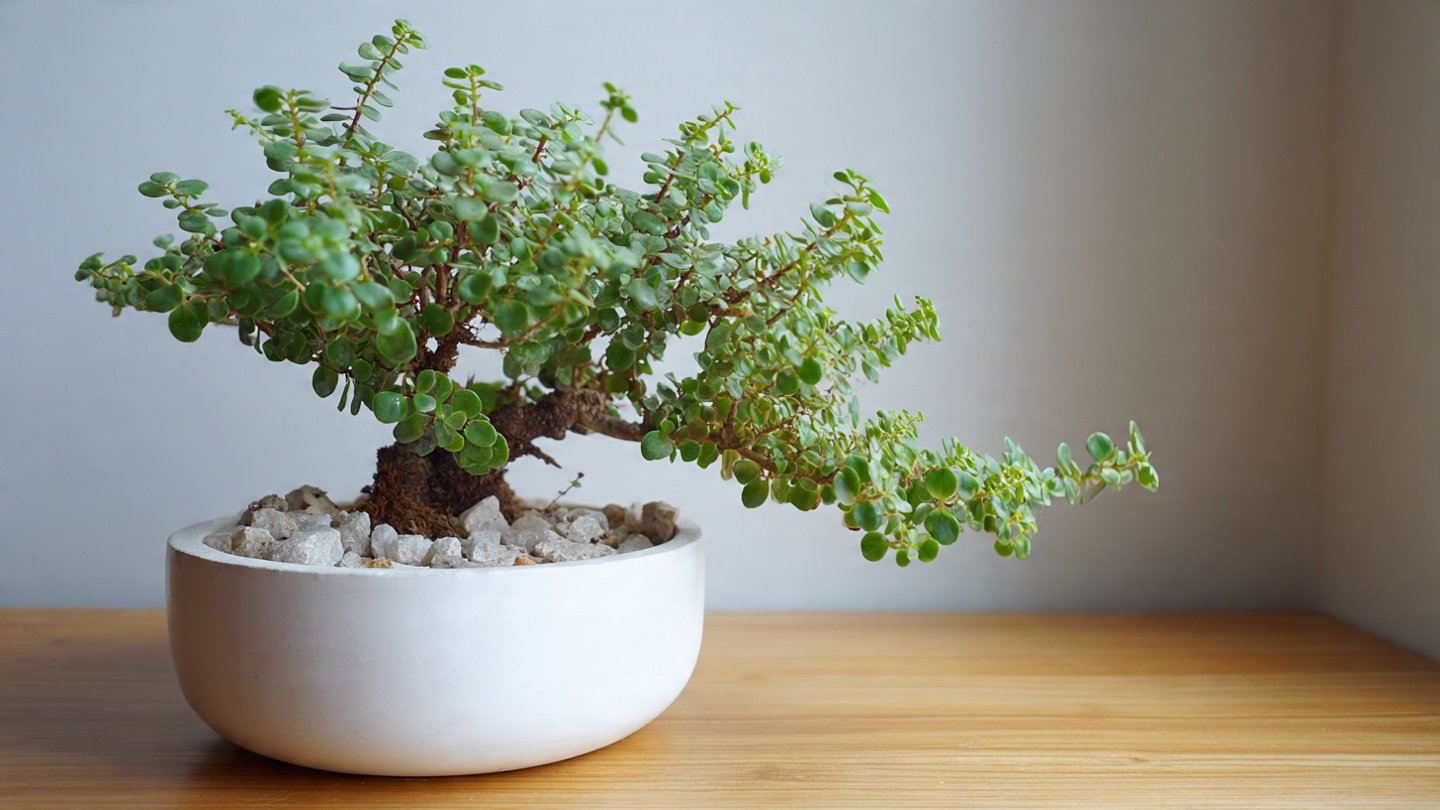
The Portulacaria afra, commonly known as the elephant bush, is a popular succulent that brings life, resilience, and a unique aesthetic to any space. Originally hailing from South Africa, this hardy plant is not only visually appealing but also easy to care for. In this comprehensive guide, we will explore various decorating tips and care methods to help you fully enjoy this beautiful plant and transform your space.
Overview of Portulacaria Elephant Bush
Description and Characteristics
Latest Posts
- A Comprehensive Guide to Successfully Growing Grape Vines in Your Backyard for Beginners and Experts Alike
- Best Tips for Successful Mango Growth in Containers
- Discover the Simple Steps for Successfully Growing Coriander in a Pot
- Discovering the Ultimate Guide to Growing African Violets from Leaf Cuttings
- Simple Techniques for Successfully Growing Seedless Grapes in Home Gardens
- Ultimate Guide to Growing Balsam Plants Naturally for Vibrant Blooms
- Discover the Secrets to Growing Lush Leek Leaves with Simple Hacks for Beginners
- How to Successfully Cultivate Sweet Cherries in the Unique Climate of Canada
- The Ultimate Guide to Successfully Growing Beautiful Succulent Garden Plants at Home
- A Comprehensive Guide to Growing Dhania from Seeds for Beginners
The elephant bush is a succulent shrub that is characterized by its thick, fleshy, green leaves and sprawling growth habit. It can grow as high as 4 feet indoors or even taller outdoors under ideal conditions. The plant is known for its resilience, making it suitable for both beginners and seasoned gardeners alike. It produces small, pink-purple flowers under the right conditions, although it’s primarily grown for its foliage.
Benefits of Having Elephant Bush
- Air Purification: Like many succulents, the elephant bush helps improve air quality by filtering toxins and producing oxygen.
- Low Maintenance: This plant is drought-resistant, which means it can thrive with minimal water, making it an ideal choice for busy individuals.
- Aesthetic Appeal: Its unique look makes it a versatile addition to various decorating styles, from modern to rustic.
- Adaptability: The elephant bush can be grown both indoors and outdoors, making it a flexible option for different environments.
Decorating Tips with Portulacaria Elephant Bush
The elephant bush can act as a stunning focal point in any room or outdoor space. Here are several creative ways to incorporate it into your decor:

1. Create a Focal Point
Planting a larger elephant bush in a statement pot or planter can serve as an eye-catching focal point. Use decorative pots that complement your existing decor style, whether it’s modern ceramic, rustic terracotta, or elegant metallic finishes. Placing the plant in a well-lit area, such as near a window, will draw attention to it.
2. Hanging Arrangements
Consider creating a hanging arrangement with trailing stems of the elephant bush. Use macramé hangers or modern metal hangers to add dimension to your vertical space. This can be particularly effective in small spaces where table or floor space is limited.
3. Terrarium Creativity
If you enjoy crafting, consider creating a mini-terrarium with the elephant bush as the centerpiece. Use a glass container and layer it with gravel, activated charcoal, and potting soil before planting your elephant bush. Add small decorative stones or figurines for a whimsical touch.
4. Mixed Planter Displays
Combine the elephant bush with other succulents or houseplants in a mixed planter. Make sure to select plants with similar care requirements to maintain easy upkeep. The rich green color of the elephant bush pairs beautifully with the vibrant colors of other succulents.
5. Outdoor Landscaping
If you have outdoor space, the elephant bush can be used in landscape designs. It can serve as a ground cover due to its spreading nature or act as a border in a rock garden. Combine it with other drought-tolerant plants to create a sustainable garden that conserves water.
6. Seasonal Decor
You can easily incorporate your elephant bush into seasonal decor. In the fall, surround it with small pumpkins, or in winter, place it next to string lights for a cozy ambiance. Use it as a base to build creative displays throughout the year.
7. Office Space Enhancement
Incorporate an elephant bush into your office desk setup. Not only will it beautify your workspace, but it can also boost your mood and creativity. A small desk plant can break the monotony and offer a calming presence while you work.
Care Methods for Portulacaria Elephant Bush
While the elephant bush is relatively low-maintenance, understanding its care requirements will ensure it thrives and grows beautifully.
1. Lighting Requirements
The elephant bush thrives in bright, indirect sunlight. Too much direct sun can scorch the leaves, while insufficient light can cause the plant to become leggy. Rotating the plant regularly can ensure all sides receive equal light exposure.
2. Watering Guidelines
Water the elephant bush thoroughly but infrequently. Allow the top inch of the soil to dry out before watering again to prevent overwatering, which can lead to root rot. During the growing season (spring and summer), it may need watering every two to three weeks, while in the dormant winter months, cut back on watering to once a month.
3. Soil Requirements
A well-draining soil mix is crucial for the elephant bush. Opt for a cactus or succulent potting mix, or create your own mix using regular potting soil combined with perlite or sand for improved drainage.

4. Fertilization Tips
During the growing season, feed the elephant bush with a balanced, water-soluble fertilizer diluted to half strength once a month. Avoid fertilizing in the winter months when the plant is dormant.
5. Pruning
Regular pruning will help maintain the size and shape of your elephant bush. Trim any overgrown or leggy stems back to promote bushier growth. Use sharp, clean scissors to make clean cuts and minimize the risk of disease.
6. Repotting
Repotting every two to three years is necessary to provide fresh soil and space for growth. Choose a pot that is slightly larger in diameter than the current one and ensure it has adequate drainage holes.
7. Pest Management
The elephant bush is relatively pest-resistant; however, keep an eye out for mealybugs and aphids. If you notice any, you can treat them with insecticidal soap or neem oil. Regularly inspecting your plant for signs of pests can help prevent infestations.
Troubleshooting Common Issues
Even under the best care, issues can arise. Here are some common problems and tips to address them:
-
Leaves Dropping: This may indicate either overwatering or underwatering. Check the soil moisture to determine the appropriate care.
-
Leggy Growth: If your plant appears tall and spindly, it may not be receiving enough light. Consider relocating it to a brighter area.
-
Pale Leaves: This can signify too much direct sunlight or inadequate nutrients. Adjust the lighting and consider fertilizing to restore vibrancy.
FAQs
1. How fast does Portulacaria elephant bush grow?
Typically, the elephant bush can grow a few inches per year, depending on the conditions and care it receives.
2. Is it safe for pets?
Yes, the Portulacaria elephant bush is non-toxic to pets, making it a safe choice for households with animals.
3. How often should I fertilize my elephant bush?
Fertilize once a month during the growing season (spring and summer) and avoid fertilizing during the fall and winter.

4. Can I propagate my elephant bush?
Yes! You can propagate the elephant bush through stem cuttings or leaf cuttings. Allow the cuttings to callus for a day or two before planting them in well-draining soil.
5. What type of pot is best for the elephant bush?
Choose a pot with good drainage. Terracotta pots are excellent for succulents because they allow the soil to dry out more quickly.
6. How large can the elephant bush get?
Indoors, it can reach a height of up to 4 feet. Outdoors, with the right conditions, it can grow even taller.
Conclusion
Transforming your space with the Portulacaria elephant bush is not just about adding a plant to your home; it’s about creating a vibrant, living environment that enhances your well-being. With its unique aesthetic and resilient nature, the elephant bush can bring warmth and personality to any setting. By following the tips and care methods outlined above, you can enjoy a flourishing plant that adds charm and beauty to your space throughout the year. So get started on your decorating journey today and embrace the beauty of this remarkable succulent!