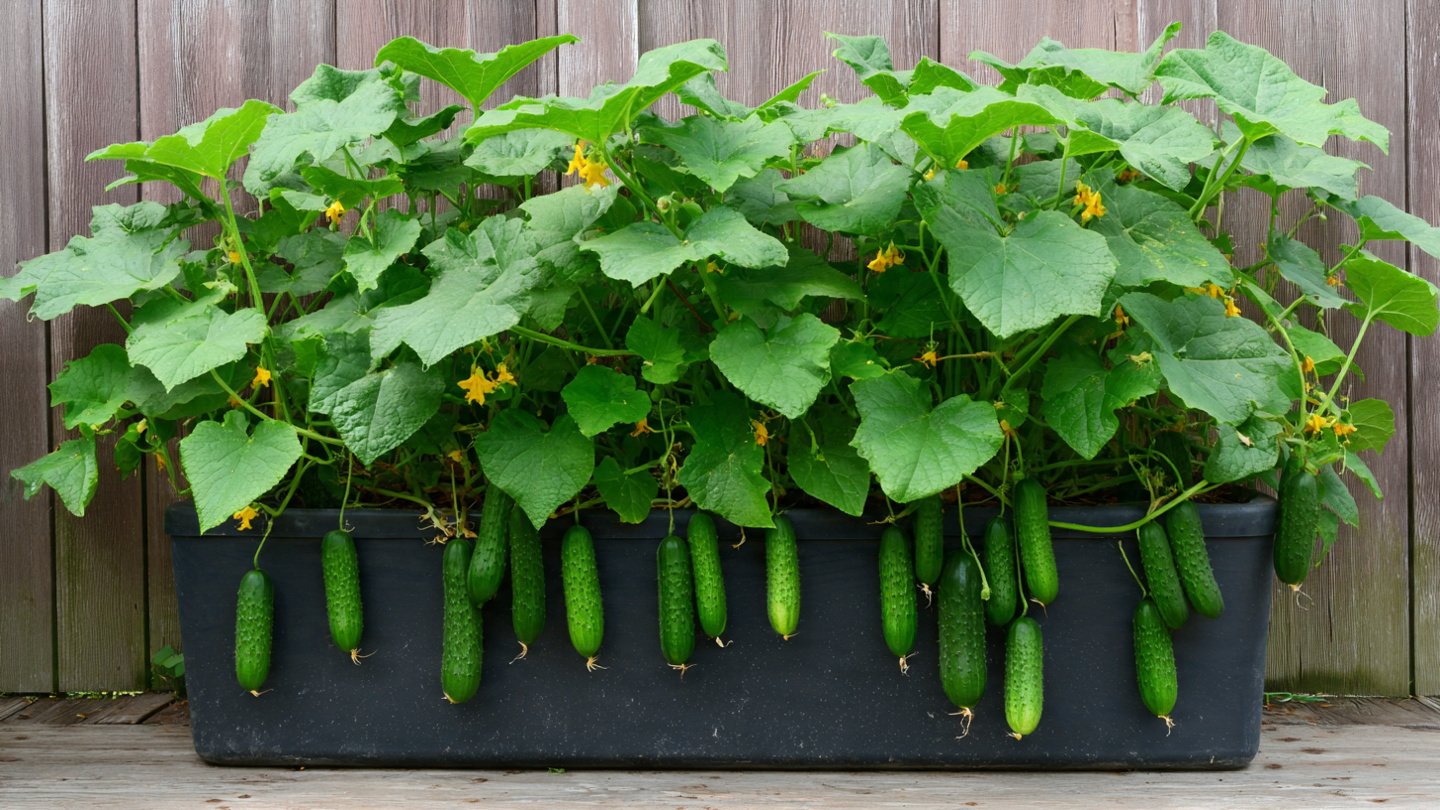
Cucumbers are one of the most popular and refreshing vegetables, perfect for salads, sandwiches, and pickling. Growing cucumbers in containers not only makes efficient use of limited space but also allows for easier maintenance and pest control. This comprehensive guide will walk you through the entire process of growing cucumbers in containers, providing tips for maximum yield and addressing common questions in our FAQs section.
Why Grow Cucumbers in Containers?
Growing cucumbers in containers offers several advantages:
Latest Posts
- A Comprehensive Guide to Successfully Growing Grape Vines in Your Backyard for Beginners and Experts Alike
- Best Tips for Successful Mango Growth in Containers
- Discover the Simple Steps for Successfully Growing Coriander in a Pot
- Discovering the Ultimate Guide to Growing African Violets from Leaf Cuttings
- Simple Techniques for Successfully Growing Seedless Grapes in Home Gardens
- Ultimate Guide to Growing Balsam Plants Naturally for Vibrant Blooms
- Discover the Secrets to Growing Lush Leek Leaves with Simple Hacks for Beginners
- How to Successfully Cultivate Sweet Cherries in the Unique Climate of Canada
- The Ultimate Guide to Successfully Growing Beautiful Succulent Garden Plants at Home
- A Comprehensive Guide to Growing Dhania from Seeds for Beginners
- Space Efficiency: Perfect for small gardens, patios, or balconies.
- Mobility: Easily move containers to optimal sun or shade locations.
- Controlled Environment: Better control over soil quality and moisture levels.
- Pest Management: Reduced risk of soil-borne diseases and pests.
Choosing the Right Container
Container Size
For growing cucumbers, choose a container that is at least 5 gallons (19 liters) in size. Larger containers, such as 10-15 gallons, are even better, allowing more root space and better moisture retention.
Container Material
Containers can be made from various materials, including:
- Plastic: Lightweight and affordable; ensure they have drainage holes.
- Clay: Breathable, but can dry out quickly; may require more frequent watering.
- Wood: Natural and aesthetically pleasing; untreated wood is preferable to avoid chemical leaching.
Selecting the Right Cucumber Variety

Not all cucumber varieties are suited for container gardening. The best types for containers include:
- Pickling Cucumbers: Smaller and bushy, such as ‘Bush Pickle’.
- Slicing Cucumbers: Compact varieties like ‘Lemon Cucumber’ or ‘Spacemaster’.
- Burpless Cucumbers: Varieties like ‘Straight Eight’ that are tender and easy to digest.
Choose disease-resistant varieties to minimize potential issues.
Soil Preparation
The right soil mix is crucial for successful cucumber growth. Follow these guidelines:
Soil Mix
- Quality Potting Mix: Use a high-quality potting mix designed for containers. Avoid garden soil, as it can compact and hinder drainage.
- Additives: Mix in organic compost to improve fertility and drainage.
pH Level
Cucumbers thrive in soil with a pH of 6.0 to 7.0. You can test soil pH using a home testing kit and adjust as necessary with lime (to raise pH) or sulfur (to lower pH).
Planting Cucumbers
Timing
Cucumbers are warm-season crops that prefer temperatures between 70°F and 90°F (21°C – 32°C). Plant them outdoors after the last frost date in your area, typically late spring.
Planting Method

- Seeds: Start seeds indoors 2-4 weeks before the last frost and transplant or sow directly in the containers after frost risk has passed.
- Transplants: If buying seedlings, choose healthy, compact plants.
Planting Steps
- Fill the container with the prepared soil mix, leaving about an inch of space at the top.
- Plant seeds about 1 inch deep or transplant seedlings at the same depth they were growing in their original containers.
- Space seeds or seedlings 12-18 inches apart to allow for ample growth.
Watering
Cucumbers have high water needs, especially during fruit set. Follow these watering guidelines:
Frequency
- Water regularly to keep the soil consistently moist, not soggy.
- Check moisture levels daily, particularly during hot spells.
Method
Always water at the base of the plants to minimize moisture on the leaves, which can promote disease.
Fertilizing
Cucumbers are heavy feeders. Fertilize them regularly to ensure strong growth and fruit production.
Types of Fertilizer
- Balanced Fertilizer: Use a balanced, slow-release fertilizer at the time of planting.
- Liquid Fertilizer: Follow up with a diluted liquid fertilizer every 2-4 weeks throughout the growing season.
Signs of Nutrient Deficiency
- Yellow leaves: Indicate nitrogen deficiency.
- Stunted growth: Suggests phosphorus or potassium deficiencies.
Supporting Your Cucumbers
Cucumbers need support to grow efficiently in containers. Utilize these methods:
Trellising
- Vertical Growth: Train vines to grow on a trellis or cage to save space and enhance air circulation.
- Support Structures: Use sturdy stakes, fences, or commercial trellises.
Weight Consideration
Ensure that the structure is robust enough to support the weight of developing fruits.
Pest and Disease Management
Common Pests
- Cucumber Beetles: Small yellow/green bugs that can damage leaves and spread disease. Use row covers or neem oil to deter them.
- Aphids: Small insects that can also spread diseases. Introduce beneficial insects like ladybugs or use insecticidal soap.
Common Diseases
- Powdery Mildew: White fungal spots on leaves. Prevent by ensuring good air circulation and watering at the base of plants.
- Downy Mildew: Similar to powdery mildew but with yellow or brown patches. Space plants adequately and remove affected leaves.
Regular Monitoring
Inspect plants regularly for signs of pests or diseases and take action as needed.
Harvesting Cucumbers
Timing
Cucumbers can be harvested when they are firm and the desired size is reached. For slicing cucumbers, this is usually about 6-8 inches long. For pickling varieties, harvest them when they are 3-5 inches long.
Harvesting Tips
- Use a sharp knife or scissors to cut cucumbers from the vine to avoid damaging plants.
- Check for maturity every couple of days to ensure optimal freshness.
Post-Harvest Storage
Store harvested cucumbers in the refrigerator, where they can stay fresh for up to a week. Avoid washing them before storage to reduce decay.
FAQs
1. Can I grow cucumbers in a smaller container?
While it is best to use at least a 5-gallon container for optimal growth, smaller containers can work for a limited number of plants. Be prepared to monitor water and nutrient levels closely.
2. How often should I water cucumber plants?
Generally, cucumbers require deep watering every 1-3 days, depending on weather conditions. Always check the soil moisture before watering.

3. What is the best location for growing cucumbers in containers?
Cucumbers thrive in full sun, requiring at least 6-8 hours of direct sunlight each day. Place containers in a sunny spot on your patio, balcony, or garden.
4. Do cucumbers need pollinators?
While some cucumber varieties are self-pollinating, having bees and other pollinators around can help increase yield. If you’re growing in a confined space, consider hand-pollinating flowers using a small brush.
5. How long does it take to grow cucumbers from seed?
Cucumbers typically take 50-70 days from seed to harvest, depending on the variety and growing conditions. Ensure consistent watering and proper care for best results.
6. Can I grow cucumbers indoors?
Yes, cucumbers can be grown indoors as long as they receive sufficient light and warmth. Consider using grow lights if natural sunlight is inadequate.
7. What should I do if my cucumbers are bitter?
Bitter cucumbers can result from stress factors such as inconsistent watering, high temperatures, or improper fertilization. Ensure regular watering and consider mulching to maintain moisture.
Growing cucumbers in containers can be a rewarding and fruitful endeavor, providing fresh, crispy produce right from your home. By following this guide, you’ll be well-equipped to achieve a bountiful harvest, regardless of space limitations. Happy gardening!