Introduction
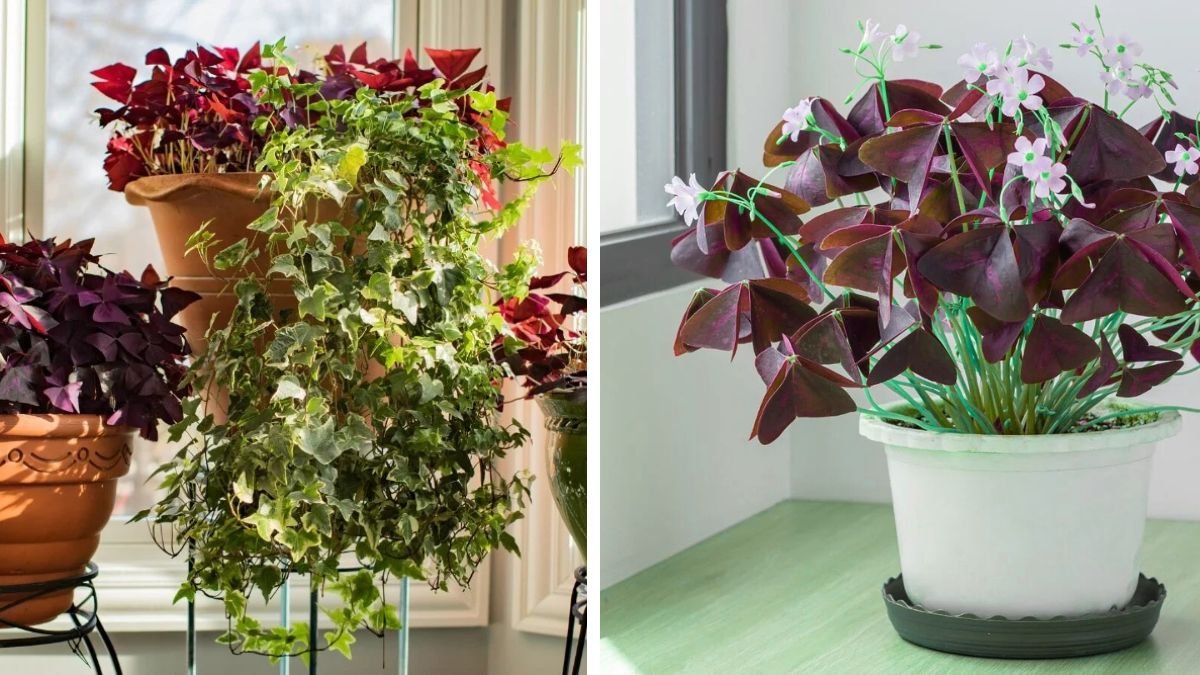
If you’re looking for an eye-catching houseplant that adds a vibrant touch to your indoor space, the Oxalis Purple Shamrock (Oxalis triangularis) is an excellent choice. Known for its striking purple foliage and delicate blooms, this plant is not only beautiful but also relatively easy to care for. In this comprehensive guide, we will explore the essentials of successfully growing Oxalis Purple Shamrock indoors, covering everything from soil and light requirements to watering, fertilizing, and pest management.
Understanding Oxalis Purple Shamrock
Latest Posts
- A Comprehensive Guide to Successfully Growing Grape Vines in Your Backyard for Beginners and Experts Alike
- Best Tips for Successful Mango Growth in Containers
- Discover the Simple Steps for Successfully Growing Coriander in a Pot
- Discovering the Ultimate Guide to Growing African Violets from Leaf Cuttings
- Simple Techniques for Successfully Growing Seedless Grapes in Home Gardens
- Ultimate Guide to Growing Balsam Plants Naturally for Vibrant Blooms
- Discover the Secrets to Growing Lush Leek Leaves with Simple Hacks for Beginners
- How to Successfully Cultivate Sweet Cherries in the Unique Climate of Canada
- The Ultimate Guide to Successfully Growing Beautiful Succulent Garden Plants at Home
- A Comprehensive Guide to Growing Dhania from Seeds for Beginners
Originating from Brazil, the Oxalis Purple Shamrock is part of the Oxalidaceae family and is often called “Wood Sorrel.” It features unique clover-like leaves that fold up at night and open during the day, making it an engaging plant to observe. The leaves can range in color from deep purple to green, and the plant produces small, charming white or pink flowers during its blooming season.
Choosing the Right Pot and Soil
Pot Selection
When growing Oxalis, it’s essential to choose a pot that has drainage holes to prevent waterlogging. A 6- to 8-inch pot is ideal for a single plant, whereas larger pots can accommodate multiple plants. Consider using ceramic pots for a more aesthetic touch, as they help regulate temperature.
Soil Requirements
Choose a well-draining potting mix that is rich in organic matter. A mixture of potting soil and perlite or sand can improve drainage. You can also look for a soil specifically formulated for houseplants that promote aeration and moisture retention.

Light Conditions
Oxalis Purple Shamrock thrives in bright, indirect sunlight. A south or east-facing window is the best location in your home. If you notice your plant stretching or leaning towards the light, this indicates it’s not receiving enough brightness. Conversely, direct sunlight can scorch the leaves, so it’s crucial to find a balance. If adequate natural light is unavailable, you could supplement with grow lights for at least 12-14 hours a day.
Watering Requirements
The watering needs of Oxalis Purple Shamrock can vary with the seasons. During the growing season (spring and summer), the plant requires more frequent watering to keep the soil consistently moist but not soggy. It’s essential to allow the top inch of the soil to dry out before watering again.
In the winter months, when the plant enters dormancy, reduce your watering frequency. It’s vital to strike a balance—overwatering can lead to root rot, while underwatering can cause the leaves to wilt.
Humidity and Temperature Needs
Oxalis Purple Shamrock prefers a humid environment. If your home is dry, especially during winter, consider misting the leaves or placing a humidity tray filled with water and pebbles beneath the pot. This will help maintain moisture without saturating the roots.
Regarding temperature, this plant thrives in temperatures ranging from 60°F to 75°F (15°C to 24°C). Avoid exposing it to drafts or extreme temperature fluctuations, as this can stress the plant and hinder its growth.

Fertilizing
During the active growing season, fertilize your Oxalis Purple Shamrock every 4-6 weeks with a balanced, water-soluble fertilizer diluted to half-strength. This will encourage robust growth and vibrant blooms. In the fall and winter, when the plant goes dormant, refrain from fertilizing, as this could lead to nutrient buildup in the soil.
Pruning and Maintenance
Regular pruning helps maintain the plant’s size and shape. Remove any dead or yellowing leaves to promote new growth and keep the plant looking its best. It’s also a good idea to groom the plant after its blooming cycle, which usually occurs in late spring to early summer.
Blooming and Dormancy Cycle
One of the most intriguing aspects of the Oxalis Purple Shamrock is its dormancy cycle. The plant typically blooms in the spring and summer months and may go dormant in late summer or fall, causing the leaves to die back. During this resting period, reduce watering and place the pot in a cool, dark location. This dormancy is a natural part of the plant’s life cycle and allows for rejuvenation.
When dormancy ends, usually in the spring, resume regular care to encourage new growth.

Pest Management
While Oxalis Purple Shamrock is generally pest-resistant, it can sometimes attract houseplant pests like aphids, spider mites, and mealybugs. To manage pests, regularly inspect the leaves and stems for any signs of infestation. For minor issues, wiping the leaves with a damp cloth can help, but if the pest problem escalates, consider using insecticidal soap or neem oil.
Benefits of Oxalis Purple Shamrock
- Aesthetic Appeal: The vivid purple leaves and delicate flowers make it a stunning decorative piece for any indoor setting.
- Air Purification: Like many houseplants, Oxalis can improve indoor air quality by filtering harmful toxins and increasing humidity.
- Educational Value: Its unique behavior of folding leaves at night can intrigue children and adults alike, making it an excellent conversational plant.
Troubleshooting Common Issues
- Yellowing Leaves: This could indicate overwatering or inadequate light. Adjust your watering schedule and ensure the plant receives sufficient light.
- Wilting Leaves: This usually signifies underwatering. Check the soil moisture and water if necessary.
- Dropped Leaves: If the plant is dropping leaves, it may be experiencing shock from a sudden change in temperature or light conditions. Maintain a stable environment for your plant.

FAQs
1. How often should I water my Oxalis Purple Shamrock?
Water your Oxalis Purple Shamrock when the top inch of soil feels dry. During the growing season, this may be once a week, while in winter, it might be less frequent.
2. Can I grow Oxalis Purple Shamrock in low light?
While Oxalis can tolerate low light, expect slower growth and fewer blooms. It thrives best in bright, indirect light.
3. How long does Oxalis Purple Shamrock typically bloom?
The plant usually blooms from spring to early summer, producing small flowers that can last several weeks.
4. What should I do if my Oxalis goes dormant?

When your plant goes dormant, reduce watering and place it in a cool, dark location. Resume regular care when new growth appears in spring.
5. Is Oxalis Purple Shamrock safe for pets?
Yes, Oxalis is considered non-toxic to cats and dogs. However, as with all houseplants, it’s best to monitor your pets and prevent them from chewing on any foliage.
6. Can I propagate Oxalis Purple Shamrock?
Yes, Oxalis can be propagated through division. When repotting, separate the tubers carefully and plant them in new soil. They typically grow well when transplanted.
Conclusion
Growing Oxalis Purple Shamrock indoors can be a rewarding experience, offering beautiful foliage and delicate blooms to brighten your space. By following the care tips outlined in this guide, you’ll create an ideal environment for this unique plant to thrive. Whether you’re a beginner or an experienced gardener, your Oxalis will undoubtedly become a cherished addition to your indoor garden. Enjoy the process of watching your Purple Shamrock flourish and embrace the beauty it brings to your home.