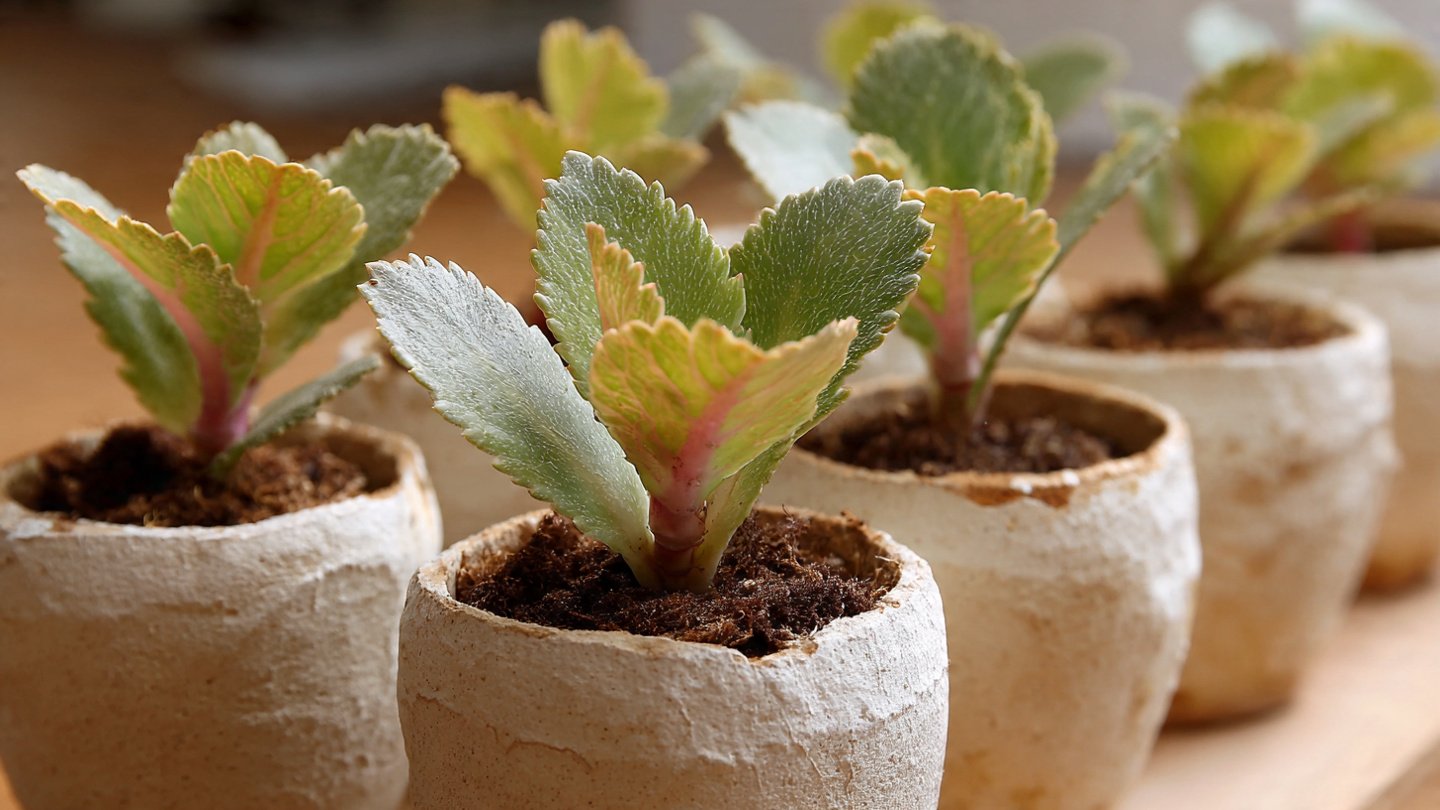
Kalanchoe, a vibrant and resilient succulent, is a favorite among houseplant enthusiasts for its attractive appearance and ease of care. Propagating Kalanchoe from leaf cuttings is a simple and rewarding process that allows you to expand your collection or share plants with friends. Here’s a step-by-step guide to successfully grow Kalanchoe from leaf cuttings.
What You’ll Need
Before we dive into the steps, let’s gather the necessary materials:
Latest Posts
- A Comprehensive Guide to Successfully Growing Grape Vines in Your Backyard for Beginners and Experts Alike
- Best Tips for Successful Mango Growth in Containers
- Discover the Simple Steps for Successfully Growing Coriander in a Pot
- Discovering the Ultimate Guide to Growing African Violets from Leaf Cuttings
- Simple Techniques for Successfully Growing Seedless Grapes in Home Gardens
- Ultimate Guide to Growing Balsam Plants Naturally for Vibrant Blooms
- Discover the Secrets to Growing Lush Leek Leaves with Simple Hacks for Beginners
- How to Successfully Cultivate Sweet Cherries in the Unique Climate of Canada
- The Ultimate Guide to Successfully Growing Beautiful Succulent Garden Plants at Home
- A Comprehensive Guide to Growing Dhania from Seeds for Beginners
- Healthy Kalanchoe Plant: Choose a robust plant that shows no signs of disease or pests.
- Sharp, Clean Scissors or Shears: A clean cut prevents fungal infections.
- Well-Draining Potting Mix: Use a mix designed for succulents or make your own with sand, perlite, and potting soil.
- Small Pots or Containers: Ensure they have drainage holes to prevent overwatering.
- Water: Room temperature water for misting and initial watering.
- Plastic Bag or Dome (optional): To create humidity around the cuttings.
Step-by-Step Guide to Propagating Kalanchoe from Leaf Cuttings
Step 1: Selecting and Preparing Cuttings

-
Choose a Healthy Leaf: Look for a mature, healthy leaf that is free from blemishes, pests, and diseases. A leaf that is thick and fleshy will have a better chance of rooting.
-
Make the Cut: Using your sharp scissors or shears, cut the leaf from the stem. Aim for a clean cut as close to the stem as possible. You can also propagate Kalanchoe from a section of the stem if desired.
-
Let It Callous: Place the cut leaf in a dry, warm location for 1-2 days. This allows the cut end to callous over, reducing the risk of rot when it’s placed in the soil.
Step 2: Preparing the Soil
-
Choose Your Pot: Select small pots or containers with drainage holes. If propagating multiple cuttings, consider a larger container that can accommodate them all.
-
Prepare the Potting Mix: Fill the pots with well-draining potting mix. You can use a commercial succulent mix or create your own by combining regular potting soil with perlite or coarse sand.
Step 3: Planting the Cuttings
-
Planting the Leaf: Once the leaf has calloused, insert the cut end into the prepared soil. Make sure it is planted upright or at a slight angle; it should not be completely buried. Use your fingers to gently pack the soil around the base of the leaf.
-
Watering: Lightly mist the soil after planting the cuttings to moisten it. Avoid soaking it as excess water can lead to rot. Use a spray bottle for even misting.
Step 4: Creating the Right Environment
-
Humidity and Light: To encourage growth, place the pots in a warm location with indirect sunlight. A south or west-facing window is ideal. Too much direct sunlight can scorch the cuttings.
-
Humidity Dome (optional): If your home is particularly dry, consider covering the pot with a plastic bag or using a plastic dome to maintain humidity. Ensure there’s some air circulation to prevent mold growth.
Step 5: Caring for Your Cuttings
-
Monitoring Moisture: Check the moisture level of the soil regularly. The top inch should be dry before you water again. It’s better to underwater than overwater at this stage.
-
Fertilizing: After a few weeks, once you see new growth (little leaves forming), you can begin to feed them with a diluted, balanced liquid fertilizer once every month.
-
Remove Dead Leaves: Keep an eye on your cuttings; if any leaves start to yellow or rot, remove them immediately to prevent affecting the healthy leaves.
Step 6: Transplanting Your New Plants
-
Detecting Root Growth: After 4 to 8 weeks, your cuttings should begin to root. You can gently tug on the plants to check for resistance, which indicates root establishment.
-
Transplanting: Once the roots are well-developed, usually a couple of inches long, you can transplant them into larger pots with the same well-draining potting mix. Handle them delicately to avoid damaging the roots.
-
Acclimatization: Allow the new plants to acclimate to their surroundings. Gradually increase their exposure to direct sunlight over a week.
Step 7: Ongoing Care
-
Sunlight Needs: Kalanchoe thrives in bright, indirect sunlight. If you notice leggy growth, it may be a sign that they need more light.
-
Watering Routine: Once established, water the plants thoroughly when the soil is dry to an inch below the surface. During the growing season (spring and summer), you may need to water more frequently than in winter.
-
Pest Management: Watch for signs of common pests like aphids or mealybugs. If infested, treat your plants using insecticidal soap or neem oil.

FAQs
1. How long does it take for Kalanchoe cuttings to root?
Kalanchoe cuttings typically take about 4 to 8 weeks to root, depending on the environment and care provided.
2. Can I propagate Kalanchoe in water?
While Kalanchoe is primarily propagated in soil, you can try rooting in water. However, it may lead to weaker plants and is less reliable than soil propagation.
3. How much light do my Kalanchoe cuttings need?
Kalanchoe prefers bright, indirect sunlight. Too much direct sunlight can scorch the leaves, while too little can hinder growth.
4. Can I use regular potting soil for Kalanchoe cuttings?

You can use regular potting soil, but it’s best to mix it with perlite or sand for better drainage as Kalanchoe prefers well-draining conditions.
5. What should I do if my Kalanchoe cuttings are rotting?
If you notice rot, remove the affected cuttings immediately. Ensure the remaining cuttings are not in overly damp soil and have proper air circulation.
6. When is the best time to propagate Kalanchoe?
Spring is the best time to propagate Kalanchoe, as the plant is entering its active growing phase, leading to higher success rates.
7. Are there specific Kalanchoe varieties that are better for propagation?
All varieties of Kalanchoe can be propagated from leaf cuttings. However, some common varieties like Kalanchoe blossfeldiana (Flaming Katy) or Kalanchoe luciae (Paddle Plant) are popular choices.
Conclusion
Growing Kalanchoe from leaf cuttings can be a fulfilling and fun experience that enhances your home with vibrant greenery. By following these simple steps—preparing your cuttings, ensuring the right soil and environmental conditions, and providing ongoing care—you can create a thriving collection of Kalanchoe plants. Remember, patience is key; with time and care, you will have beautiful new succulents to enjoy!