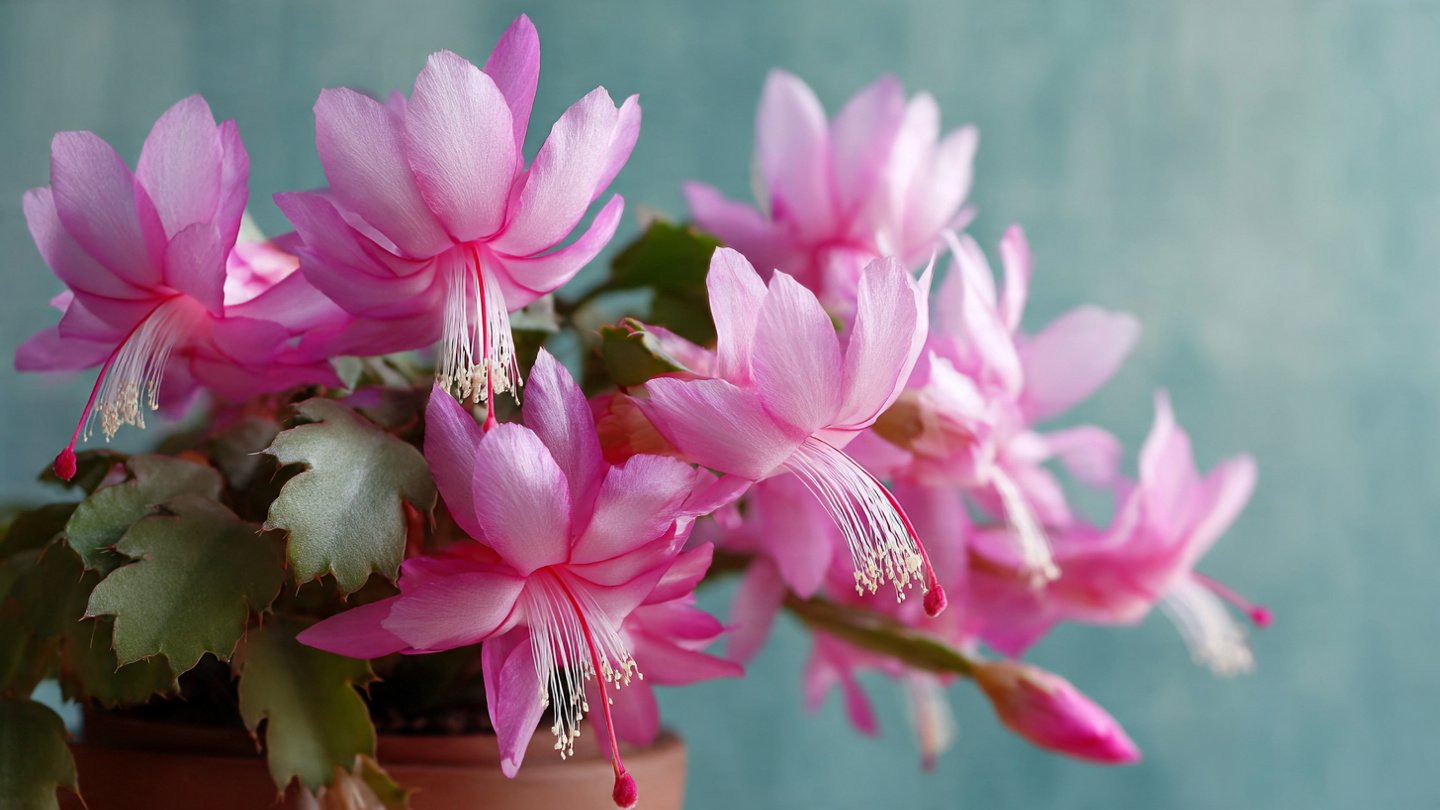
Easter Cactus (Hatiora gaertneri) is a captivating plant that brightens up homes with its stunning flowers, typically blooming in late winter to early spring, just in time for Easter celebrations. Unlike the more common Christmas cactus, Easter cactus has distinct environmental and care requirements to ensure it thrives and produces colorful blooms year after year. This article will guide you through the essentials of caring for an Easter cactus at home, from propagation to dealing with pests. We’ll also include a FAQs section at the end for any lingering questions you may have.
Understanding Easter Cactus
Easter cactus is native to the cloud forests of Brazil, thriving in humid conditions. The plant is characterized by its segmented stems and beautiful tubular flowers, which can be pink, red, or white. Unlike its Christmas and Thanksgiving cactus cousins, which bloom during the holidays, Easter cactus is known for its unique flowering time, making it a special addition to seasonal decor.
Latest Posts
- A Comprehensive Guide to Successfully Growing Grape Vines in Your Backyard for Beginners and Experts Alike
- Best Tips for Successful Mango Growth in Containers
- Discover the Simple Steps for Successfully Growing Coriander in a Pot
- Discovering the Ultimate Guide to Growing African Violets from Leaf Cuttings
- Simple Techniques for Successfully Growing Seedless Grapes in Home Gardens
- Ultimate Guide to Growing Balsam Plants Naturally for Vibrant Blooms
- Discover the Secrets to Growing Lush Leek Leaves with Simple Hacks for Beginners
- How to Successfully Cultivate Sweet Cherries in the Unique Climate of Canada
- The Ultimate Guide to Successfully Growing Beautiful Succulent Garden Plants at Home
- A Comprehensive Guide to Growing Dhania from Seeds for Beginners
Ideal Growing Conditions
To successfully grow an Easter cactus, it’s crucial to replicate its natural environment as closely as possible. Here are the ideal growing conditions:
1. Light Requirements
Easter cactus prefers bright, indirect sunlight. Direct sun can scorch its leaves, while too little light can inhibit blooming. A north or east-facing window is usually the best location. If your indoor space is dimly lit, consider using grow lights to supplement natural light.
2. Temperature and Humidity
Easter cactus thrives in temperatures ranging from 60°F to 80°F (15°C to 27°C). They appreciate high humidity, so keeping them in a bathroom or kitchen can be beneficial. If these areas are not suitable, you can increase humidity by placing a tray filled with water and pebbles under the pot, ensuring that the pot’s base is elevated above the water level.
3. Soil Requirements

The right soil mix is vital for the health of your Easter cactus. Opt for a well-draining potting mix designed for cacti and succulents. You can also create your own mix by combining standard potting soil with perlite or sand to improve drainage.
Watering Your Easter Cactus
One of the critical aspects of growing an Easter cactus is understanding its watering needs. Overwatering is a common issue among houseplant owners, leading to root rot and other problems.
Watering Guidelines
- Frequency: Allow the top inch of soil to dry out before watering again. Typically, watering once every two weeks is sufficient, but this can vary depending on humidity levels and your home’s climate.
- Watering Method: Water thoroughly, allowing excess water to drain from the bottom. Never let your cactus sit in standing water, as this can cause root rot.
Feeding Your Easter Cactus
Fertilization can help promote vibrant blooms. Here’s how to feed your Easter cactus effectively:
Fertilization Schedule
- During Growing Season: From spring to summer, use a balanced fertilizer diluted to half-strength every month. A fertilizer high in phosphorus can encourage blooming.
- During Dormancy: In fall and winter, reduce or eliminate fertilization since the plant is not actively growing during this period.

Repotting Your Easter Cactus
Repotting should only be done when necessary, generally every 2-3 years. This helps refresh the soil and gives the plant room to grow.
Signs It’s Time to Repot
- The plant is root-bound, meaning roots are emerging from the drainage holes.
- The potting soil has degraded, showcasing poor drainage qualities.
- The plant appears stunted or unhealthy despite proper care.
How to Repot
- Choose a new pot that is one size larger with drainage holes.
- Gently remove the cactus from its former pot, being cautious of the spines.
- Place fresh potting mix in the new pot, situate the cactus at the same depth, and fill with more mix.
- Water lightly and place in a low-light location for a few days to allow it to adjust.
Inducing Blooms
Getting your Easter cactus to bloom to its full potential can be a rewarding challenge. Here’s how to encourage those vibrant flowers.

Temperature Adjustments
To induce blooming, you can mimic the natural conditions of the plant. Starting in late fall, reduce the temperature to around 50°F to 60°F (10°C to 15°C) for a few weeks. This chilling period triggers flower formation.
Light Exposure
For the best blooms, ensure the plant receives around 12-14 hours of indirect light daily during the growing season. After the chilling period, return it to its brighter location to encourage blooming.
Pests and Problems
Easter cacti are relatively resilient but can be susceptible to a few pests and issues.
Common Pests
- Mealybugs: These small, white insects can be wiped away using a cotton swab dipped in alcohol.
- Spider Mites: If you notice webbing on your plant, wash it gently or treat with insecticidal soap.
Diseases
Root rot is the most significant issue faced by Easter cacti, typically resulting from overwatering. Ensure proper watering practices and allow the soil to dry out before watering again.

Troubleshooting Common Issues
Yellowing Leaves
If the leaves of your Easter cactus are turning yellow, it can be a sign of overwatering or inadequate light. Check your watering schedule and consider moving the plant to a brighter location.
Wilting or Dropping Leaves
Wilting or dropping leaves can indicate underwatering. Ensure that you check the soil moisture regularly, especially during hotter months.
Lack of Blooms
If your Easter cactus isn’t blooming, assess the light and temperature conditions. Remember, these plants require a chilling period to initiate blooms, so ensure that you replicate these conditions each year.
Conclusion
Growing Easter cactus at home can be a rewarding experience that brings vibrant seasonal colors to your space. By understanding their unique care requirements—ranging from light, water, soil, feeding, and blooming—you can successfully cultivate this beautiful plant. With just a little patience and attention, your Easter cactus will thrive, bringing joy and beauty to your home year after year.
FAQs
1. How often should I water my Easter cactus?
Typically, watering every two weeks is sufficient, but always check that the top inch of soil has dried out before watering again.

2. When does the Easter cactus bloom?
Easter cactus usually blooms in late winter to early spring, just in time for Easter.
3. What is the best fertilizer for Easter cactus?
Use a balanced fertilizer with a higher phosphorus content during the growing season to promote blooming.
4. Can I keep my Easter cactus outside?
Easter cacti are delicate and should generally be kept indoors, especially if temperatures drop below 50°F (10°C).
5. How can I propagate my Easter cactus?
You can propagate Easter cactus by taking stem cuttings. Allow the cut ends to callous for a few days before planting them in well-draining soil. Keep them humid until new growth appears.
6. What pests should I watch out for?
Mealybugs and spider mites are common pests. Regularly inspect your plant and use insecticidal soap if necessary.
By following this guide, you’re well on your way to enjoying a flourishing Easter cactus that will dazzle with its stunning blooms when the season arrives. Happy gardening!