Introduction: Why Grow Long Bottle Gourd at Home
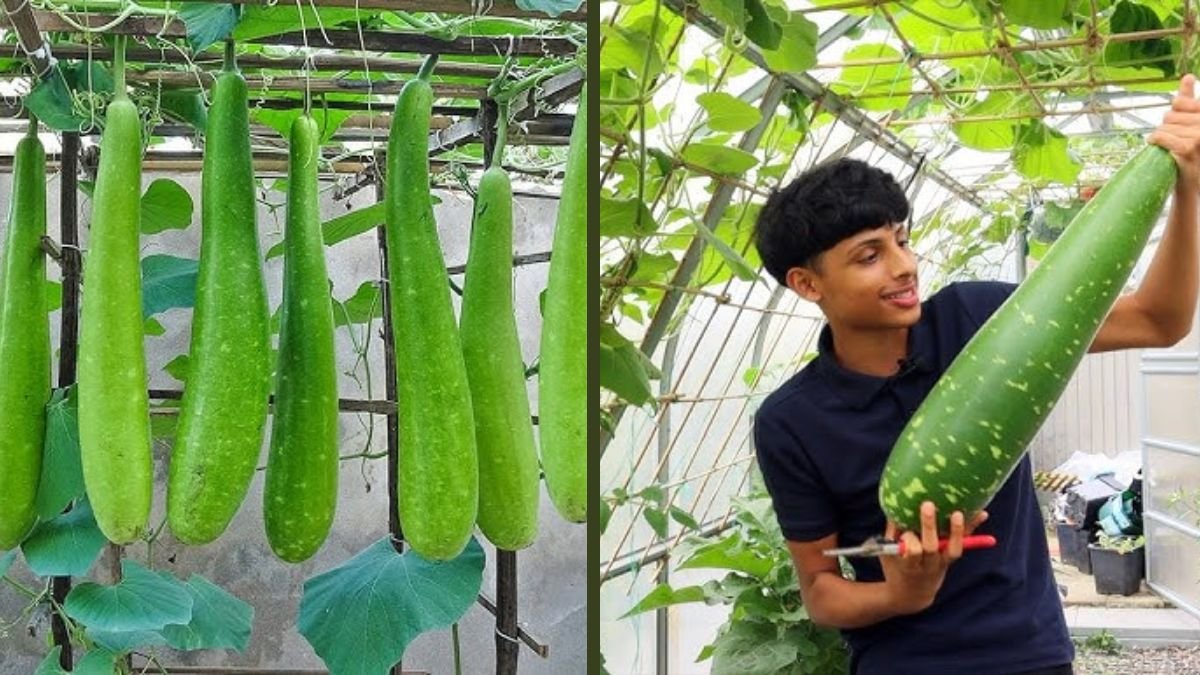
Long bottle gourd, also known as lauki or calabash, is a nutritious and versatile vegetable. Homegrown gourds are fresher, tastier, and chemical-free. Many beginners hesitate to grow them due to vine management and water needs. With proper guidance, even small spaces can yield abundant harvests. This article provides step-by-step instructions, from seed selection to harvesting, ensuring beginners succeed. Learning how to grow long bottle gourd also promotes healthy eating habits. By following these tips, anyone can enjoy homegrown, organic vegetables year-round.
Nutritional Benefits of Bottle Gourd
Bottle gourd is low in calories and rich in water content, making it ideal for hydration. It contains vitamin C, potassium, fiber, and antioxidants that support digestion and heart health. Regular consumption aids weight management and improves immunity. The gourd is also versatile in cooking – from soups and curries to stir-fries and juices. Homegrown gourds ensure no pesticide residues. Including them in daily meals benefits the entire family with both nutrition and taste.
Choosing the Right Seeds
High-quality seeds determine the success of your crop. Select certified, non-GMO, and disease-resistant seeds for higher germination rates. Long, slender varieties are ideal for backyard cultivation. Avoid damaged or old seeds, as they may fail to sprout. Purchase from trusted local stores or online suppliers. Soaking seeds in water for 6–8 hours before sowing improves germination speed. Proper seed selection ensures strong plants and abundant yield.
Preparing the Soil
Long bottle gourd thrives in fertile, well-drained soil. Loosen the soil to enhance root development and aeration. Add compost or well-rotted manure to increase fertility. Maintain a slightly acidic to neutral pH of 6.0–7.0 for best results. Avoid compacted or waterlogged soil, which may stunt growth. Raised beds or small mounds help drainage in backyard gardens. Proper soil preparation ensures strong, healthy plants with vigorous vines.
Planting Techniques
Plant seeds 1–2 inches deep in soil or nursery trays. Space them 2–3 feet apart for optimal vine growth. Thin seedlings to the strongest one per spot once they develop true leaves. Water gently to keep soil moist but not soggy. Transplant seedlings after 3–4 weeks into prepared garden beds. For trellis cultivation, provide supports before vines grow too long. Correct planting ensures healthy root establishment and long-term growth.
Latest Posts
- A Comprehensive Guide to Successfully Growing Grape Vines in Your Backyard for Beginners and Experts Alike
- Best Tips for Successful Mango Growth in Containers
- Discover the Simple Steps for Successfully Growing Coriander in a Pot
- Discovering the Ultimate Guide to Growing African Violets from Leaf Cuttings
- Simple Techniques for Successfully Growing Seedless Grapes in Home Gardens
- Ultimate Guide to Growing Balsam Plants Naturally for Vibrant Blooms
- Discover the Secrets to Growing Lush Leek Leaves with Simple Hacks for Beginners
- How to Successfully Cultivate Sweet Cherries in the Unique Climate of Canada
- The Ultimate Guide to Successfully Growing Beautiful Succulent Garden Plants at Home
- A Comprehensive Guide to Growing Dhania from Seeds for Beginners
Support Structures and Trellising
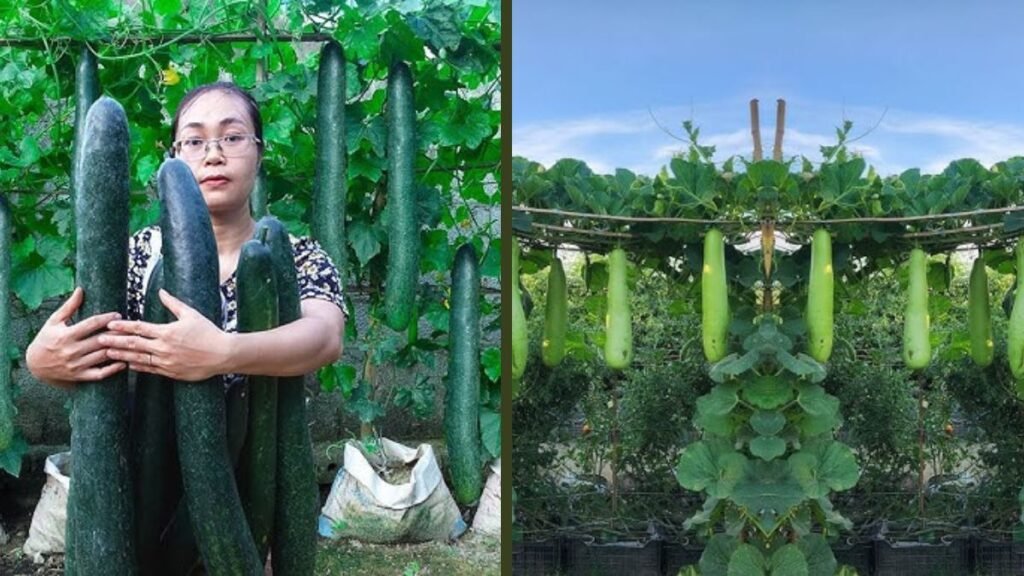
Long bottle gourd is a climbing vine requiring sturdy support. Use bamboo poles, netting, or wooden trellises to guide growth upward. Trellising improves air circulation, reduces pest risk, and produces straighter fruits. Space supports adequately to avoid overcrowding. Tie vines loosely to prevent damage. Vertical growth also saves garden space and promotes healthier plants. Proper support leads to better fruit quality and easier harvesting.
Watering and Irrigation Tips
Bottle gourd needs consistent moisture for healthy growth. Water deeply 2–3 times a week, more in hot weather. Avoid overwatering, as waterlogged soil may cause root rot. Early morning watering reduces fungal growth. Mulch around plants to retain soil moisture and reduce weed growth. Drip irrigation or soaker hoses are ideal for backyard gardens. Proper hydration ensures vigorous vines and large, juicy fruits.
Fertilization for Maximum Yield
Apply organic fertilizers like compost, vermicompost, or liquid manure every 2–3 weeks. Nitrogen-rich fertilizers promote leafy growth, while potassium improves fruiting. Avoid excessive chemical fertilizers, which may reduce taste and quality. Balanced nutrition enhances vine strength, flower production, and fruit size. Side-dressing with compost during fruit development encourages larger gourds. Proper fertilization maximizes both quantity and quality of harvest.
Flowering and Pollination
Bottle gourd produces male and female flowers separately. Encourage pollination by attracting bees or manually transferring pollen. Morning visits by pollinators ensure higher fruit set. Monitor flowers regularly and remove damaged or diseased blooms. Proper pollination is critical for fruit development. Healthy flowering ensures better yield and reduces the risk of small or misshaped fruits.
Pest and Disease Management
Common pests include aphids, fruit flies, and caterpillars. Use neem oil, soapy water, or organic sprays to control infestations. Keep the garden clean to reduce disease spread. Avoid overhead watering to prevent fungal infections like powdery mildew. Regular inspection and timely action maintain plant health. Disease-free plants produce high-quality, straight, and unblemished fruits.
Harvesting Tips
Harvest long bottle gourd when the skin is smooth and tender. Fruits are usually ready 2–3 months after planting. Avoid letting gourds become too large, as they may turn bitter. Use sharp scissors or knives to cut fruits carefully without damaging vines. Regular harvesting encourages continuous flowering and fruit production. Proper harvesting ensures sweet, crisp, and high-quality gourds.
Storage and Usage
Store harvested gourds in a cool, dry place or refrigerator for up to 10 days. Avoid washing until ready to use to prolong shelf life. Use them fresh in curries, soups, juices, or stir-fries. Freeze slices for long-term storage if needed. Proper storage retains taste, texture, and nutritional value. Homegrown gourds provide fresh vegetables for daily meals without preservatives.
Common Mistakes Beginners Make
Overwatering, poor trellising, and incorrect fertilization are common errors. Planting too close reduces airflow, increasing disease risk. Ignoring pollination leads to poor fruit set. Harvesting late may result in bitter taste. Avoiding these mistakes ensures a healthy, high-yielding backyard crop. Learning from beginner errors saves time and improves gardening success.
Tips for Continuous Production
Succession planting every 2–3 weeks ensures a continuous supply of fresh gourds. Rotate plots or beds to prevent soil depletion. Regular pruning of older vines promotes new growth. Fertilize during flowering and fruiting for maximum output. Continuous care results in a steady harvest for weeks or months. Proper planning keeps your backyard productive year-round.
Comparison Table: Backyard vs Market Bottle Gourd
| Feature | Backyard Growth | Market Store Gourd |
|---|---|---|
| Freshness | Very High | Moderate |
| Pesticide Use | Controlled/None | Often Higher |
| Flavor | Sweet and Tender | Slightly Bitter |
| Harvest Control | Anytime | Fixed schedules |
| Growth Monitoring | Full control | No access |
| Cost | Low | Moderate |
Culinary and Health Uses
Long bottle gourd is versatile in cooking. Use in soups, stews, stir-fries, or even juice. Its mild taste blends with spices, herbs, and other vegetables. Regular consumption aids digestion, hydration, and weight management. Fresh, organic gourds from your backyard are healthier than store-bought. They add variety and nutrition to everyday meals.
Benefits of Growing at Home
Home cultivation saves money, reduces chemical exposure, and ensures fresh produce. Backyard growing promotes sustainable gardening and family involvement. Plants thrive with proper care and provide both health and aesthetic benefits. Watching vines climb and fruits develop is satisfying for gardeners. Homegrown gourds also encourage self-sufficiency and healthier eating habits.
Conclusion
Growing long bottle gourd at home is simple with the right guidance. By choosing good seeds, preparing soil, providing support, watering correctly, and managing pests, beginners can succeed. Continuous care, proper harvesting, and storage ensure a regular supply of fresh, nutritious vegetables. Home gardening offers both physical and mental satisfaction. Start your backyard gourd project today and enjoy the rewards of healthy, homegrown vegetables.