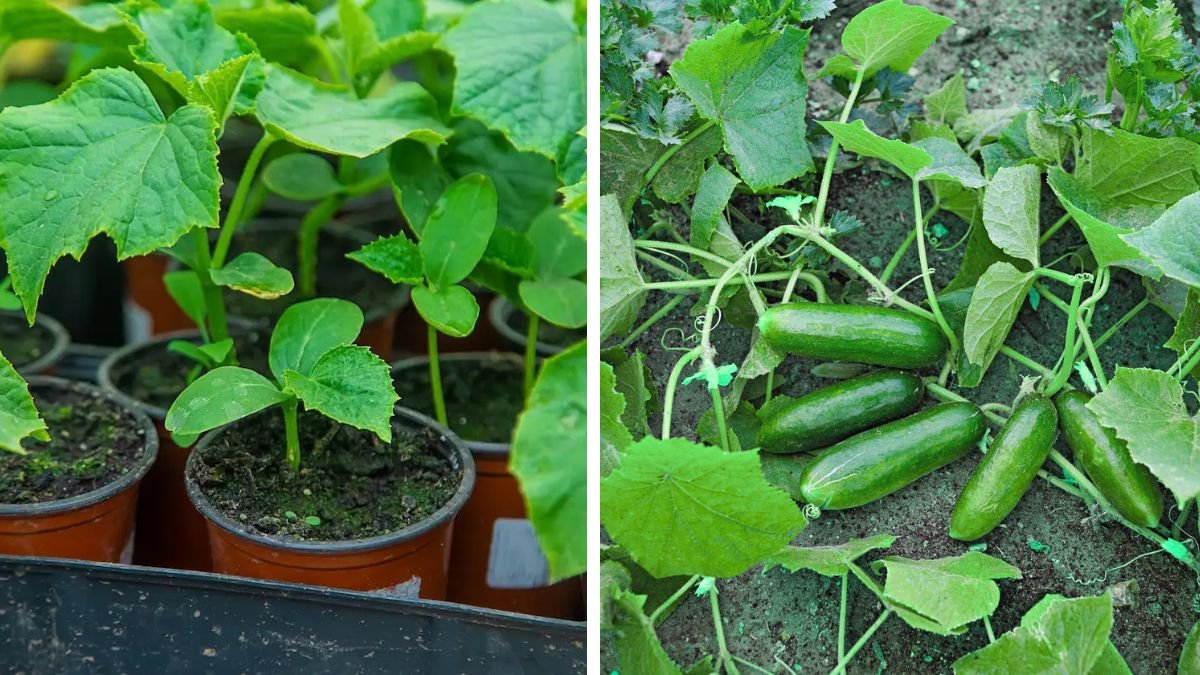
Cucumbers are a popular garden vegetable that can be easily grown in pots, making them ideal for gardeners with limited space or those who want to cultivate them on patios or balconies. This guide will walk you through everything you need to know to successfully grow cucumbers in pots, along with tips, tricks, and frequently asked questions.
Why Grow Cucumbers in Pots?
Growing cucumbers in pots offers numerous advantages:
Latest Posts
- A Comprehensive Guide to Successfully Growing Grape Vines in Your Backyard for Beginners and Experts Alike
- Best Tips for Successful Mango Growth in Containers
- Discover the Simple Steps for Successfully Growing Coriander in a Pot
- Discovering the Ultimate Guide to Growing African Violets from Leaf Cuttings
- Simple Techniques for Successfully Growing Seedless Grapes in Home Gardens
- Ultimate Guide to Growing Balsam Plants Naturally for Vibrant Blooms
- Discover the Secrets to Growing Lush Leek Leaves with Simple Hacks for Beginners
- How to Successfully Cultivate Sweet Cherries in the Unique Climate of Canada
- The Ultimate Guide to Successfully Growing Beautiful Succulent Garden Plants at Home
- A Comprehensive Guide to Growing Dhania from Seeds for Beginners
- Space-Saving: Perfect for small areas like balconies and patios.
- Controlled Environment: Containers allow you to control the soil quality, watering, and fertilizer more efficiently.
- Mobility: Pots can be moved to take advantage of sunlight and shelter from wind.
- Easier Pest Management: Keeping plants elevated can reduce problems with pests.
Choosing the Right Pot
Size
Cucumbers have deep roots, so it’s crucial to select an adequately sized pot. A minimum of a 5-gallon pot is recommended, with larger pots being even better. The pot should be at least 12–18 inches wide and deep.
Material
- Plastic or Resin: Lightweight and often have good drainage options.
- Clay: Excellent for airflow but can dry out quickly.
- Wood: Provides insulation but can rot over time if not properly treated.
Drainage

Ensure your pot has drainage holes at the bottom. Good drainage prevents root rot and promotes healthy growth.
Soil Requirements
Cucumbers thrive best in well-draining, nutrient-rich soil. Here’s how you can prepare the ideal mix:
- Base Soil: Use high-quality potting soil as your base.
- Organic Matter: Mix in compost to add nutrients.
- Aeration: Incorporate perlite or vermiculite for better aeration and drainage.
Selecting Cucumber Varieties
Not all cucumber varieties are suitable for container gardening. Some of the best options include:
- Bush Varieties: These are more compact and better suited for pots. Examples include ‘Patio Snacker’ and ‘Bush Champion’.
- Pickling Cucumbers: Varieties like ‘Boston Pickling’ work well in containers.
- Medium vining varieties: Such as ‘Marketmore’ will need support but can still thrive in pots.
Planting Cucumbers
When to Plant
Cucumbers are warm-season crops, needing temperatures of at least 70°F (21°C) before planting. In most regions, you can start seeds indoors 4-6 weeks before the last frost or sow seeds directly outside after the frost threat has passed.
Planting Steps

- Fill the pot with your prepared soil mix, leaving about an inch of space from the top.
- If using seeds, plant them 1 inch deep and space them about 6 inches apart. For transplants, space them similarly.
- Water the soil well after planting.
- If desired, place a trellis next to the seedlings for support as they grow.
Watering Cucumbers
Cucumbers require consistent moisture but do not like to sit in waterlogged soil. Here’s how to manage watering:
- Frequency: Water at least once a week, more often in hot weather.
- Technique: Ensure thorough watering so that the roots absorb moisture deeply.
- Signs of Need: Drooping leaves or dry soil are indicators that your cucumbers need watering.
Fertilizing Cucumbers
Feeding cucumbers is essential for healthy growth and bountiful harvests.
Fertilization Schedule
- Initial Fertilization: Incorporate slow-release fertilizer in the soil at planting.
- Mid-Growth: About 3-4 weeks after planting, switch to a balanced liquid fertilizer high in potassium, such as a 5-10-10 formulation.
Organic Options
If you prefer organic gardening, consider using compost tea or fish emulsion as fertilizers.
Supporting Your Cucumber Plants
Cucumbers can be sprawling plants, often needing support for effective growth, especially for vining varieties. Here’s how to provide support:
- Trellis or Fence: Install a trellis or use a sturdy fence for vining types.
- Cages: Tomato cages can also effectively support cucumber plants.
- Netting: For bush varieties, use netting for lighter support.
Pollination
Cucumbers produce both male and female flowers. While they can self-pollinate, you may want to encourage bees or hand-pollinate for better yields. Here’s how:
- Attract Bees: Plant flowers nearby to draw pollinators.
- Hand Pollination: Using a small brush, transfer pollen from male to female flowers if necessary.
Harvesting Cucumbers
Cucumbers are typically ready for harvest about 50-70 days after planting, depending on the variety.
When to Harvest
- Size: Harvest when cucumbers are 6-8 inches long for best flavor. Avoid letting them turn yellow.
- Frequency: Check daily once they start maturing.
Tips for Thriving Cucumber Plants
- Sunlight: Ensure they receive 6-8 hours of direct sunlight daily.
- Pest Management: Keep an eye out for common pests such as cucumber beetles and aphids. Use organic methods to control infestations.
- Disease Prevention: Rotate crops and avoid wetting the leaves to minimize disease risk.
Seasonal Care
Summer Care
During summer, monitor temperature and water more frequently as cucumbers can struggle in extreme heat.
Fall Care
As temperatures drop, prepare for the end of the growing season. Consider covering pots with mulch to retain warmth, or bring pots indoors during cooler nights.
FAQs
1. Can I grow cucumbers in a smaller pot?
While it’s possible, smaller pots can lead to root crowding and may affect growth and yield. A pot size of at least 5 gallons is recommended.
2. How often should I water my cucumber plants?
Cucumbers generally need watering once a week but may require more frequent watering in hot conditions or in well-draining soil.
3. Should I prune cucumber plants?
Pruning is not necessary, but removing some lower leaves can promote better airflow and reduce disease risk.

4. Do cucumbers prefer sun or shade?
Cucumbers thrive in full sunlight, requiring at least 6-8 hours of direct sunlight per day.
5. What pests should I watch out for?
Common pests include cucumber beetles, aphids, and spider mites. Regular inspections can help catch infestations early.
6. Can I grow cucumbers indoors?
Yes, if given sufficient light (consider grow lights), cucumbers can be grown indoors. Choose a compact variety for best results.
7. When should I fertilize my cucumber plants?
Start with a slow-release fertilizer at planting, and then use a balanced liquid fertilizer every few weeks during growth.
8. What should I do if my cucumbers are bitter?
Bitter cucumbers can result from inconsistent watering or high temperature. Ensure consistent moisture and shade them during extreme heat.
Conclusion
Growing cucumbers in pots is a rewarding experience, perfect for beginners and seasoned gardeners alike. With proper care, attention to watering, fertilizer application, and pest management, you’ll soon enjoy a bountiful harvest of fresh, crunchy cucumbers. Whether for salads, pickling, or snacking, homegrown cucumbers are a delightful addition to your culinary repertoire. Happy gardening!