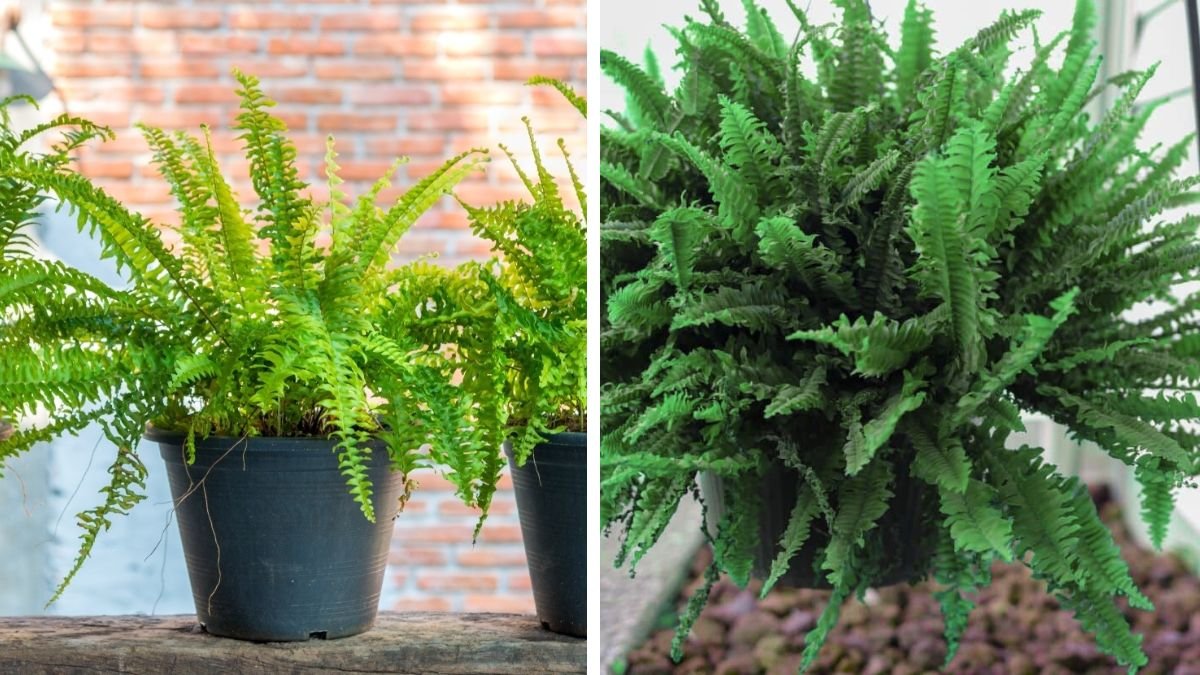
Boston ferns (Nephrolepis exaltata) are popular for their lush green fronds, making them a sought-after choice for gardens and outdoor landscapes. Their lush appearance adds a vibrant touch to any setting, but growing and maintaining these ferns requires specific care and knowledge about their natural habitat. In this article, we will explore the essential steps to successfully cultivate Boston ferns outdoors, ensuring you enjoy their beauty for years to come.
Understanding Boston Ferns
Natural Habitat
Latest Posts
- A Comprehensive Guide to Successfully Growing Grape Vines in Your Backyard for Beginners and Experts Alike
- Best Tips for Successful Mango Growth in Containers
- Discover the Simple Steps for Successfully Growing Coriander in a Pot
- Discovering the Ultimate Guide to Growing African Violets from Leaf Cuttings
- Simple Techniques for Successfully Growing Seedless Grapes in Home Gardens
- Ultimate Guide to Growing Balsam Plants Naturally for Vibrant Blooms
- Discover the Secrets to Growing Lush Leek Leaves with Simple Hacks for Beginners
- How to Successfully Cultivate Sweet Cherries in the Unique Climate of Canada
- The Ultimate Guide to Successfully Growing Beautiful Succulent Garden Plants at Home
- A Comprehensive Guide to Growing Dhania from Seeds for Beginners
Boston ferns are native to tropical regions and thrive in humid, shaded areas. In their natural habitat, they often grow under the canopy of taller trees, where they receive filtered sunlight. Recognizing their natural settings will help you replicate the conditions they need to flourish in your garden.
Characteristics
Boston ferns are deciduous with long, arching fronds that can reach several feet in length. These fronds are made up of smaller leaflets that give the fern its characteristic feathery look. The lush green foliage is not only aesthetically pleasing but also acts as a natural air purifier, enhancing the quality of the surrounding environment.
Steps to Successfully Grow Boston Ferns Outdoors
1. Select the Right Location
Choosing an appropriate location is crucial for the health of your Boston ferns. Here are a few tips:
- Shade: Look for a spot that receives dappled or filtered sunlight. Full shade is ideal.
- Moisture: Ensure the area is well-drained yet retains some moisture, as Boston ferns thrive in humid environments.
- Protection from Wind: Plant them in a location that protects them from strong winds, which can damage the fronds.

2. Prepare the Soil
Boston ferns prefer rich, organic soil with good drainage. Here’s how to prepare the soil:
- Soil pH: Aim for a slightly acidic to neutral pH (between 5.5 and 7).
- Organic Matter: Mix compost or well-rotted manure into the soil to improve fertility and moisture retention.
- Drainage: Ensure that the soil drains well to prevent root rot, which is common in overly saturated soil.
3. Planting Boston Ferns
Once you’ve prepared the right location and soil, it’s time to plant your Boston ferns.
- Timing: The best time to plant Boston ferns is during the spring after the last frost.
- Spacing: If planting multiple ferns, space them about 2 to 3 feet apart to allow room for growth.
- Depth: Dig a hole large enough to accommodate the root ball, typically about 1.5 times the size of the container it comes in. Plant at the same depth as it was in its nursery pot.

4. Watering
Watering is essential for maintaining the moisture levels that Boston ferns desire.
- Initial Watering: After planting, water thoroughly to help establish the roots.
- Consistency: Keep the soil consistently moist but not soggy. Water 1 to 2 times a week depending on the weather; more frequently during dry spells.
- Humidity: If you live in a particularly dry area, consider misting the fronds regularly or using a humidity tray to increase moisture around the plant.
5. Fertilization
Providing the necessary nutrients is crucial for the growth and health of Boston ferns.
- Type of Fertilizer: Use a balanced, water-soluble fertilizer, diluted to half strength.
- Frequency: Fertilize once a month during the growing season (spring and summer). Avoid fertilizing in the fall and winter when growth slows.
6. Pruning and Maintenance
Regular maintenance will help keep your Boston ferns looking their best.

- Pruning: Trim away dead or damaged fronds to promote healthier growth. This can be done in late winter or early spring.
- Cleaning: Remove any debris around the base of the plant to prevent pests and diseases.
7. Pest Control
Boston ferns can be vulnerable to certain pests, such as aphids, spider mites, and mealybugs. It’s essential to monitor them regularly.
- Inspection: Check the undersides of fronds and around the base for signs of infestations.
- Natural Remedies: Use insecticidal soap or neem oil to treat pest problems organically.
8. Winter Care
In regions with cold winters, extra care is needed to protect Boston ferns.
- Insulation: If the temperature dips significantly, mulch around the base with straw or shredded leaves to protect the roots.
- Container Plants: If planted in pots, consider bringing them indoors to prevent freezing.
Additional Tips for Lush Greenery

- Companion Planting: Consider planting Boston ferns alongside other shade-loving plants like hostas or astilbes to create a lush, diverse garden scene.
- Water Features: Adding a small water feature nearby can increase humidity levels and create a serene atmosphere, beneficial for your ferns.
- Mulching: Apply a layer of organic mulch around the plants to retain moisture and suppress weeds.
Frequently Asked Questions (FAQs)
1. Can Boston ferns survive in direct sunlight?
No, Boston ferns thrive in shady or dappled light conditions. Direct sunlight can scorch the leaves.
2. How often should I water my Boston ferns?
Water them about 1 to 2 times a week, ensuring the soil remains consistently moist but not soggy.
3. What kind of soil do Boston ferns need?
They prefer rich, organic, and well-drained soils with a slightly acidic to neutral pH.
4. Are Boston ferns prone to pests?
Yes, they can be affected by pests like aphids and spider mites. Regular inspection and treatment with natural remedies can keep them healthy.

5. How can I boost humidity for my Boston ferns?
Misting the fronds regularly or placing a humidity tray nearby can help increase the humidity around the ferns.
6. What should I do with my Boston ferns in the winter?
In colder climates, mulch around the base for insulation or bring containerized ferns indoors to protect them from freezing temperatures.
7. Can I propagate Boston ferns?
Yes, Boston ferns can be propagated by division. This is best done in spring when replanting your ferns.
8. How tall do Boston ferns grow?
Boston ferns can grow to be about 2 to 3 feet tall and wide, depending on their growing conditions.
Conclusion
Growing Boston ferns outdoors can significantly enhance your garden’s beauty and biodiversity. By following these simple steps—selecting the right location, preparing the soil, ensuring adequate moisture, and maintaining proper care—you can create a lush, vibrant scene that mirrors their natural habitat. Don’t forget to keep an eye on their health and adjust care routines according to the seasonal conditions, ensuring your Boston ferns thrive for years to come. With the right attention and love, these ferns can transform any outdoor space into a verdant oasis.