Introduction
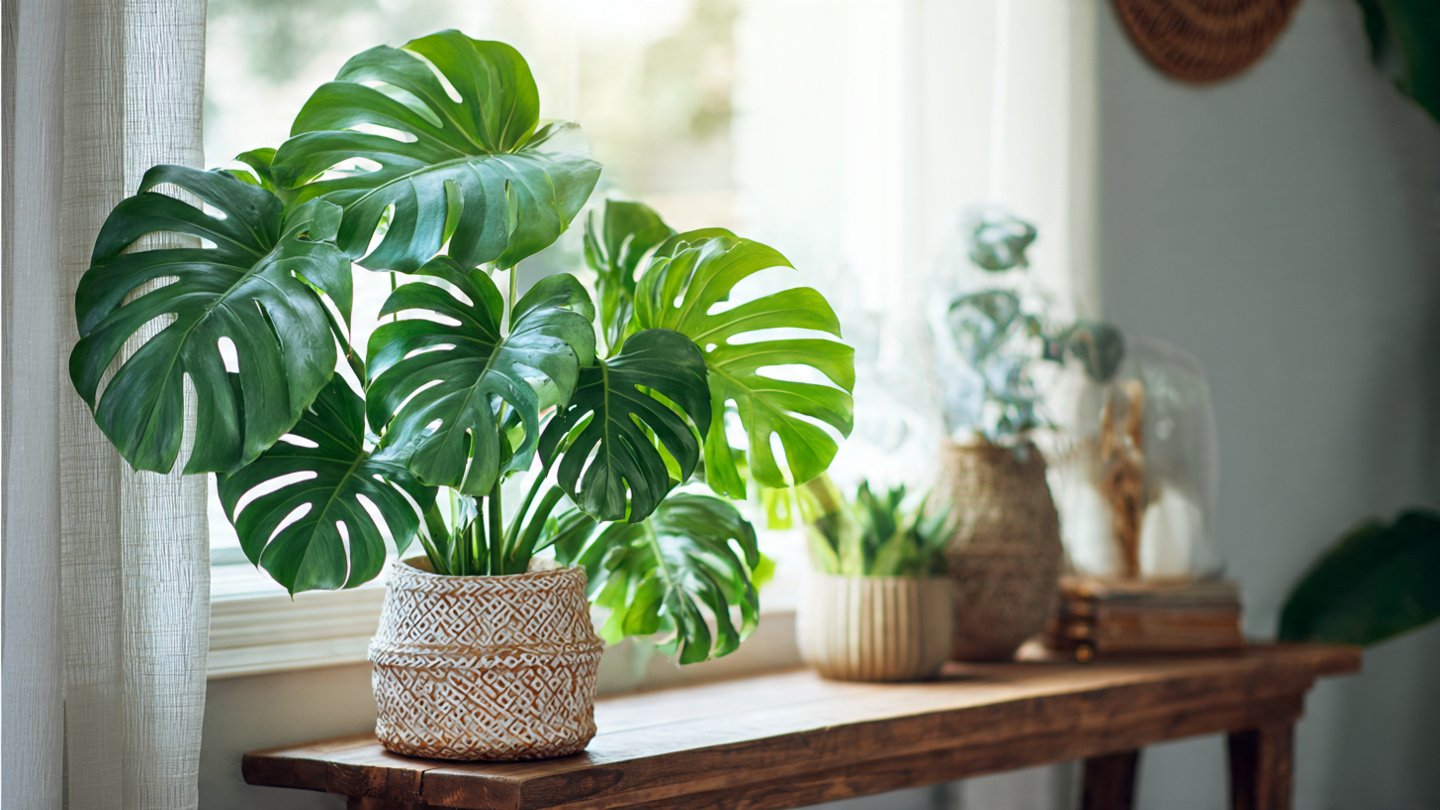
In the world of indoor plants, few can rival the beauty and allure of the Monstera Deliciosa, commonly known as the Swiss Cheese Plant. This tropical beauty, native to the rainforests of Central America, has captured the hearts of plant enthusiasts and interior decorators alike. With its strikingly unique leaves adorned with natural holes and splits, the Monstera not only contributes lush greenery to your space but also introduces an exotic, tropical vibe to your home decor.
Whether you’re an experienced plant parent or just starting out on your indoor gardening journey, this guide will unveil the secrets to growing a vibrant and thriving Monstera plant. From selecting the perfect potting mix to understanding optimal lighting conditions, let’s dive into the tips and tricks that will ensure your Monstera thrives.
Latest Posts
- A Comprehensive Guide to Successfully Growing Grape Vines in Your Backyard for Beginners and Experts Alike
- Best Tips for Successful Mango Growth in Containers
- Discover the Simple Steps for Successfully Growing Coriander in a Pot
- Discovering the Ultimate Guide to Growing African Violets from Leaf Cuttings
- Simple Techniques for Successfully Growing Seedless Grapes in Home Gardens
- Ultimate Guide to Growing Balsam Plants Naturally for Vibrant Blooms
- Discover the Secrets to Growing Lush Leek Leaves with Simple Hacks for Beginners
- How to Successfully Cultivate Sweet Cherries in the Unique Climate of Canada
- The Ultimate Guide to Successfully Growing Beautiful Succulent Garden Plants at Home
- A Comprehensive Guide to Growing Dhania from Seeds for Beginners
Understanding the Monstera Plant
Characteristics
Monstera plants are distinguished by their large, fenestrated leaves, which emerge in unique shapes as they mature. Young leaves are often solid green, while mature leaves boast those signature holes and splits that give the plant its nickname. Monstera plants are climbing vines in their natural habitat, so they enjoy being trained on supports like stakes or trellises.
Ideal Conditions
To flourish, Monstera requires specific environmental conditions. While they can adapt to various settings, understanding their preferences is key to a lush plant:
- Lighting: Bright, indirect sunlight is ideal. Direct sunlight can scorch their delicate leaves.
- Humidity: As tropical plants, Monstera thrives in high humidity levels. A humidity level around 60% is ideal.
- Temperature: They prefer temperatures between 65°F to 85°F (18°C – 29°C) and should be protected from drafts and sudden temperature changes.
Planting and Potting
Choosing the Right Pot

The right pot is crucial for your Monstera’s health. Consider pots with drainage holes to prevent root rot. Terra cotta pots are a popular choice because they allow for air exchange, which can promote healthy roots.
Potting Mix
Monstera enjoys a well-draining potting mix that retains some moisture without becoming waterlogged. A mix containing peat, pine bark, and perlite is highly beneficial. This combination provides both nutrients and aeration.
Repotting
Monitor your Monstera for signs that it needs to be repotted, such as root-bound conditions (roots growing out of the drainage holes) or slowed growth. Typically, repotting should occur every 1-2 years during the growing season (spring and summer).
Light Requirements
Finding the Perfect Spot
Monstera thrives in bright, indirect light. A spot near a window that gets filtered sunlight can be ideal. If your Monstera is near a window, consider using sheer curtains to filter harsh sunlight, preventing leaf burn.
Signs of Light Stress
If your Monstera’s leaves are turning yellow or becoming leggy (stretched out), it might be receiving too little light. Conversely, if the leaves are browning at the edges, it might be getting too much direct sunlight.
Watering
Establishing a Watering Schedule
Watering can vary based on the season and environment. During the growing season (spring and summer), your Monstera will need more frequent watering, approximately once a week. In contrast, reduce watering in the dormant season (fall and winter), perhaps to every two weeks.
How to Water
Always check the top inch of soil before watering. If it feels dry, it’s time to water. Water thoroughly, allowing excess water to drain from the pot’s base. Never let the plant sit in standing water, as this can lead to root rot.
Humidity and Temperature
Creating an Ideal Environment
As humidity is crucial for the Monstera’s health, aiming for at least 60% humidity is ideal. If your home is dry, consider these strategies:
- Use a Humidifier: This can help maintain humidity levels in your home.
- Grouping Plants: Placing plants close together can create a microclimate with higher humidity.
- Pebble Trays: Fill a tray with pebbles and water, placing your plant on top. As the water evaporates, it increases local humidity.
Temperature Considerations
Monitor your Monstera’s environment to avoid cold drafts, particularly in winter. Ideally, maintain a temperature that remains between 65°F (18°C) at night and a slightly warmer daytime temperature.
Fertilizing
Choosing the Right Fertilizer
During the growing season, feed your Monstera with a balanced, water-soluble fertilizer every month. Look for a fertilizer rich in nitrogen to support leaf growth. A 20-20-20 formula diluted to half strength is often effective.
Signs of Nutrient Deficiency
If your Monstera’s leaves appear pale or slow to grow, it might indicate a need for nutrients. Be careful not to over-fertilize, as this can lead to salt buildup in the soil.
Pruning and Training
Why Prune?
Pruning is essential for maintaining the shape and size of your Monstera. It encourages bushier growth and removes any yellowing or damaged leaves.
How to Prune
Utilize clean scissors or pruning shears to cut back any unwanted growth. Focus on removing older leaves or those that detract from the plant’s overall appearance.
Training the Plant
If you are interested in encouraging upward growth, use stakes or trellises. Attach the Monstera gently to the support using soft ties, promoting a natural climbing habit.
Pests and Problems
Common Pests
Monstera plants may attract pests like spider mites, mealybugs, and scale. Regularly inspect your plant for any signs of infestation:
- Spider Mites: Look for webbing and discoloration on leaves.
- Mealybugs: These appear as white cotton-like spots on the stems and leaves.
- Scale: Identify them by their shell-like appearance.
Treatment Options
Most pest problems can be managed with neem oil. Mix neem oil with water and spray it on affected areas, being sure to cover the undersides of leaves.
Handling Yellowing Leaves
Yellowing leaves can result from over-watering, under-watering, insufficient light, or nutrient deficiency. Address the underlying issue, and your Monstera should bounce back.
Final Touches: Styling Your Monstera
Monstera plants can serve as statement pieces in your home decor. To style them effectively:
- Choose the Right Location: Position your Monstera in an area where it can grow without obstruction while making a visual impact.
- Complementary Decor: Surround the plant with accessories that highlight its tropical allure—think woven baskets or colorful pottery.
- Layer with Other Plants: Combine your Monstera with a variety of other houseplants—ferns, pothos, or peace lilies—to create a lush indoor jungle.
FAQs
1. How often should I water my Monstera?
Water approximately once a week during the growing season and every two weeks in the winter. Always check the top inch of soil before watering.
2. Why are my Monstera leaves turning yellow?

Yellowing can result from over-watering, insufficient light, or a nutrient deficiency. Examine your care routine to identify the cause.
3. Does my Monstera need to be repotted?
If roots are growing out of the drainage holes or the plant is stunted in growth, it’s time to repot, typically every 1-2 years.
4. Can Monstera survive in low light?
While they can tolerate low light, Monstera thrives best in bright, indirect light for optimal growth and leaf development.
5. How can I increase humidity for my Monstera?
Use a humidifier, group plants together, or place a tray of water and pebbles under your plant to raise the humidity around it.
6. What should I do about pests on my Monstera?
Inspect regularly for pests. Treat infestations with neem oil or insecticidal soap to manage and prevent further outbreaks.
Conclusion
Growing a lush Monstera plant is truly rewarding. With proper care and attention to its specific needs, this stunning plant can become a centerpiece in your tropical-inspired home decor. Whether you’re creating a serene corner of greenery or styling it as an eye-catching focal point, the Monstera Deliciosa will undoubtedly draw admiration. Embrace the tropical vibes, and let your Monstera flourish!