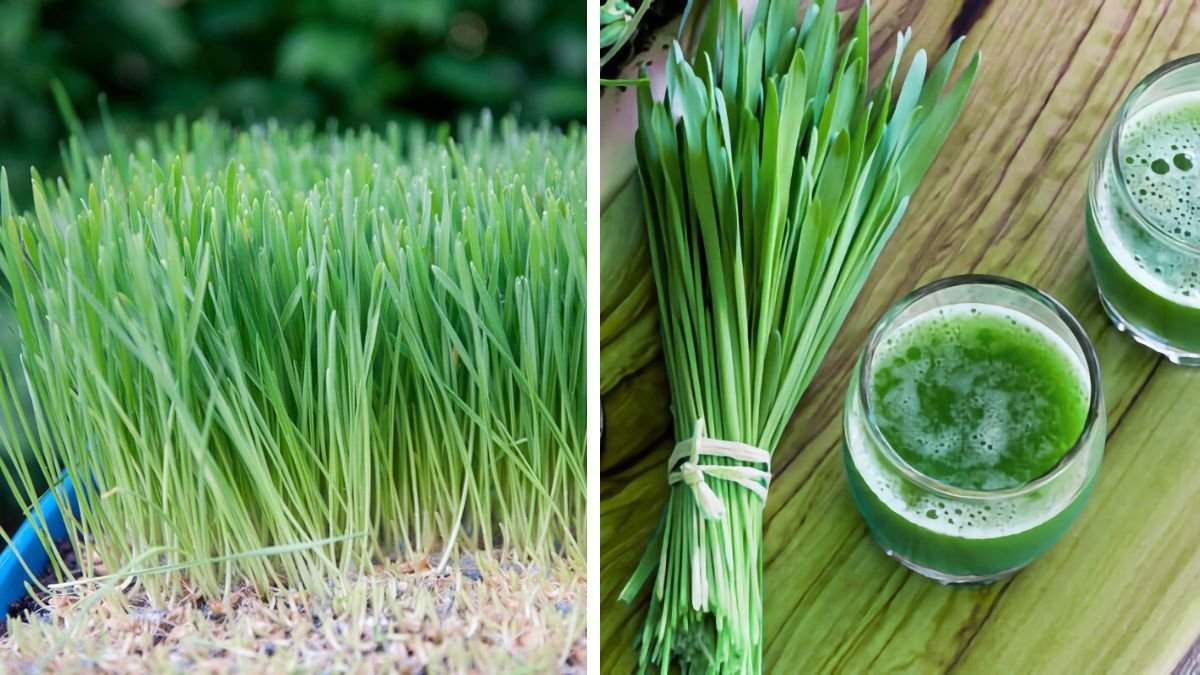
Wheatgrass has emerged as a superfood celebrated for its numerous health benefits. Rich in vitamins, minerals, enzymes, and antioxidants, it’s a fantastic addition to your diet, particularly when juiced. Growing wheatgrass at home is a straightforward process that can reap nutritious rewards. This article delves deep into the best tips for cultivating fresh wheatgrass right in your own kitchen, including step-by-step instructions, essential care guidelines, and answers to frequently asked questions.
What is Wheatgrass?
Wheatgrass is derived from the young shoots of the wheat plant (Triticum aestivum). Although it’s typically consumed in juice form, it can also be mixed into smoothies, salads, or taken in powder form. Wheatgrass is highly regarded for its potential health benefits, including:
Latest Posts
- A Comprehensive Guide to Successfully Growing Grape Vines in Your Backyard for Beginners and Experts Alike
- Best Tips for Successful Mango Growth in Containers
- Discover the Simple Steps for Successfully Growing Coriander in a Pot
- Discovering the Ultimate Guide to Growing African Violets from Leaf Cuttings
- Simple Techniques for Successfully Growing Seedless Grapes in Home Gardens
- Ultimate Guide to Growing Balsam Plants Naturally for Vibrant Blooms
- Discover the Secrets to Growing Lush Leek Leaves with Simple Hacks for Beginners
- How to Successfully Cultivate Sweet Cherries in the Unique Climate of Canada
- The Ultimate Guide to Successfully Growing Beautiful Succulent Garden Plants at Home
- A Comprehensive Guide to Growing Dhania from Seeds for Beginners
- High chlorophyll content, which is thought to help detoxify the body.
- An abundance of vitamins A, C, and E.
- Minerals like calcium, magnesium, and iron.
- Amino acids and enzymes essential for digestion.
Choosing the Right Wheatgrass Seeds
The first step in growing wheatgrass is selecting high-quality seeds. Here are some tips for choosing the right seeds:
- Organic Seeds: Look for certified organic seeds to avoid pesticides and harmful chemicals.
- Fresh Seeds: Ensure the seeds are fresh by checking the expiry date and sourcing them from a reputable supplier.
- Varieties: Soft wheat, particularly the hard red variety, is commonly used for wheatgrass due to its high nutrient content.

Materials Needed
Before beginning the planting process, gather the following materials:
- Wheatgrass Seeds: Approximately 1 cup for each tray.
- Growing Trays: Shallow trays with drainage holes (1-2 inches deep).
- Soil: Organic potting soil or soil-less growing medium.
- Spray Bottle: For watering and maintaining moisture.
- Light Source: Natural sunlight or grow lights for optimal growth.
- Plastic Wrap or Lid: To create a greenhouse effect initially.
Step-by-Step Guide to Growing Wheatgrass
Step 1: Preparing the Seeds
- Rinse: Rinse 1 cup of wheatgrass seeds under cool water to remove any contaminants.
- Soak: Place the seeds in a bowl of water and soak them for 8-12 hours. This softens the seed coat and speeds up germination.
Step 2: Preparing the Trays
- Soil Layering: Fill your growing trays with 1-2 inches of organic potting soil. Level the soil gently and do not compact it too tightly.
- Moisten the Soil: Lightly spray the soil with water to ensure it is damp but not soggy.
Step 3: Planting the Seeds
- Distribute Seeds: After soaking, drain the seeds and evenly spread them over the surface of the damp soil.
- Cover: Lightly sprinkle a thin layer of soil over the seeds to shield them from light, as they germinate better in the dark.
Step 4: Creating a Greenhouse Effect
- Cover the Tray: Use plastic wrap or a lid to cover the tray. This helps maintain humidity and encourages germination.
- Warm Environment: Place the tray in a warm, dark area (around 75-80°F is ideal) for 2-4 days.
Step 5: Watering and Light Exposure
- Remove Cover: Once the seeds have sprouted (after 2-4 days), remove the cover.
- Watering: Begin watering the wheatgrass daily with a spray bottle to keep the soil moist but not overly saturated.
- Light Source: Move the tray to a bright location, ensuring it receives about 12-16 hours of light each day. If sunlight is lacking, consider using grow lights.
Step 6: Growth Stage
- Monitor Growth: Wheatgrass will typically grow 6-12 inches tall in about 7-14 days. During this time, ensure the grass remains hydrated and receives adequate light.
- Rotate the Tray: If using natural sunlight, rotate the tray periodically to ensure even growth.
Step 7: Harvesting
- When to Harvest: The wheatgrass is ready to harvest when it reaches about 6-8 inches in height and before it begins to turn yellow or flower (around 7-14 days post-sowing).
- How to Harvest: Use sharp scissors to cut the wheatgrass just above the soil line. You can harvest up to two-thirds of the grass to encourage regrowth.
Step 8: Juicing Wheatgrass
- Juicing Techniques: Freshly harvested wheatgrass can be juiced using a masticating juicer for the best extraction of nutrients. If a juicer is unavailable, wheatgrass can also be blended with water and strained.
- Serving Suggestions: Use wheatgrass juice alone or mix it with other fruit or vegetable juices for added flavor and nutrients.
Tips for Successful Wheatgrass Cultivation
- Maintain Moisture: Always monitor moisture levels, especially during hot weather. Regularly mist the grass to prevent it from drying out.
- Air Circulation: Ensure good air circulation to prevent mold growth. Avoid overcrowding the seeds in the tray.
- Sterilizing Equipment: Sterilize trays and tools to minimize the risk of fungal infections.
- Temperature Regulation: Keep wheatgrass in a temperature-controlled area, ideally between 60-75°F.
- Storing Wheatgrass Juice: Wheatgrass juice is best consumed fresh but can be stored in an airtight container in the refrigerator for up to 24 hours.

Common Challenges
- Mold Growth: If mold occurs, it could be due to excess moisture. Reduce watering and increase air circulation.
- Yellowing: Yellowing grass could indicate nutrient deficiency or improper lighting. Ensure adequate light exposure and consider using nutrient-rich soil for better growth.
Frequently Asked Questions (FAQs)
1. How often should I water wheatgrass?
Wheatgrass should be watered lightly daily, ensuring that the soil remains moist but not soggy. Using a spray bottle works well to maintain the right moisture level.
2. Can I grow wheatgrass indoors?
Yes, wheatgrass can be grown indoors. Make sure it receives adequate light (12-16 hours) from a natural source or supplemental grow lights.
3. How long does it take for wheatgrass to grow?
Wheatgrass typically takes between 7-14 days to grow to harvestable height, depending on environmental conditions like temperature and light.
4. What is the best time to harvest wheatgrass?
Wheatgrass is best harvested when it is 6-8 inches tall, usually around 7-14 days post-sowing. It should be lush and green without any yellow or flowering.

5. Can I reuse the soil after harvesting?
It’s not recommended to reuse soil due to potential disease and nutrient depletion. It’s better to start with fresh soil for optimal growth in your next crop.
6. Is wheatgrass safe for everyone to consume?
While wheatgrass is generally safe for most people, individuals with wheat allergies or celiac disease should avoid it. If you have health concerns, consult with a healthcare professional before consumption.
7. How should I store harvested wheatgrass?
Freshly harvested wheatgrass is best consumed immediately. If needed, store it in an airtight container in the refrigerator for up to 24 hours. Freezing it is also an option for longer storage, but freshness may impact nutritional quality.
Conclusion
Growing fresh wheatgrass at home is a rewarding endeavor that not only enriches your diet but also promotes overall health. By following the steps outlined in this guide, you can successfully cultivate your wheatgrass and enjoy its myriad benefits in the form of juice or as an additive in various dishes. Embrace this green powerhouse, and enjoy its bountiful nutrient offerings right from your kitchen!