Introduction to Home Vegetable Gardening
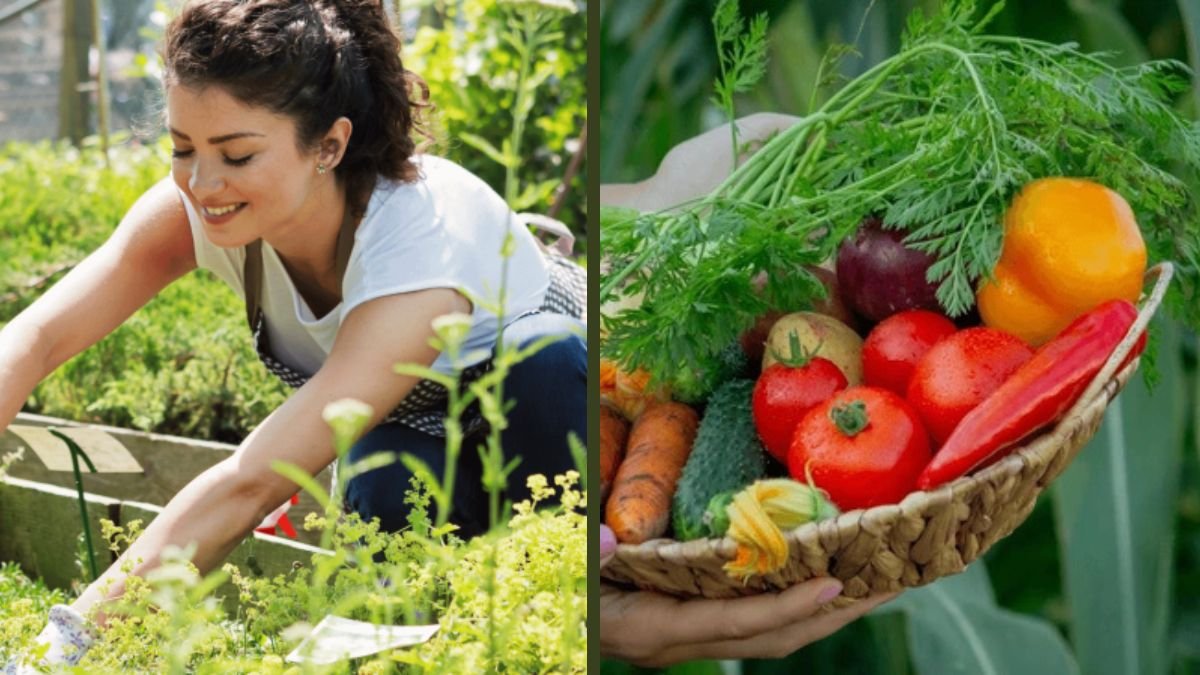
Home gardening is both a hobby and a way to secure fresh vegetables. A young gardener can transform her balcony, terrace, or backyard into a productive vegetable oasis. Fresh vegetables are tastier, safer, and more nutritious than store-bought produce. Modern techniques allow higher yields even in small spaces. This approach inspires healthy eating and self-sufficiency. With the right methods, vegetables grow faster, stronger, and in abundance. This article explores the secrets of a beautiful home garden that produces consistently fresh harvests. Easy-to-follow tips ensure beginners succeed quickly.
Choosing the Right Vegetables for Home Gardens
Leafy greens, cherry tomatoes, chili, beans, cucumbers, and herbs are ideal for small-space gardening. Short-season crops produce multiple harvests. Compact varieties save space. Nutrient-dense vegetables improve diet. Easy-to-grow crops reduce maintenance. Choosing suitable crops ensures high yield. Variety selection influences overall success. Smart choices lead to abundant harvests.
Preparing Soil for Maximum Productivity
Healthy soil is the foundation of any garden. Mix garden soil, compost, and coco peat for fertile growing medium. Organic matter retains moisture and improves nutrients. Avoid heavy or waterlogged soil. Good aeration supports root development. Soil pH should be slightly acidic to neutral. Proper soil ensures healthy growth. Preparation improves yield and vegetable quality.
Container Gardening for Small Spaces
Containers allow flexible gardening in limited spaces. Use pots, buckets, or recycled materials. Ensure drainage holes for healthy roots. Containers prevent soil-borne diseases. Plants are easier to move for sunlight exposure. Vertical containers maximize space. Multiple containers create a layered look. Container gardening increases efficiency.

Watering Techniques for Healthy Vegetables
Consistent watering is key. Overwatering leads to root rot, while underwatering stresses plants. Use drip irrigation or manual watering. Morning watering is best. Soil should remain moist but not soggy. Watering affects leaf color, texture, and fruit development. Proper hydration increases yield. Balanced watering supports long-term growth.
Latest Posts
- A Comprehensive Guide to Successfully Growing Grape Vines in Your Backyard for Beginners and Experts Alike
- Best Tips for Successful Mango Growth in Containers
- Discover the Simple Steps for Successfully Growing Coriander in a Pot
- Discovering the Ultimate Guide to Growing African Violets from Leaf Cuttings
- Simple Techniques for Successfully Growing Seedless Grapes in Home Gardens
- Ultimate Guide to Growing Balsam Plants Naturally for Vibrant Blooms
- Discover the Secrets to Growing Lush Leek Leaves with Simple Hacks for Beginners
- How to Successfully Cultivate Sweet Cherries in the Unique Climate of Canada
- The Ultimate Guide to Successfully Growing Beautiful Succulent Garden Plants at Home
- A Comprehensive Guide to Growing Dhania from Seeds for Beginners
Fertilizing for High-Yield Growth
Vegetables in containers need regular feeding. Compost tea, vermicompost, or organic liquid fertilizers are ideal. Avoid excessive nitrogen, which promotes leaves over fruits. Feed every 1-2 weeks. Balanced nutrition ensures healthy vegetables. Fertilization influences taste and texture. Healthy plants produce more harvests. Organic feeding maintains soil quality.
Sunlight Requirements
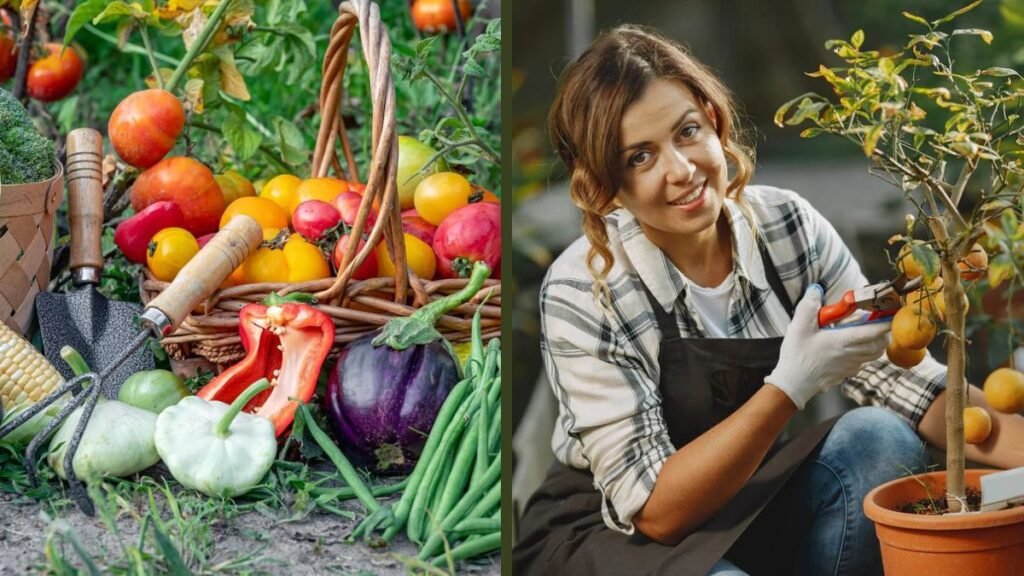
Vegetables require 5-6 hours of sunlight. Place containers or beds where light is consistent. Rotate containers for even exposure. Shade-sensitive crops need morning sunlight. Proper sunlight encourages strong stems and rich colors. Light affects photosynthesis and fruit production. Observation helps maximize yield. Sunlight management is crucial.
Pruning and Training Techniques
Prune leafy vegetables and vines regularly. Remove dead or weak leaves. Vertical plants need trellises or stakes. Training improves airflow and sunlight penetration. Supports prevent damage and disease. Pruning encourages continuous growth. Healthy canopy improves harvest quality. Proper technique ensures high yield.
Pest and Disease Control
Inspect plants daily. Use neem oil or mild organic sprays. Remove affected leaves. Maintain proper spacing for airflow. Avoid chemical sprays. Healthy soil reduces pest infestation. Pest management increases productivity. Early intervention prevents losses.
Harvesting Tips
Pick vegetables at the right stage. Young leaves and tender fruits taste best. Frequent harvesting encourages regrowth. Use sharp scissors to prevent damage. Harvesting time affects yield and flavor. Morning harvests retain freshness. Proper handling extends storage life. Regular harvest ensures continuous supply.
Vegetable Growth Comparison Table
| Vegetable Type | Space Required | Yield Potential |
|---|---|---|
| Leafy Greens | Small | High |
| Tomatoes | Medium | Moderate |
| Beans | Medium | High |
| Herbs | Minimal | Continuous |
Mulching and Soil Protection
Mulch reduces evaporation. Protects roots from temperature fluctuations. Suppresses weeds. Organic mulches like straw or leaves improve soil fertility. Mulching conserves water and promotes growth. Healthy soil ensures high yield. Mulch reduces maintenance. Benefits overall productivity.
Companion Planting
Planting complementary crops together increases growth. Tomatoes with basil, carrots with onions, or chili with lettuce improve productivity. Companion planting reduces pests naturally. Improves soil health. Increases biodiversity. Boosts overall garden yield. Strategic planting is effective.
Seasonal Planning for Continuous Harvest
Plan crops according to seasons. Rotate crops to avoid soil depletion. Plant short-season vegetables for repeated harvests. Timing affects flavor, texture, and nutrition. Seasonal planning maximizes space use. Prevents pest buildup. Improves long-term productivity. Garden planning is essential.
Creative Vertical Gardening Ideas
Use vertical towers, wall pockets, or hanging pots. Save space in small areas. Vertical gardens improve airflow. Easy to access for watering and harvest. Vertical setups create aesthetic appeal. Ideal for urban homes. Allows multiple crops in small areas. Creative ideas improve productivity.
Organic Practices for Safe Vegetables
Avoid chemicals. Use natural fertilizers and pest control. Improves taste and nutrition. Safe for children and pets. Organic vegetables maintain soil health. Sustainable and eco-friendly. Encourages responsible gardening. Organic practices enhance quality.
Why Home-Grown Vegetables Are Superior
Freshness and flavor surpass store-bought produce. Nutrient retention is higher. Free from preservatives and chemicals. Continuous supply ensures diet variety. Gardening promotes mindfulness and satisfaction. Better control over growth conditions. Improves health and well-being. Self-grown vegetables are unmatched.
Motivation and Inspiration
Gardening encourages creativity. Provides fresh food daily. Builds confidence in beginners. Reduces dependency on markets. Inspires others in the household. Combines aesthetic beauty with utility. Offers relaxation and productivity. Gardening becomes a lifestyle.
Final Conclusion
Home vegetable gardening is both beautiful and productive. With proper care, fresh vegetables grow abundantly. A young gardener can create a high-yield, healthy garden at home. Techniques like container gardening, pruning, feeding, and vertical planting maximize results. Home-grown vegetables are nutritious, tasty, and sustainable. Anyone can start gardening and enjoy continuous harvests. Fresh, high-quality vegetables become a daily delight.