Introduction to Milk Can Gardening
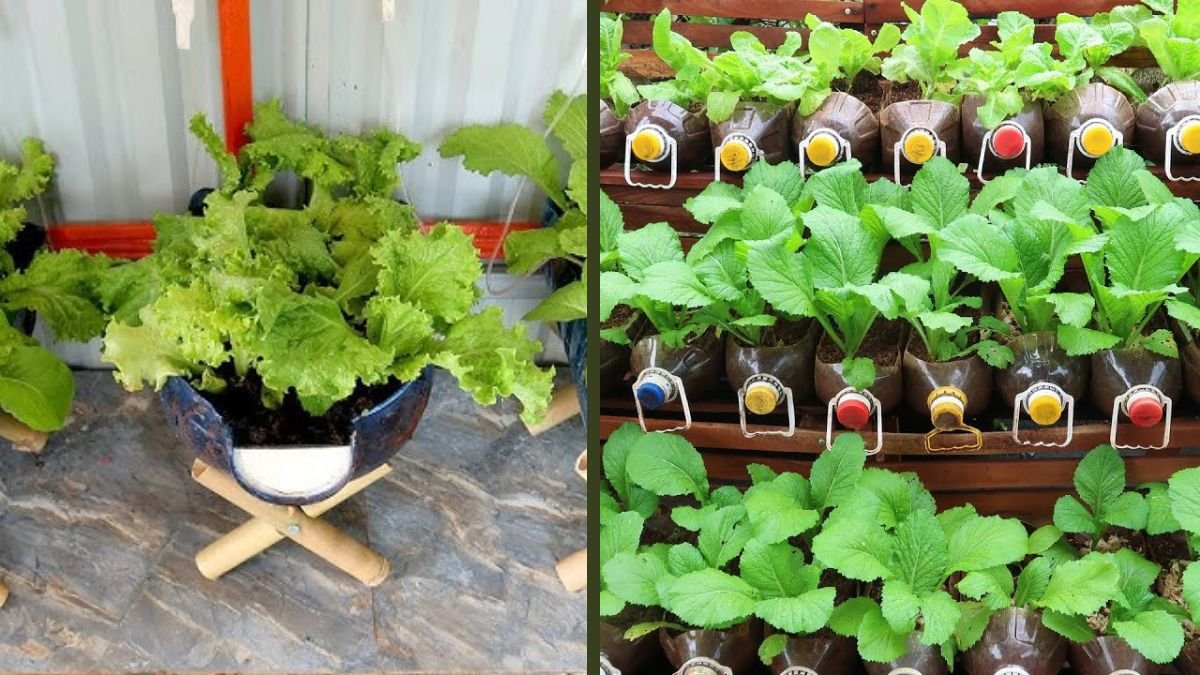
Repurposing old milk cans for gardening is an eco-friendly and creative solution. They can be transformed into a two-tier hanging garden for growing fresh greens. This method saves space and adds charm to small balconies or patios. Milk cans are sturdy, portable, and ideal for container gardening. Using them reduces plastic dependency and gives a vintage aesthetic. Herbs, lettuce, spinach, and other leafy vegetables thrive in this setup. Beginners can start easily. This article explains the complete step-by-step method.
Why Choose Milk Cans for Gardening
Milk cans are durable and corrosion-resistant if treated properly. Their cylindrical shape allows vertical stacking. Handles make them easy to hang securely. Drainage can be customized easily. Reusing milk cans promotes sustainability. The design improves air circulation around plants. Vertical orientation maximizes sunlight exposure. Milk cans are versatile for multiple crops.
Best Vegetables and Greens for Milk Can Garden
Leafy greens like spinach, kale, lettuce, and coriander are ideal. Herbs like basil, mint, and parsley also grow well. Small root vegetables such as radish or baby carrot are suitable. Avoid heavy fruiting plants unless cans are reinforced. Seasonal greens perform best. Companion planting is possible. Proper plant choice ensures successful growth. Milk can depth allows sufficient root space for small crops.

Selecting and Preparing Milk Cans
Choose clean and rust-free milk cans. Wash thoroughly and remove labels. Drill small drainage holes at the base. Apply a protective layer of paint if necessary. Ensure the top is open for soil filling. Handles should be sturdy for hanging. Proper preparation increases lifespan. Safety is critical for hanging systems.
Creating a Two-Tier Hanging Structure
Use strong metal rods or chains to suspend the cans. Position one can above the other with adequate vertical space. Ensure stable anchoring to walls or beams. Top tier should not block sunlight for the lower tier. Balance weight evenly to prevent tilting. Secure all hooks tightly. Proper design prevents accidents. Adjustable heights improve convenience.
Latest Posts
- A Comprehensive Guide to Successfully Growing Grape Vines in Your Backyard for Beginners and Experts Alike
- Best Tips for Successful Mango Growth in Containers
- Discover the Simple Steps for Successfully Growing Coriander in a Pot
- Discovering the Ultimate Guide to Growing African Violets from Leaf Cuttings
- Simple Techniques for Successfully Growing Seedless Grapes in Home Gardens
- Ultimate Guide to Growing Balsam Plants Naturally for Vibrant Blooms
- Discover the Secrets to Growing Lush Leek Leaves with Simple Hacks for Beginners
- How to Successfully Cultivate Sweet Cherries in the Unique Climate of Canada
- The Ultimate Guide to Successfully Growing Beautiful Succulent Garden Plants at Home
- A Comprehensive Guide to Growing Dhania from Seeds for Beginners
Soil Preparation for Milk Can Gardening
Use a light, fertile mix of garden soil, compost, and cocopeat. Ensure proper aeration and drainage. Avoid compacted soil to prevent root rot. Organic fertilizers enhance growth. Balanced nutrients encourage lush green leaves. Soil moisture should be maintained without waterlogging. Layering soil with compost improves fertility. Good soil ensures healthy plants.
Planting Greens in Milk Cans
For leafy greens, sow seeds directly in soil. Maintain proper spacing to prevent overcrowding. For transplanted seedlings, make small holes and plant gently. Firm soil around roots without compacting. Water lightly after planting. Ensure plants are positioned for sunlight exposure. Proper planting supports fast growth. Vertical setup allows efficient use of space.
Watering and Moisture Management
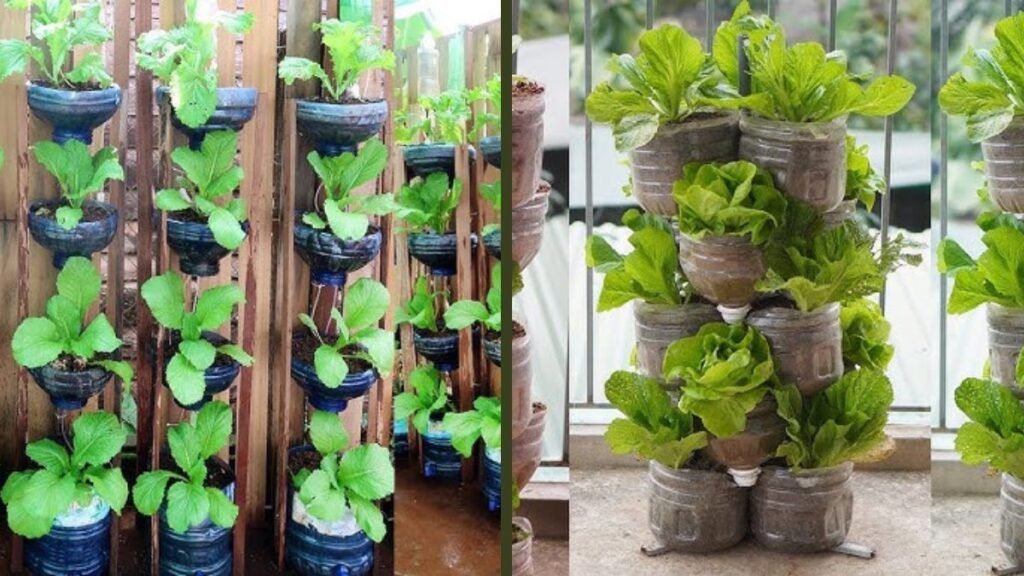
Milk cans retain moisture well but require careful watering. Use watering can or drip irrigation. Water early in the day to prevent fungal issues. Avoid overwatering, which causes root rot. Maintain moderate humidity around plants. Spray leaves occasionally to enhance growth. Observe soil moisture daily. Correct watering ensures healthy greens.
Sunlight Requirements
Leafy vegetables need at least six hours of sunlight daily. Position cans where sunlight reaches both tiers. Partial shade is acceptable for sensitive plants. Rotate cans if possible to maximize exposure. Adequate sunlight improves photosynthesis and leaf color. Avoid harsh afternoon sun in hot climates. Vertical arrangement helps light distribution. Proper light management boosts yield.
Fertilizer and Nutrient Tips
Feed plants with organic compost or liquid fertilizers. Nitrogen-rich fertilizers promote leafy growth. Apply fertilizers every two weeks for optimal results. Avoid excessive chemical fertilizers. Balanced nutrition improves taste and health benefits. Container plants need careful monitoring of nutrients. Fertilizer application should be light but consistent. Healthy feeding encourages continuous harvest.
Pest and Disease Management
Monitor plants regularly for pests like aphids or whiteflies. Spray neem oil or mild organic solutions if necessary. Remove infected leaves immediately. Good air circulation reduces fungal infection. Avoid overcrowding of plants. Proper hygiene prevents common container plant problems. Early detection ensures healthier crops. Eco-friendly pest control is preferred.
Harvesting Leafy Greens
Harvest leaves regularly to encourage new growth. Pick outer leaves first. Avoid uprooting the plant entirely. Regular harvesting increases yield. Spinach and lettuce can be harvested in 3–4 weeks. Herbs can be cut selectively without harming the plant. Timely harvest ensures freshness. Hanging design simplifies picking.

Advantages of Two-Tier Milk Can Garden
Maximizes vertical space. Eco-friendly and creative. Reduces plastic dependency. Improves air circulation and sunlight exposure. Easy maintenance. Supports multiple crops. Portable and durable. Urban-friendly gardening solution.
Comparison: Traditional Pot Gardening vs Milk Can Vertical Gardening
| Aspect | Traditional Pots | Milk Can Hanging Garden |
|---|---|---|
| Space Usage | Medium | Small and Vertical |
| Air Circulation | Moderate | Excellent |
| Sunlight Exposure | Variable | Optimal Vertical Distribution |
| Maintenance | Moderate | Easy to Access |
| Sustainability | Low | High |
Creative Tips for Hanging Milk Can Garden
Decorate cans with paint or stickers. Use recycled chains or ropes for hanging. Combine different herbs and greens for variety. Add small flowers for aesthetics. Rotate tiers seasonally for sunlight. Experiment with companion planting. Place in balcony or patio corners. Creativity improves productivity and appeal.
Long-Term Care Tips
Prune regularly. Remove dead leaves. Rotate soil periodically. Water consistently. Monitor pests and diseases. Fertilize periodically. Maintain support structure. Consistent care ensures long-term productivity.

Troubleshooting Common Issues
Yellow leaves indicate nutrient deficiency. Stunted growth may be due to insufficient sunlight. Root rot occurs from overwatering. Pest infestations reduce yield. Correct problems early. Adjust watering, light, and nutrients. Troubleshooting prevents plant loss. Observation is key to success.
Conclusion
Turning old milk cans into a two-tier hanging garden is sustainable, space-saving, and highly productive. Fresh greens like spinach, lettuce, and herbs thrive in this setup. Proper care, sunlight, and nutrition ensure continuous harvest. It is a beginner-friendly, eco-conscious, and creative gardening method. Start transforming old milk cans today and enjoy fresh, homegrown greens.