Paragraph 1: Introduction to Mint Gardening
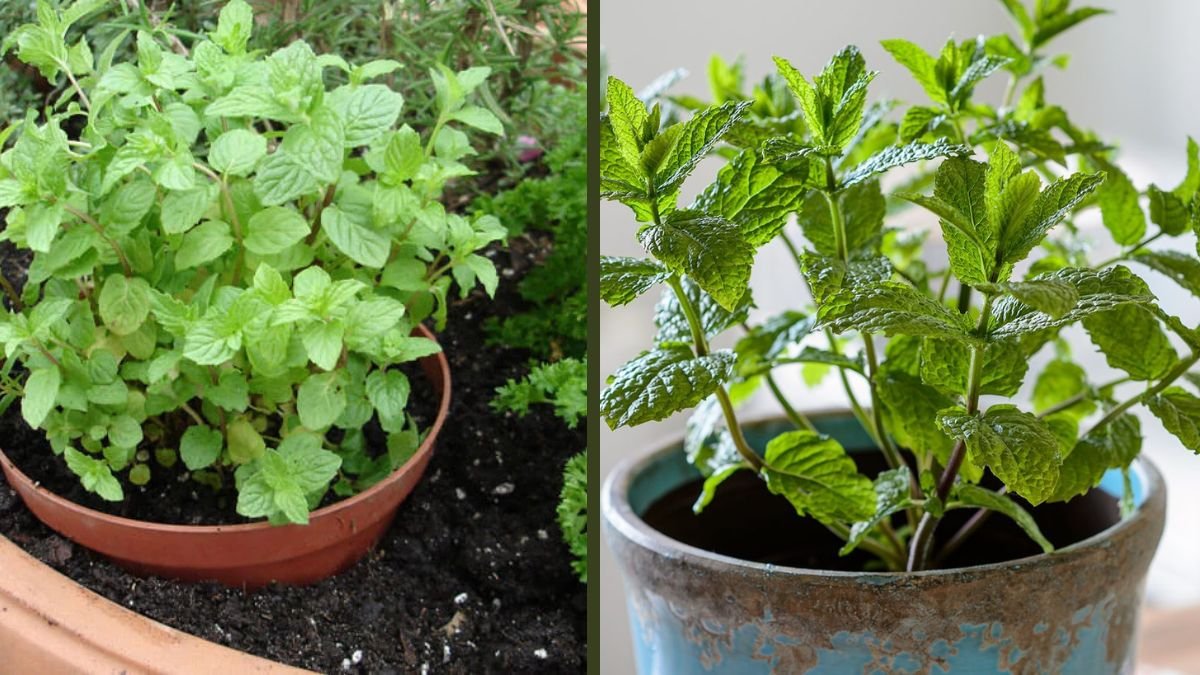
Mint is a versatile herb widely used in cooking, beverages, and traditional medicine. Growing mint at home is easy and rewarding due to its vigorous growth. It thrives in containers, gardens, or even small balcony pots. With proper care, mint produces aromatic leaves year-round. Its refreshing flavor adds zest to teas, salads, and desserts. Mint also attracts beneficial insects while repelling pests. Beginners can cultivate mint successfully with simple techniques. The plant’s fast growth makes it perfect for continuous harvesting. This guide offers tips and tricks for thriving mint plants.
Paragraph 2: Why Grow Mint at Home
Home-grown mint ensures fresh, chemical-free leaves for culinary and medicinal use. Store-bought mint may be treated with pesticides or lose aroma over time. Growing mint indoors or in small spaces reduces waste and ensures sustainability. Mint is low-maintenance and grows quickly. It is ideal for container gardening and urban homes. Having mint at home saves money and enhances cooking quality. Gardening also provides therapeutic benefits. Fresh leaves are always available. Mint is an excellent beginner-friendly herb.
Paragraph 3: Varieties of Mint for Home Gardening
There are several mint varieties to grow at home, including spearmint, peppermint, chocolate mint, and apple mint. Each variety has a distinct aroma and flavor. Spearmint is ideal for teas and salads, while peppermint has a strong cooling flavor. Chocolate mint adds sweetness to desserts. Apple mint offers a fruity aroma for beverages. Choosing the right variety depends on personal preference and climate. Some varieties grow better in containers. Selecting the best mint type ensures maximum flavor and productivity. Varieties affect care and harvesting schedule.
Paragraph 4: Choosing the Right Location
Mint grows best in partial sunlight or dappled shade. Too much direct sun can cause leaf burn, while insufficient light slows growth. Choose a location that receives 4–6 hours of sunlight. Containers can be moved indoors or outdoors as needed. Avoid placing mint near strong winds. Mint also grows well near kitchen windows for easy access. Proper location affects flavor and vigor. Sunlight, humidity, and airflow determine plant health. Location plays a crucial role in consistent growth.

Paragraph 5: Soil Requirements for Mint
Mint prefers moist, well-draining soil rich in organic matter. A mixture of garden soil, compost, and sand works best. Avoid heavy clay soil that retains too much water. Proper soil prevents root rot and encourages healthy leaf production. pH levels between 6 and 7 are ideal. Soil should be aerated regularly. Adding compost improves nutrient availability. Fertile soil ensures strong growth. Well-prepared soil supports year-round cultivation.
Latest Posts
- A Comprehensive Guide to Successfully Growing Grape Vines in Your Backyard for Beginners and Experts Alike
- Best Tips for Successful Mango Growth in Containers
- Discover the Simple Steps for Successfully Growing Coriander in a Pot
- Discovering the Ultimate Guide to Growing African Violets from Leaf Cuttings
- Simple Techniques for Successfully Growing Seedless Grapes in Home Gardens
- Ultimate Guide to Growing Balsam Plants Naturally for Vibrant Blooms
- Discover the Secrets to Growing Lush Leek Leaves with Simple Hacks for Beginners
- How to Successfully Cultivate Sweet Cherries in the Unique Climate of Canada
- The Ultimate Guide to Successfully Growing Beautiful Succulent Garden Plants at Home
- A Comprehensive Guide to Growing Dhania from Seeds for Beginners
Paragraph 6: Containers vs Ground Planting
Mint spreads aggressively in the ground, so container planting is often preferred. Containers control growth and prevent invasion into other plants. Use pots with drainage holes for healthy roots. Ground planting is suitable for gardens but requires barriers. Containers allow easy mobility for sunlight or shade adjustments. Both methods are effective with proper care. Indoor container gardening suits urban spaces. Garden planting is ideal for open spaces. Control is key for sustainable growth.
Paragraph 7: Propagation Methods for Mint
Mint can be propagated through seeds, cuttings, or root division. Seeds are slow to germinate, while cuttings root quickly. Root division produces instant mature plants. Take 3–4 inch stem cuttings and place in water until roots develop. Plant rooted cuttings in soil or containers. Propagation ensures healthy plants and preserves desired traits. Regular propagation maintains productivity. Choosing the right method depends on time and convenience. Cuttings are most popular for beginners.
Paragraph 8: Planting Mint Properly
Plant mint with spacing of 12–18 inches to allow airflow. Cover roots with soil and water gently. Avoid deep planting that may stress cuttings. Ensure the container is not overcrowded. Mulching helps retain moisture. Proper planting ensures strong establishment. Healthy spacing prevents fungal infections. Well-planted mint produces vigorous growth. Consistent care is critical during early stages.
Paragraph 9: Watering Tips for Mint
Mint requires consistent moisture but cannot tolerate waterlogged soil. Water when the topsoil feels slightly dry. Early morning or late evening watering is ideal. Mist leaves occasionally in dry indoor conditions. Balanced watering encourages lush leaf growth. Overwatering can cause root rot. Underwatering slows growth and reduces flavor. Proper watering is essential for vibrant aroma and healthy leaves. Regular monitoring ensures success.
Paragraph 10: Fertilization Techniques
Mint benefits from organic fertilizers or compost every 4–6 weeks. Avoid excessive nitrogen as it promotes leaf growth but weakens flavor. Balanced nutrients enhance aroma and plant health. Liquid organic fertilizers can provide quick nutrient boosts. Fertilize sparingly for container-grown mint. Well-fed plants are more pest-resistant. Proper feeding encourages continuous harvesting. Nutrient management ensures sustainable growth. Fertilization timing matters for flavor retention.
Paragraph 11: Pruning and Pinching for Healthy Growth
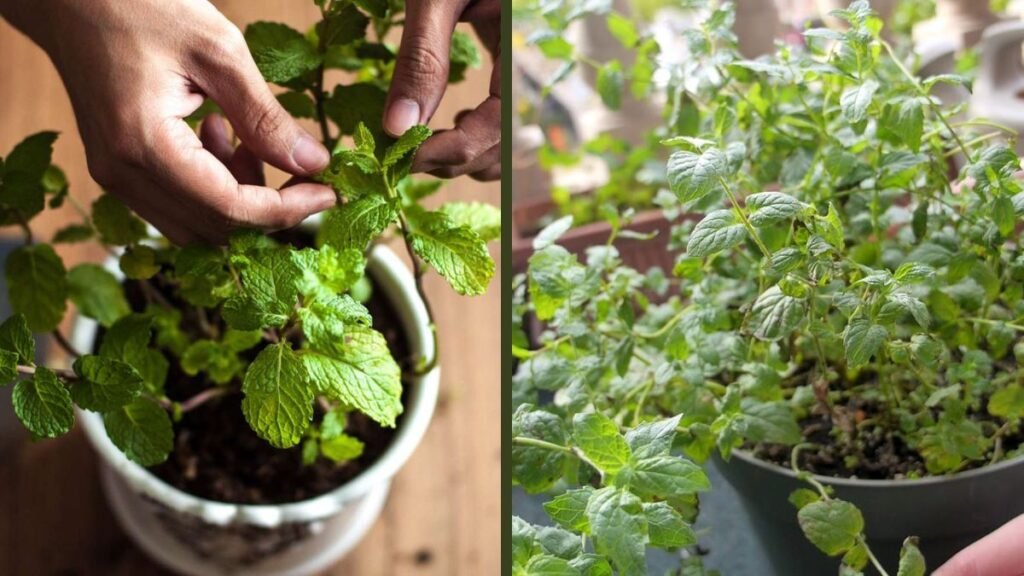
Regular pruning prevents mint from becoming leggy. Pinch off tips to encourage bushy growth. Remove older, yellow leaves to improve airflow. Pruning stimulates new leaf production and prevents flowering. Flowering can reduce leaf quality. Harvesting and pruning simultaneously maintain plant health. Proper pruning ensures year-round harvests. Pruned mint grows faster and stronger. Controlled growth enhances aroma.
Paragraph 12: Harvesting Mint Leaves
Harvest mint leaves once the plant has 6–8 pairs of leaves. Pick leaves from the top to encourage growth. Avoid harvesting more than one-third at a time. Frequent harvesting encourages new growth. Morning harvest retains maximum aroma and flavor. Leaves can be used fresh or dried. Proper harvesting improves plant longevity. Continuous harvesting ensures fresh leaves for cooking. Mint harvest is rewarding and frequent.
Paragraph 13: Pest and Disease Management
Mint is generally pest-resistant but may attract aphids, spider mites, or rust. Inspect plants regularly. Use neem oil or mild soap sprays for control. Remove affected leaves promptly. Maintain proper spacing and airflow. Avoid overhead watering to prevent fungal growth. Healthy plants resist most pests naturally. Early detection prevents spread. Sustainable pest management maintains organic growth.
Paragraph 14: Overwintering and Seasonal Care
In colder climates, protect mint during winter. Container plants can be moved indoors. Mulch outdoor plants to insulate roots. Reduce watering during dormancy. Trim back long stems before frost. Healthy mint resumes growth in spring. Proper seasonal care ensures survival. Overwintering maintains strong plants. Mint can thrive year-round with attention.
Paragraph 15: Drying and Preserving Mint
Mint leaves can be dried for long-term use. Hang stems upside down in a dark, ventilated area. Once dried, store leaves in airtight containers. Dried mint retains flavor for several months. Leaves can also be frozen in ice cubes with water. Proper preservation ensures availability during off-seasons. Fresh aroma is maintained. Dried mint is perfect for teas and cooking. Preserving extends utility and reduces waste.
Paragraph 16: Culinary and Medicinal Uses of Mint
Mint is used in teas, salads, sauces, desserts, and beverages. It soothes digestion and freshens breath. Traditional remedies use mint for headaches, colds, and minor aches. Culinary and medicinal uses maximize plant value. Home-grown mint ensures purity and aroma. Leaves can be infused or cooked. Fresh and dried forms have multiple applications. Mint is a versatile, multipurpose herb. Proper growth enhances utility.
Paragraph 17: Table – Mint Growing Checklist
Table: Mint Care Guidelines
Aspect | Recommended Practice
Light | Partial sun, four to six hours
Watering | Consistent, avoid waterlogging
Soil | Moist, well-draining, organic
Spacing | 12–18 inches
Propagation | Cuttings, seeds, or division
Harvest | Pick top leaves regularly
Paragraph 18: Indoor vs Outdoor Mint Gardening
Indoor mint allows control over light, temperature, and pests. Outdoor mint benefits from natural sunlight and airflow. Indoor gardening is ideal for apartments or limited space. Outdoor gardens yield larger plants. Both methods succeed with proper care. Containers can be moved between locations. Indoor requires occasional fertilization. Flexibility enhances productivity.
Paragraph 19: Teaching Kids and Beginners Gardening
Mint gardening is perfect for beginners and children. Fast growth encourages engagement. Simple planting and harvesting teach responsibility. Children learn sustainability and healthy eating habits. Gardening is a therapeutic, educational activity. Easy maintenance builds confidence. Mint’s rapid propagation ensures success. It is ideal for small-space learning gardens.

Paragraph 20: Conclusion
Growing mint at home is simple, rewarding, and sustainable. With proper planting, watering, and pruning, mint produces aromatic leaves year-round. Home-grown mint ensures freshness, flavor, and organic quality. Indoor or balcony gardening makes mint accessible to everyone. Continuous harvesting and care guarantee consistent supply. This herb is beginner-friendly and versatile. Start growing mint today and enjoy culinary and medicinal benefits all year.