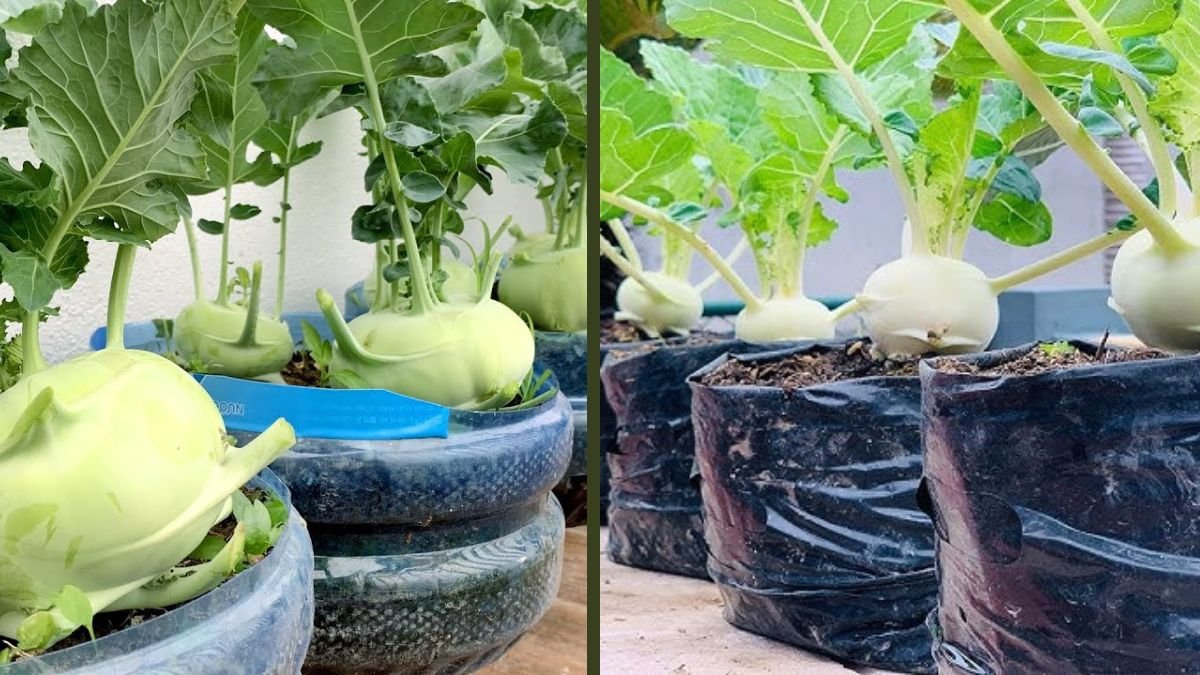
Introduction to Container Kohlrabi Gardening
Kohlrabi, a unique vegetable with a bulbous stem, is typically grown in open fields. Surprisingly, it can thrive even in tiny plastic pots. This makes it ideal for small terraces, balconies, or urban homes. Container gardening allows easy control of soil, water, and sunlight. Growing kohlrabi in a pot demonstrates that even limited space can yield impressive results. Beginners often doubt it, but careful technique ensures success. This article explains the complete method step by step.
Why Container Gardening for Kohlrabi Works
Containers allow control over water and nutrients. Tiny pots can produce healthy bulbs if soil and care are adequate. Roots remain aerated. Sunlight can be optimized. Container setup reduces pest and disease issues. Urban gardeners benefit from portability. Maintenance becomes easier. Creative container gardening ensures productivity.
Selecting the Right Plastic Pot
Choose a pot at least twelve to fifteen centimeters deep. Ensure drainage holes at the base. Plastic pots are lightweight and easy to move. Avoid overly small or flimsy containers. Ensure stability when placed in sunlight. Lightweight soil and drainage prevent waterlogging. Proper pot selection is essential. Size affects bulb development.

Soil Requirements for Kohlrabi
Use a fertile soil mix of garden soil, compost, and cocopeat. Ensure light and loose soil for root expansion. Avoid compact soil which restricts bulb growth. Slightly acidic to neutral pH works best. Fertile soil promotes leafy growth and bulb formation. Moisture retention is important but should not waterlog. Well-prepared soil ensures success. Balanced nutrition is critical.
Choosing Kohlrabi Seeds or Seedlings
Buy healthy seeds or seedlings from trusted sources. Use early-maturing varieties for small containers. Check for disease-free and strong seeds. Organic seeds are preferred. Quality seeds determine bulb size and growth rate. Avoid damaged or old seeds. Seed selection ensures higher germination rate. Healthy seeds reduce failures.
Latest Posts
- A Comprehensive Guide to Successfully Growing Grape Vines in Your Backyard for Beginners and Experts Alike
- Best Tips for Successful Mango Growth in Containers
- Discover the Simple Steps for Successfully Growing Coriander in a Pot
- Discovering the Ultimate Guide to Growing African Violets from Leaf Cuttings
- Simple Techniques for Successfully Growing Seedless Grapes in Home Gardens
- Ultimate Guide to Growing Balsam Plants Naturally for Vibrant Blooms
- Discover the Secrets to Growing Lush Leek Leaves with Simple Hacks for Beginners
- How to Successfully Cultivate Sweet Cherries in the Unique Climate of Canada
- The Ultimate Guide to Successfully Growing Beautiful Succulent Garden Plants at Home
- A Comprehensive Guide to Growing Dhania from Seeds for Beginners
Sowing Seeds in Small Pots
Sow seeds evenly in potting soil. Cover lightly with soil. Maintain proper spacing to prevent overcrowding. Water gently after sowing. Keep pot in partial shade until germination. Ensure soil remains damp but not wet. Sowing correctly promotes even growth. Early care impacts bulb quality.
Transplanting Seedlings
Once seedlings are 2–3 inches tall, thin them. Transplant carefully to maintain root integrity. Position in center of pot. Fill gaps with loose soil. Water lightly after transplanting. Avoid direct sunlight initially. Proper transplanting reduces stress. Healthy seedlings ensure better bulbs.
Watering and Moisture Control
Keep soil consistently moist. Avoid overwatering, which causes root rot. Water early in the day. Tiny pots dry quickly, so monitor moisture frequently. Use spray or gentle watering can. Proper moisture ensures steady growth. Balanced watering promotes bulb formation. Observation is key.
Sunlight Requirements
Kohlrabi needs 5–6 hours of sunlight daily. Partial shade works in hot regions. Rotate pots for even sunlight. Adequate light supports photosynthesis and bulb growth. Sunlight improves taste and texture. Container placement is critical. Ensure light reaches leaves fully. Light management increases yield.
Fertilizer and Nutrient Management
Feed with compost or organic fertilizers. Nitrogen encourages leafy growth initially. Later, phosphorus and potassium support bulb formation. Fertilize every two weeks for continuous growth. Avoid chemical overload in containers. Balanced nutrients enhance size and flavor. Container plants need consistent feeding. Fertilizer application ensures strong bulbs.
Pest and Disease Management
Monitor leaves for aphids or whiteflies. Remove infected leaves promptly. Container kohlrabi is less prone to soil pests. Use neem oil or mild organic sprays if necessary. Avoid waterlogging to prevent root rot. Proper hygiene reduces disease. Early intervention ensures healthy plants. Eco-friendly control is recommended.
Harvesting Kohlrabi from Tiny Pots
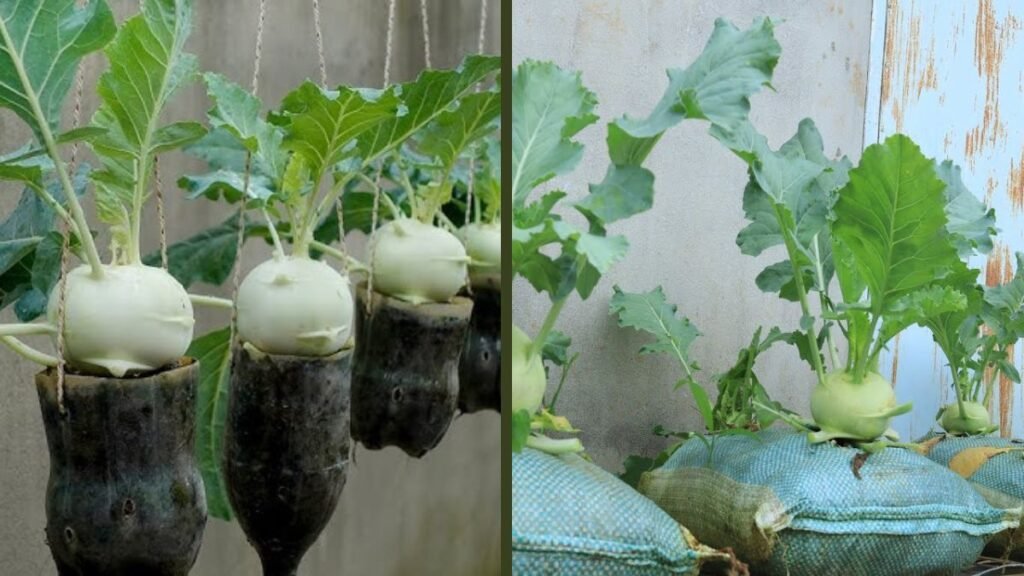
Bulbs are ready in 6–8 weeks. Harvest when firm and 5–7 centimeters in diameter. Avoid leaving too long, which makes bulbs woody. Use a knife or hand to gently detach bulbs. Regular harvest encourages new growth in leafy varieties. Container size limits bulb growth, so timely harvest is crucial. Fresh bulbs taste sweet and tender. Container-grown kohlrabi is surprisingly productive.
Advantages of Container Kohlrabi Gardening
Space-saving method. Suitable for urban homes. Portable and manageable. Reduced pest and disease risk. Easy watering and fertilizer management. Creative and low-cost solution. Encourages sustainable practices. Perfect for beginners.
Comparison: Field vs Tiny Pot Kohlrabi Gardening
| Aspect | Field Gardening | Tiny Pot Gardening |
|---|---|---|
| Space Requirement | Large | Small |
| Pest Control | Moderate | Easy |
| Watering | Variable | Easy to Monitor |
| Bulb Size | Large | Moderate |
| Urban Suitability | Low | High |
Creative Tips for Pot Gardening
Combine kohlrabi with companion plants like lettuce. Use small stakes for leaf support. Decorate pots for aesthetic appeal. Rotate pots for sunlight exposure. Use lightweight fertilizers for easy absorption. Experiment with different varieties. Container gardening boosts creativity. Small space can yield multiple crops.
Long-Term Care
Regular watering and fertilization. Remove yellow or dead leaves. Monitor pests. Rotate containers if needed. Thin overcrowded plants. Provide adequate sunlight. Maintain soil fertility. Consistent care ensures repeat harvests.

Troubleshooting Common Issues
Yellow leaves indicate nutrient deficiency. Wilting suggests water imbalance. Poor bulb growth due to small pots. Pest infestation reduces yield. Adjust soil, water, or light accordingly. Early detection prevents loss. Corrective measures improve success. Observation and patience are key.
Conclusion
Growing kohlrabi in a tiny plastic pot is truly unbelievable but achievable. With proper soil, watering, sunlight, and nutrition, small containers yield healthy bulbs. This method is ideal for urban gardeners or balcony growers. Container gardening allows creativity, sustainability, and fresh produce. Try growing kohlrabi in pots today and enjoy the surprise of successful harvest.