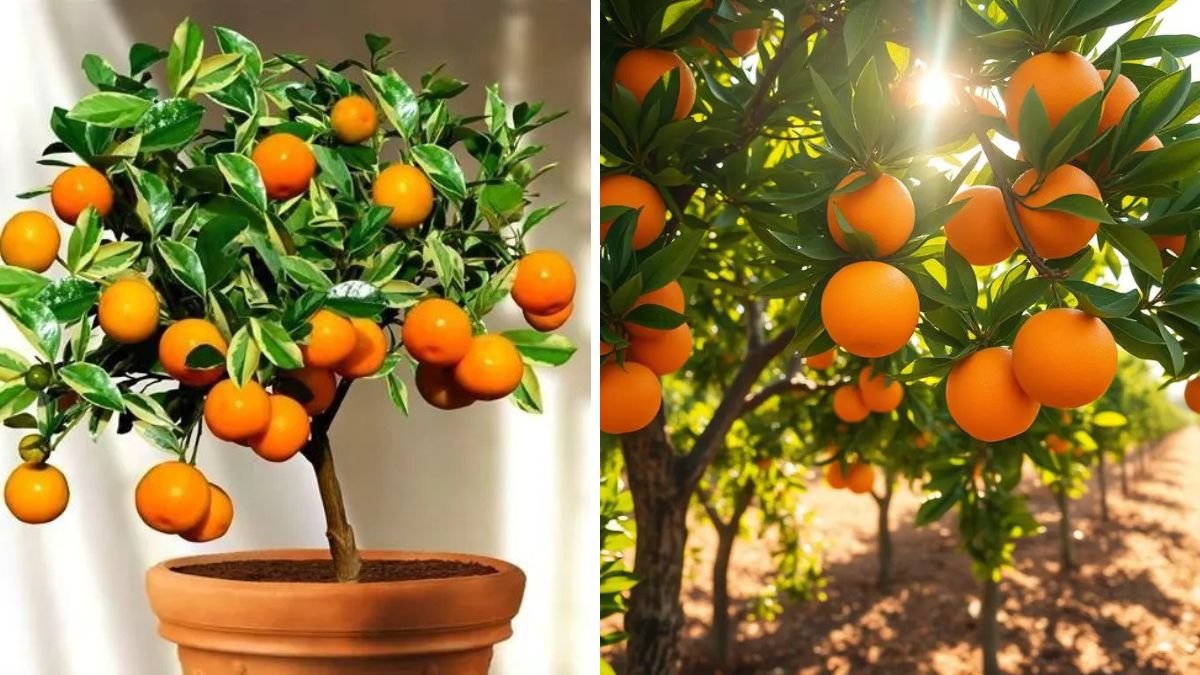
Introduction to Tangerine Tree Growing
Tangerine trees are popular citrus plants known for sweet, easy-to-peel fruits. Growing tangerines at home provides fresh, chemical-free produce. These trees adapt well to gardens, pots, and terraces. With proper care, tangerine trees can fruit for decades. They also add beauty and fragrance to the garden. Beginners often succeed due to their hardy nature. This guide explains everything step by step. Anyone can grow a healthy tangerine tree.
Understanding Tangerine Tree Varieties
Tangerines include varieties like Clementine, Dancy, and Murcott. Some varieties are seedless, while others have seeds. Climate suitability differs by variety. Dwarf varieties are ideal for containers. Choosing the right type improves fruiting success. Local nursery advice helps selection. Each variety has unique flavor traits. Understanding varieties ensures better planning.
Climate Requirements for Tangerine Trees
Tangerine trees thrive in warm subtropical climates. They prefer mild winters and warm summers. Frost can damage young trees. Temperatures between moderate ranges are ideal. Wind protection improves flowering. Adequate humidity supports growth. Sudden temperature changes cause stress. Climate awareness improves survival and yield.
Choosing the Right Location
Tangerine trees need full sunlight. At least six to eight hours of sun daily is essential. Avoid shaded or low-lying areas. Good air circulation reduces disease risk. Plant away from tall trees. Containers allow flexible placement. Location affects fruit sweetness. Proper placement ensures success.

Soil Preparation for Tangerine Trees
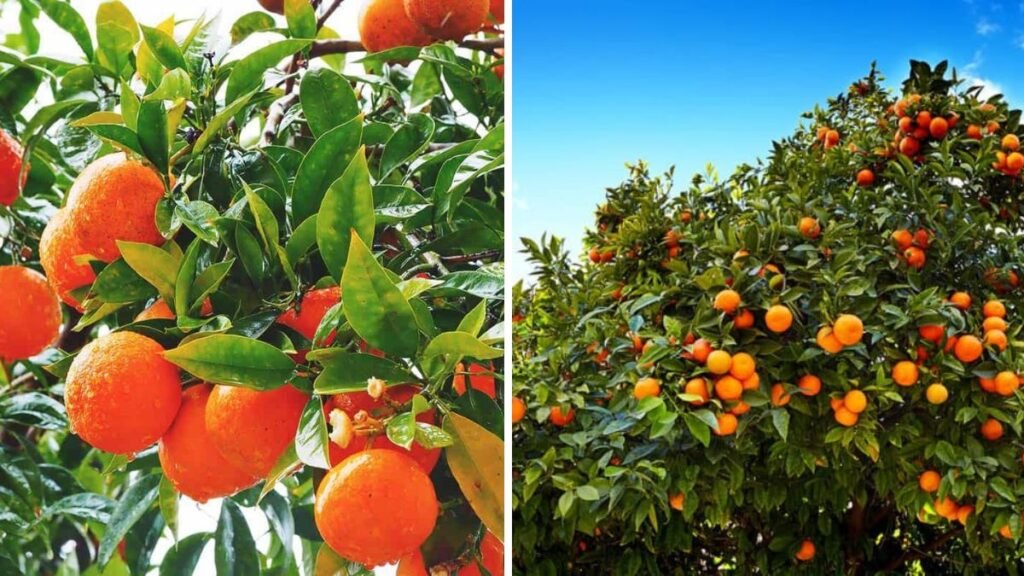
Well-drained soil is crucial for citrus trees. Sandy loam soil works best. Heavy clay soil should be amended. Compost improves fertility and structure. Slightly acidic soil is ideal. Good drainage prevents root rot. Healthy soil supports strong roots. Preparation before planting is essential.
Latest Posts
- A Comprehensive Guide to Successfully Growing Grape Vines in Your Backyard for Beginners and Experts Alike
- Best Tips for Successful Mango Growth in Containers
- Discover the Simple Steps for Successfully Growing Coriander in a Pot
- Discovering the Ultimate Guide to Growing African Violets from Leaf Cuttings
- Simple Techniques for Successfully Growing Seedless Grapes in Home Gardens
- Ultimate Guide to Growing Balsam Plants Naturally for Vibrant Blooms
- Discover the Secrets to Growing Lush Leek Leaves with Simple Hacks for Beginners
- How to Successfully Cultivate Sweet Cherries in the Unique Climate of Canada
- The Ultimate Guide to Successfully Growing Beautiful Succulent Garden Plants at Home
- A Comprehensive Guide to Growing Dhania from Seeds for Beginners
Selecting Healthy Tangerine Saplings
Choose disease-free saplings from trusted nurseries. Grafted plants fruit faster than seed-grown trees. Look for green leaves and strong stems. Avoid root-bound plants. Local varieties adapt better. Inspect roots before planting. Healthy saplings establish quickly. Strong plants ensure long-term yield.
Planting a Tangerine Tree
Dig a wide hole for planting. Place the tree at ground level. Spread roots gently. Fill with prepared soil. Press lightly to remove air pockets. Water thoroughly after planting. Avoid deep planting. Correct planting ensures stability.
Watering Tangerine Trees Properly
Young trees need frequent watering. Mature trees require deep watering. Soil should remain moist but not soggy. Overwatering causes root disease. Underwatering leads to fruit drop. Water early morning or evening. Mulching conserves moisture. Balanced watering improves fruit quality.
Sunlight Needs for Healthy Growth
Sunlight drives photosynthesis and fruit sweetness. Full sun exposure is ideal. Shaded trees produce fewer fruits. Morning sun is especially beneficial. Avoid planting near walls blocking light. Proper spacing ensures sunlight penetration. Leaves stay healthy with good light. Sunlight improves productivity.
Fertilizing Tangerine Trees
Use citrus-specific fertilizers. Nitrogen promotes leaf growth. Potassium enhances fruit quality. Apply fertilizer in split doses. Organic compost improves soil health. Avoid excessive fertilization. Feed during growing seasons. Balanced nutrition supports fruiting.
Pruning Tangerine Trees
Pruning improves airflow and shape. Remove dead or crossing branches. Avoid heavy pruning during fruiting. Prune after harvest season. Shape tree for sunlight penetration. Clean tools prevent disease spread. Proper pruning boosts yield. Regular maintenance is important.
Flowering and Pollination
Tangerine trees bloom in spring. Fragrant flowers attract pollinators. Some varieties are self-pollinating. Healthy flowers lead to fruit set. Stress reduces flowering. Avoid chemicals during bloom. Pollination affects yield. Good care ensures blooms.

Fruit Development Stages
After pollination, fruits develop slowly. Small green fruits enlarge gradually. Adequate water supports development. Nutrient balance improves sweetness. Fruit thinning may be necessary. Stress causes fruit drop. Monitoring ensures quality. Patience is essential.
Pest and Disease Management
Common pests include aphids and citrus leaf miners. Neem oil works organically. Good airflow reduces fungal disease. Remove infected leaves promptly. Avoid overhead watering. Healthy trees resist pests. Regular inspection helps. Prevention saves effort.
Growing Tangerines in Containers
Dwarf varieties suit containers well. Use large pots with drainage. Container trees need frequent watering. Fertilize more often than ground trees. Prune to control size. Containers allow terrace gardening. Mobility is an advantage. Container care requires consistency.
Harvesting Tangerines
Fruits are ready when fully colored. Taste test ensures sweetness. Harvest gently by cutting stems. Do not pull fruits. Regular harvesting improves yield. Handle fruits carefully. Fresh tangerines taste best. Proper timing matters.

Seasonal Care for Tangerine Trees
Increase watering in summer. Mulch during dry periods. Reduce feeding in winter. Protect young trees from frost. Seasonal adjustments prevent stress. Observe plant behavior. Timely care ensures longevity. Seasonal awareness improves results.
Table: Tangerine Tree Growing Guide
| Aspect | Requirement |
|---|---|
| Climate | Warm subtropical |
| Soil | Well-drained fertile soil |
| Sunlight | Full sunlight |
| Watering | Moderate and deep |
| Fruiting time | Two to three years |
Benefits of Growing Tangerine Trees
Fresh fruits are chemical free. Trees add garden beauty. Citrus fragrance enhances surroundings. Long-term fruit supply saves money. Gardening improves well-being. Tangerines are rich in vitamins. Trees support sustainability. Growing citrus is rewarding.
Conclusion
Growing tangerine trees at home is easy and fulfilling. With proper soil, sunlight, and care, anyone can succeed. Regular pruning and feeding improve yield. Though patience is needed, results are sweet. Homegrown tangerines taste superior. Start growing today. Enjoy fresh citrus for years.