Introduction to Growing Tangerine from Seed
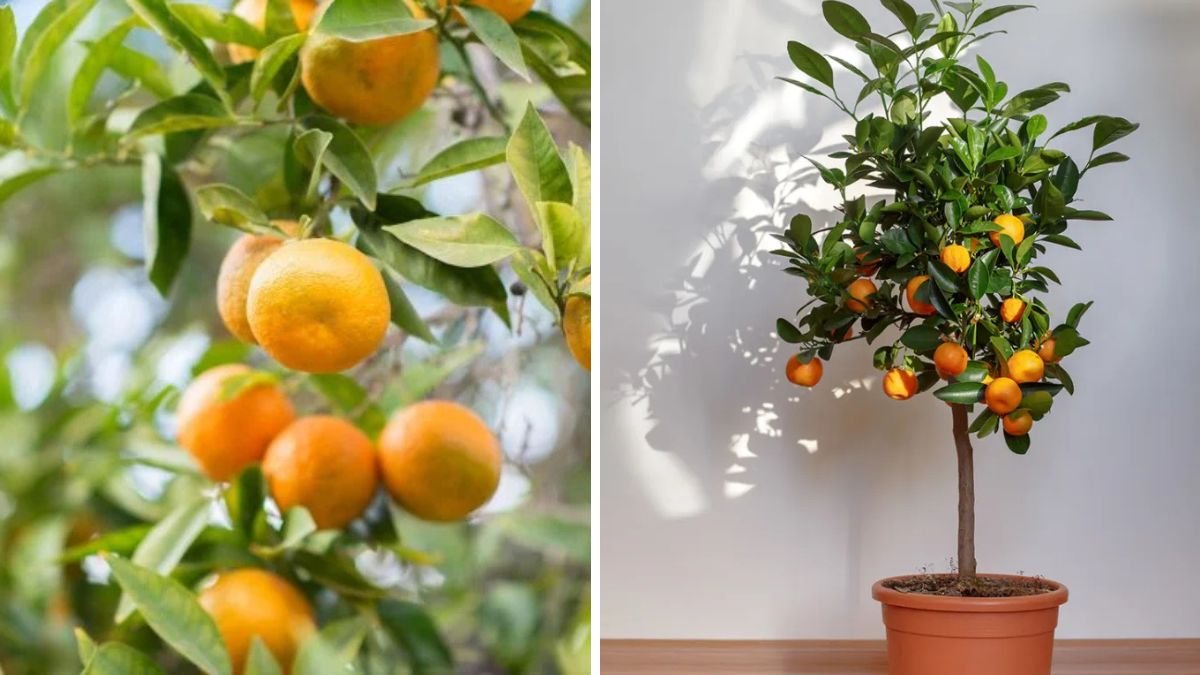
Growing tangerines from seed is an exciting experience. It allows gardeners to grow citrus from kitchen waste. Though seed-grown trees take longer to fruit, the process is educational. This method is budget friendly. Seed propagation teaches patience. Tangerine seeds germinate easily under proper conditions. This guide explains the process clearly. Beginners can follow along easily.
Understanding Tangerine Seeds
Tangerine seeds are found inside ripe fruits. Fresh seeds germinate better than dried ones. Seeds lose viability quickly. Use seeds from healthy fruits. Clean seeds thoroughly before planting. Seed quality affects growth. Multiple seeds increase success. Understanding seed behavior helps germination.
Selecting Ripe Tangerines for Seeds
Choose fully ripe tangerines. Avoid fruits treated with chemicals. Organic fruits are preferable. Healthy fruits contain viable seeds. Remove seeds gently. Use several fruits if possible. Good selection improves results. Seed source matters.
Cleaning and Preparing Seeds
Wash seeds to remove pulp. Dry briefly in shade. Do not let seeds dry completely. Fresh planting improves success. Avoid damaging seed coat. Clean seeds prevent fungal growth. Handle gently. Preparation is simple but important.

Optional Seed Germination Methods
Seeds can be planted directly or pre-sprouted. Paper towel method speeds germination. Keep towel moist and warm. Sprouts appear within weeks. Direct planting is also effective. Both methods work well. Choose preferred method. Consistency matters.
Latest Posts
- A Comprehensive Guide to Successfully Growing Grape Vines in Your Backyard for Beginners and Experts Alike
- Best Tips for Successful Mango Growth in Containers
- Discover the Simple Steps for Successfully Growing Coriander in a Pot
- Discovering the Ultimate Guide to Growing African Violets from Leaf Cuttings
- Simple Techniques for Successfully Growing Seedless Grapes in Home Gardens
- Ultimate Guide to Growing Balsam Plants Naturally for Vibrant Blooms
- Discover the Secrets to Growing Lush Leek Leaves with Simple Hacks for Beginners
- How to Successfully Cultivate Sweet Cherries in the Unique Climate of Canada
- The Ultimate Guide to Successfully Growing Beautiful Succulent Garden Plants at Home
- A Comprehensive Guide to Growing Dhania from Seeds for Beginners
Soil Preparation for Seed Planting
Use light, well-drained soil. Mix compost with sand or coco peat. Avoid heavy soil mixes. Slightly acidic soil works best. Sterile soil reduces disease risk. Good drainage prevents rot. Soil quality affects seedlings. Preparation improves success.
Planting Tangerine Seeds
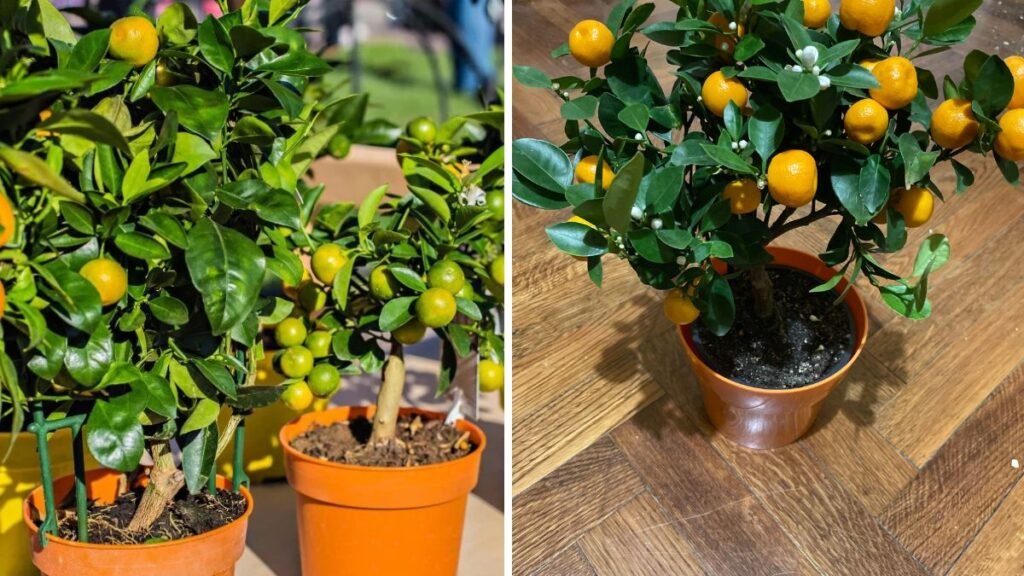
Plant seeds about one inch deep. Place horizontally. Cover lightly with soil. Water gently after planting. Use pots with drainage holes. Keep soil moist. Warm temperature supports sprouting. Proper planting ensures growth.
Germination Timeline
Seeds germinate in two to four weeks. Warm conditions speed growth. Some seeds take longer. Keep soil consistently moist. Avoid disturbing soil. First leaves indicate success. Patience is essential. Germination varies naturally.
Sunlight Needs After Sprouting
Seedlings prefer bright indirect light. Avoid harsh sunlight initially. Gradually increase exposure. Morning sunlight strengthens plants. Adequate light prevents weak growth. Indoor seedlings need window light. Balanced lighting improves health.
Watering Young Seedlings
Water lightly and regularly. Avoid waterlogging. Check soil moisture before watering. Overwatering causes root rot. Underwatering slows growth. Gentle watering protects roots. Consistency is key. Balanced moisture supports development.
Fertilizing Seed-Grown Tangerines
Apply diluted compost after establishment. Avoid strong fertilizers early. Feed lightly every few weeks. Organic nutrition is safer. Excess fertilizer harms seedlings. Balanced feeding supports growth. Healthy nutrition builds strength.
Transplanting Seedlings
Transplant when seedlings grow stronger. Use larger pots. Handle roots carefully. Water after transplanting. Partial shade helps recovery. Fresh soil boosts growth. Proper transplanting reduces shock. Growth resumes steadily.
Pruning Seed-Grown Tangerine Plants
Minimal pruning is needed early. Remove weak shoots. Encourage straight growth. Avoid heavy pruning. Pruning shapes future tree. Proper structure supports fruiting. Early care matters. Gentle pruning is sufficient.
Growing Seed-Grown Trees in Containers
Containers are ideal for early growth. They allow movement and control. Ensure proper drainage. Water frequently. Fertilize lightly. Prune to manage size. Containers suit small spaces. Care must be consistent.
When Seed-Grown Tangerines Fruit
Seed-grown trees take longer to fruit. Fruiting may take five to seven years. Flowers appear after maturity. Fruits may vary from parent. Patience is required. Care influences fruit quality. Healthy trees fruit better.
Pest and Disease Management
Seedlings are vulnerable initially. Monitor regularly. Neem oil works well. Avoid overwatering. Good airflow reduces disease. Remove affected leaves promptly. Healthy plants resist pests. Prevention is important.

Seasonal Care for Seed-Grown Plants
Adjust watering by season. Protect from frost. Reduce feeding in winter. Increase care during growth periods. Seasonal care prevents stress. Observe plant signals. Timely care ensures survival. Adaptation is key.
Table: Growing Tangerine from Seed Guide
| Stage | Requirement |
|---|---|
| Seed source | Fresh ripe fruit |
| Soil | Light and well-drained |
| Germination time | Two to four weeks |
| Sunlight | Bright indirect to full |
| Fruiting time | Five to seven years |
Benefits of Growing Tangerines from Seed
Low cost propagation. Educational experience. Strong root systems develop. Trees adapt to local climate. Gardening builds patience. Sustainable gardening practice. Satisfaction is high. Learning is continuous.
Conclusion
Growing tangerines from seed is simple and rewarding. With proper care, seeds germinate easily. Though fruiting takes time, the experience is valuable. Seed-grown trees grow strong. Home gardeners can succeed. Start with fresh seeds. Enjoy the journey from seed to citrus tree.